
Vandaag of morgen in huis

Kwaliteit gegarandeerd

Welkomstaanbiedingen ontgrendelen: GRATIS bezorging | Tot 80% korting | Gratis 30 dagen JoyPlus-proefperiode
Download de app
Korean facial sunscreen is known for its lightweight textures, fresh finish and formulas that work well under make-up. However, not every Korean sunscreen is automatically suitable for your skin or daily routine. A high SPF on the packaging says little, for example, about how comfortable a product feels, how often you reapply it or whether its ingredients suit you.
With this practical guide, you can compare SPF50 sun protection, texture, ingredients and ease of use without relying solely on marketing claims.
SPF50 or SPF50+ mainly refers to protection against UVB radiation. For UVA protection, Korean products often use the PA+++ or PA++++ rating. This PA classification is not the same as the European UVA marking. When buying a product in the Netherlands, also check the European product information, instructions for use and details of the responsible market participant.
A high factor only works as intended when you apply enough product and reapply regularly.
A gel, essence or serum texture can feel pleasant on oily or combination skin. Dry skin may feel more comfortable with glycerine, hyaluronic acid, rice extract or other hydrating ingredients. Alcohol, fragrance and essential oils may also be less suitable for some users, particularly if their skin reacts easily.
So read the ingredients list rather than relying solely on words such as “calming”, “glow” or “matte”.
A white cast is more common with mineral filters such as zinc oxide and titanium dioxide, but how visible it is also depends on the amount applied, the formula and your skin tone. A chemical or hybrid sunscreen may apply more transparently, but that does not automatically mean it will feel comfortable for everyone.
First apply a small amount along your jawline. Look out for streaks, stickiness, pilling and how the sunscreen works with your moisturiser or make-up.
For daily use on the face, many consumers choose SPF50 facial sunscreen. Alongside SPF, check the stated UVA protection. The products in this selection use different types of UV filters:
Always check the current packaging. Product information, ingredients and claims may vary between versions.
Choose a texture that you can easily reapply. A lightweight essence or watery serum often works well as sunscreen under make-up. A cream with more nourishing ingredients may feel more comfortable on dry skin, but can feel shinier on oily skin.
Pay particular attention to:
For a hydrating sunscreen, glycerine, sodium hyaluronate, hyaluronic acid and panthenol are some of the relevant ingredients to look for. Centella asiatica is often used in formulas designed to provide a comfortable, caring feel on the skin. According to brands’ own information, such ingredients may have a soothing or hydrating role; this is not a medical effect and varies from person to person.
If you are looking for vegan sunscreen, check the product details and packaging carefully. A vegan claim does not automatically apply to every product from the same brand.
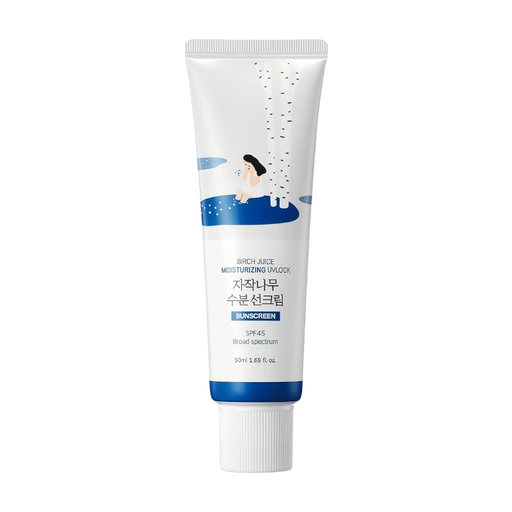
Why it suits this profile: The ingredients list includes glycerine, sodium hyaluronate, hydrolysed hyaluronic acid and niacinamide, among others. This makes it a logical option for anyone looking for a caring daily product.
The product information describes a routine-focused application as the final step in your skincare routine. Before buying, check the SPF and UVA information on the current packaging.
50 ml; several hydrating ingredients; contains chemical UV filters according to the product description.
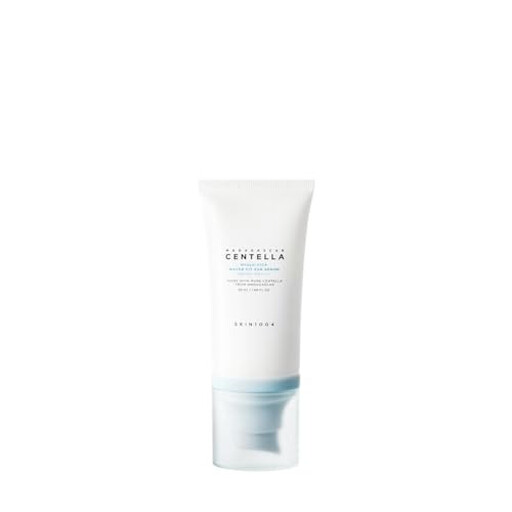
Why it suits this profile: The serum texture is designed for users looking for a fast-absorbing Korean sunscreen that feels light on the skin.
According to the product description, the formula absorbs quickly and leaves no sticky feeling or white film. Test how it works with your own make-up.
50 ml; stated SPF50+ and PA+++; Hyalu-Cica formula with Centella and hydrating ingredients according to the product information.
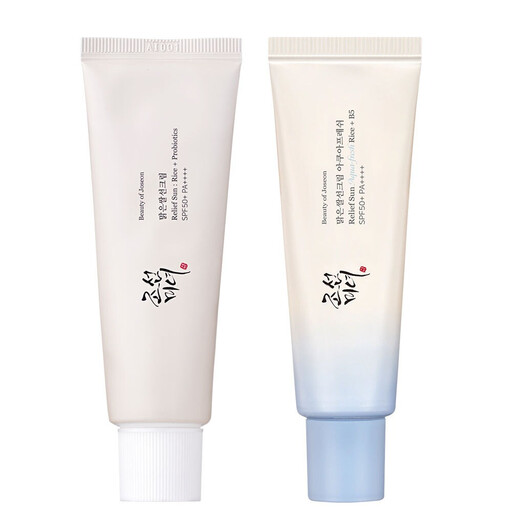
Why it suits this profile: A duo set is ideal for users who want to apply plenty of product every day and keep an extra tube in their bag, at work or on holiday.
The set contains two versions: Relief Sun Rice + Probiotics and Relief Sun Aqua-Fresh Rice + B5. This lets you choose a richer or lighter texture depending on your routine.
Two 50 ml tubes; rice extract or rice water and panthenol according to the product information; designed for daily use.
We have put together a complete, up-to-date list of products that fully meet these strict selection criteria and the applicable European safety regulations.
Apply sunscreen as the final step in your skincare routine, before make-up. Use enough product for your face, ears and neck. The exact amount varies by product, but a commonly used practical method is to apply a generous line along two fingers for your face and neck combined.
Preferably, apply the product 15 to 30 minutes before exposure when this is stated on the packaging. Reapply after spending a long time outdoors, sweating, swimming or drying yourself. No formula remains in place indefinitely after just one application.
If your skin is sensitive or prone to redness, a patch test is advisable. Stop using the product if you experience itching, swelling, redness or a burning sensation, and consult a doctor or dermatologist if symptoms persist. Avoid contact with the eyes.
That depends on the full ingredients list and how your skin reacts. If necessary, choose a fragrance-free formula and be cautious with denatured alcohol and essential oils. For example, the Beauty of Joseon product information states that certain versions are fragrance-free and alcohol-free, while the Centella Sun Cream lists lavender oil, linalool and geraniol. Always check the packaging of the exact version.
Check the expiry date and batch number on the packaging. Store the tube in a cool, dry place away from direct sunlight and high temperatures. It is best not to use an opened tube if it smells different, has changed colour or its texture has altered.
Yes, many lightweight lotions, essences and serums are designed for this or are described in those terms. Allow the sunscreen to spread and absorb properly first. Then apply make-up in thin layers to help prevent pilling or patchiness. If in doubt, test the combination with your primer and foundation on a small area of skin.
