
Vandaag of morgen in huis

Kwaliteit gegarandeerd

Welkomstaanbiedingen ontgrendelen: GRATIS bezorging | Tot 80% korting | Gratis 30 dagen JoyPlus-proefperiode
Download de app
Korean facial sunscreens are known for their lightweight textures, hydrating ingredients and finishes that work well under make-up. However, not every Korean sunscreen is automatically suitable for your skin or everyday use in the Netherlands. A high SPF on the packaging does not tell you everything about comfort, ingredients, reapplication or how the product behaves.
With this practical guide, you can avoid spending money on a sunscreen that feels too greasy, stings around the eyes or leaves a visible cast.
SPF mainly refers to protection against UVB radiation. UVA protection is also important for everyday UV protection. So check whether the product mentions both UVA and UVB. For products intended for the European market, you can also look for the UVA logo inside a circle.
An SPF50+ rating is not a reason to use less product or skip reapplication. The level of protection also depends on how much you apply.
A serum-like texture may feel comfortable on dry or normal skin, but can still leave oily skin looking shiny. Conversely, a mattifying sunscreen may feel tight when your skin lacks moisture. So do not just look for words such as “water-fit”, “gel” or “moisturising”; check the full product description and ingredients list too.
Mineral filters such as zinc oxide can cause a white cast, particularly on darker skin tones or when generously applied. Some products also contain tinting or tone-up pigments. These may visually neutralise redness, but can also make your natural complexion look lighter. “No white cast” is a product claim; the final effect varies depending on your skin tone and how much you apply.
For everyday use on the face, many consumers choose SPF50 sunscreen. An SPF30 product may also be suitable for short periods of daily exposure, but focus on your own routine: if you cycle frequently, work outdoors or sit close to a window, applying regularly is particularly important.
Also check the directions for use. Many product descriptions recommend reapplying every two hours and repeating immediately after swimming, sweating or drying yourself. Not every product is water-resistant.
Chemical UV filters absorb UV radiation, while mineral filters such as zinc oxide act as physical UV filters. The choice is personal. Sensitive skin can react to either type. So check the ingredients list for fragrance, alcohol, essential oils and known allergens.
For example, according to the stated ingredients list, the Centella Sun Cream contains denatured alcohol, lavender oil, linalool and geraniol. If you have reacted sensitively to any of these before, it may be best to test a small amount first.
A lightweight sunscreen without a white cast is often practical for commuting and wearing with make-up. A gel or sun serum will generally absorb quickly, while a richer cream may feel more comfortable on dry skin. Apply sunscreen as the final step in your skincare routine and allow the layers to absorb briefly before applying make-up.
Ingredients such as glycerine, hyaluronic acid, rice extract, panthenol or centella are often added to provide a hydrating or comfortable skin feel. This does not automatically mean they work in the same way for everyone. According to the brands’ own product information, these ingredients are intended to hydrate or provide a soothing skin feel; this is not a medical effect.
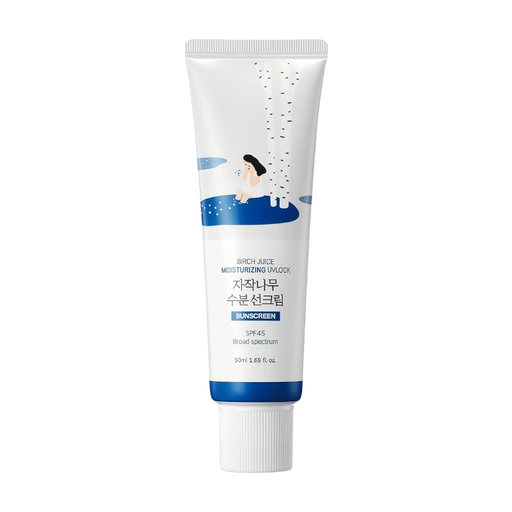
Why it suits this profile: An everyday facial sunscreen with SPF50 and several hydrating ingredients, including glycerine and different forms of hyaluronic acid.
The product information mentions chemical UV filters and recommends reapplication. Before buying, check the current packaging and consider your skin’s tolerance.
50 ml; SPF50; glycerine, niacinamide and hyaluronic acid in the stated ingredients list.

Why it suits this profile: According to the product information, this cream is lightweight, fragrance-free and designed for everyday use with rice extract and fermented extracts.
The stated specifications mention no white cast and a lightweight texture, but still test the finish on your skin tone and with your usual make-up.
50 ml; SPF50+; fragrance-free according to the product details; rice extract listed at 30%.
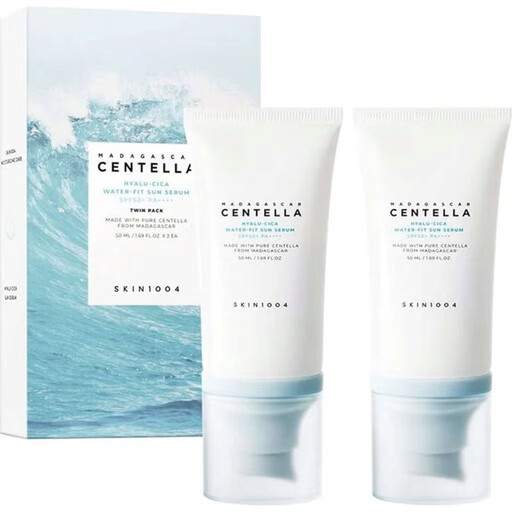
Why it suits this profile: The twin pack contains two 50 ml bottles. According to the product description, the formula is suitable for several skin types and is vegan, cruelty-free and hydrating.
The serum texture is intended for users looking for a lightweight layer. Check the SPF, PA rating and ingredients on the packaging before ordering.
Two 50 ml bottles; Hyalu-Cica formula according to the product description; suitable for different skin types.
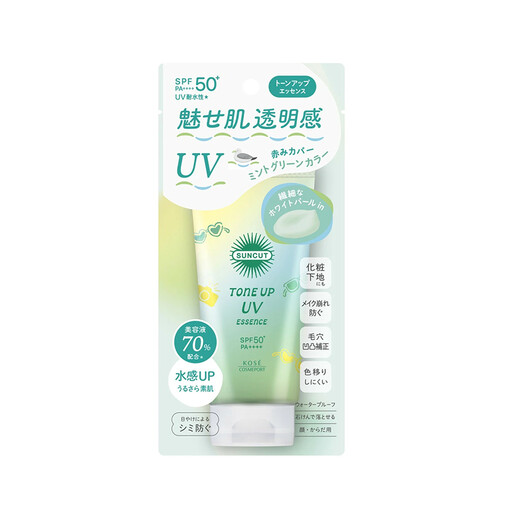
Why it suits this profile: The product description mentions a lightweight, tinted cream that can be used as a make-up base and is intended for skin that tends to look red.
The tint may reduce the need for additional colour correction. According to Kose’s own product information, the formula helps to visually neutralise visible redness; check the shade against your skin.
80 g; tinted texture; according to the description, suitable as a base under make-up.
We have put together a complete, up-to-date list of products that fully meet these strict selection criteria and the applicable European safety regulations.
A vegan sunscreen or fragrance-free formula may suit your personal preferences, but always check the current packaging. Product information and formulations may vary by version or market.
It varies from one formula and person to another. Look at the fragrance, alcohol, essential oils and UV filters. A product described as suitable for sensitive skin is no guarantee that everyone will tolerate it without problems. A patch test is still advisable.
Yes, many lightweight formulas are designed for this. Allow your skincare to absorb first, then apply the sunscreen evenly. A tinted cream, such as the Kose Sunscreen Isolation Cream, can also be used as a make-up base according to the product description.
Follow the expiry information and the open-jar symbol on the packaging. Store the tube in a cool, dry place away from direct sunlight and high temperatures. Changes in smell, colour or texture are reasons to stop using the product. Reapplying regularly is more important than keeping a tube for as long as possible.
