
Vandaag of morgen in huis

Kwaliteit gegarandeerd

Welkomstaanbiedingen ontgrendelen: GRATIS bezorging | Tot 80% korting | Gratis 30 dagen JoyPlus-proefperiode
Download de app
A serum can complement your skincare routine in a targeted way, but not every K-beauty serum suits every skin type. If you only go by terms such as “glow”, “glass skin” or a long ingredients list, you can easily end up buying a product that is too strong, too sticky or simply unnecessary.
When choosing Korean facial serums, three pitfalls are particularly important:
Decide on one main reason for buying a serum. This makes comparing products easier.
An ingredients list shows which substances are present in a product, but not always their exact concentrations. Where percentages are stated, they can be useful for comparison. For example, according to the product information, ANUA Niacinamide 10% + TXA 4% Serum contains 10% niacinamide and 4% tranexamic acid.
Do not combine several strong serums in the same routine straight away. For example, do not use a retinol serum, an acid and a highly concentrated vitamin C serum at the same time if your skin is not yet used to them. Test a new product on a small area of skin first and follow the instructions on the label.
A watery formula feels comfortable on oily or combination skin, while a slightly richer texture may be better suited to dry skin. Also check the volume: 30 ml is common for an active serum, while some hydrating essences contain 100 ml or more.
When your order arrives, check the expiry date, batch information and period after opening on the packaging. Store a serum in a cool place away from direct sunlight when indicated on the label. If the smell, colour or texture changes, or the product starts to sting, stop using it.
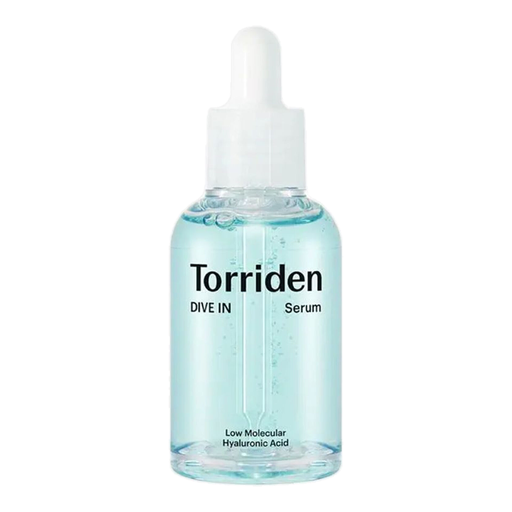
Why it suits this profile: This option focuses clearly on hydration and, according to the product information, contains five types of hyaluronic acid, plus panthenol, ceramide NP and beta-glucan.
The product information states that the formula is fragrance-free. This can help shoppers who deliberately want to avoid fragrances, although a patch test is still advisable.
50 ml volume; several forms of hyaluronic acid; fragrance-free according to the product description.
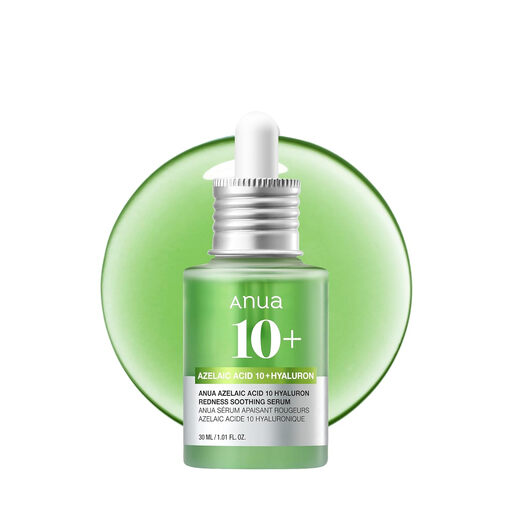
Why it suits this profile: This serum is aimed at users who want to incorporate azelaic acid into a routine focused on redness, an uneven complexion or troubled skin.
The directions advise starting with 1 to 2 drops, once or twice a week. This helps prevent you from using too much product straight away.
10% azelaic acid; contains panthenol, beta-glucan, centella and ceramide NP; the product information includes a gradual introduction schedule.
We have put together a complete, up-to-date list of products that fully meet these strict selection criteria and the applicable European safety regulations.
Do not automatically use a vitamin C serum, retinol serum or acid together with other active formulas. If you have sensitive skin, gradually building up usage is usually more practical than starting daily.
Look for glycerine, panthenol, beta-glucan, ceramides and hyaluronic acid. A facial serum for all skin types may also be suitable, but check the texture and follow with a moisturiser.
This depends on the formula. According to the label, a simple hydrating serum can often be used in the morning and evening. With highly concentrated niacinamide, azelaic acid, retinol or vitamin C, it is advisable to start a few times a week.
Check the expiry date and period-after-opening symbol on the packaging. Keep the product tightly closed and away from direct sunlight. Stop using it if there is a noticeable change in smell, colour or texture, or if irritation develops.
