
Vandaag of morgen in huis

Kwaliteit gegarandeerd

Welkomstaanbiedingen ontgrendelen: GRATIS bezorging | Tot 80% korting | Gratis 30 dagen JoyPlus-proefperiode
Download de app
Korean face serums vary widely in texture, ingredients and usage instructions. A lightweight hyaluronic acid serum serves a different purpose from an azelaic acid serum for blemish-prone skin. Yet packaging often features broad promises such as a “glow”, a firmer-looking appearance or intense hydration.
Anyone who relies solely on these claims may buy a serum that is not right for their skin. Pay particular attention to the ingredients list, the concentration of active ingredients and the usage instructions. Below, you can read about common pitfalls and how to make the right choice for your daily Korean skincare routine.
A formula containing numerous extracts may sound appealing, but it makes it harder to determine which ingredient is the main focus. So, look at the first ingredients in the INCI list and at ingredients that match your goal:
The presence of an ingredient does not guarantee a particular result. According to a brand’s own research, ingredients may offer specific benefits, but you should distinguish this information from objectively verifiable product specifications.
A 10% azelaic acid serum may be appealing to people who are already familiar with this ingredient, but sensitive skin may benefit from introducing it gradually. A serum containing several active ingredients may also cause stinging or dryness more quickly.
When trying a new product, start with a small amount and do not use it every morning and evening straight away. Performing a patch test on a small area of skin is advisable. Stop using the product if you experience persistent redness, itching, swelling or a burning sensation, and seek advice from a doctor or dermatologist if necessary.
A hyaluronic acid serum attracts moisture, but a serum alone does not always replace a moisturiser. Apply a cream after your serum that feels comfortable on your skin type. During the day, also use sun protection, particularly when using an active formula.
First, decide which concern you want to address. For a serum for dry skin, humectants such as glycerine, beta-glucan and different forms of hyaluronic acid are logical ingredients to look for. If you are mainly looking for a serum for redness, you may want to consider centella, panthenol and allantoin.
For a serum for blemish-prone skin, azelaic acid is a popular option. Check whether the formula also contains hydrating ingredients and whether the brand recommends a gradual introduction schedule. An anti-ageing serum usually focuses on the visible appearance of fine lines, suppleness or a plumper look. These are cosmetic goals, not medical claims.
Check:
A larger size is only cost-effective if you use the product within its shelf life. After all, a formula used only a few times a week will last longer than a serum used daily.
A watery serum often feels comfortable beneath a cream and sun protection. A richer formula may be better suited to dry skin, but can feel heavy on oily or combination skin. Do not introduce several new active serums at the same time. Otherwise, you will not know which product has caused a reaction.
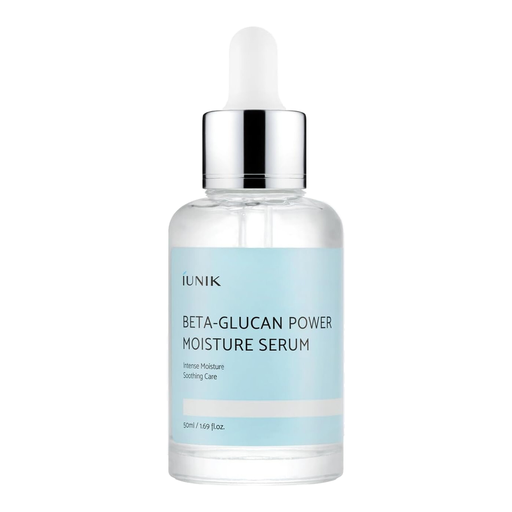
Why it suits this profile: Its simple focus on moisture makes it a practical introduction for anyone without an extensive Korean skincare routine.
The product description focuses on beta-glucan and moisture care rather than a long list of targeted active ingredients.
50 ml contents and a moisture-focused formula with beta-glucan, according to the product information.
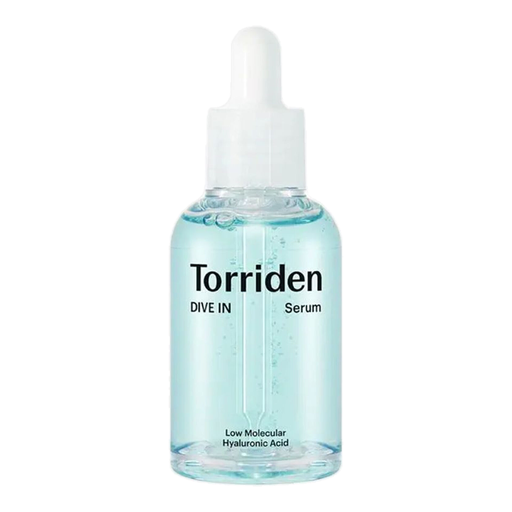
Why it suits this profile: Suitable for anyone looking for a hydrating face serum with several supporting ingredients.
The description mentions five forms of hyaluronic acid, as well as panthenol, ceramide NP and beta-glucan.
50 ml and, according to the product description, fragrance-free and suitable for daily use in the morning and evening.
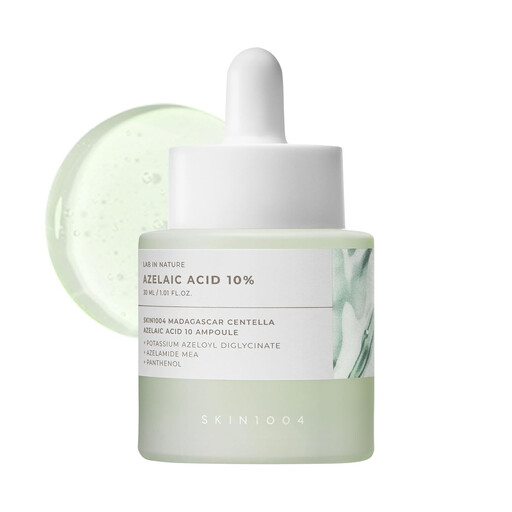
Why it suits this profile: A targeted option for anyone wanting to add a serum for blemishes or visible redness to their routine.
According to the product description, the formula is niacinamide-free and the usage advice recommends introducing it gradually.
10% azelaic acid and centella asiatica; 30 ml contents and advice to use sun protection during the day.
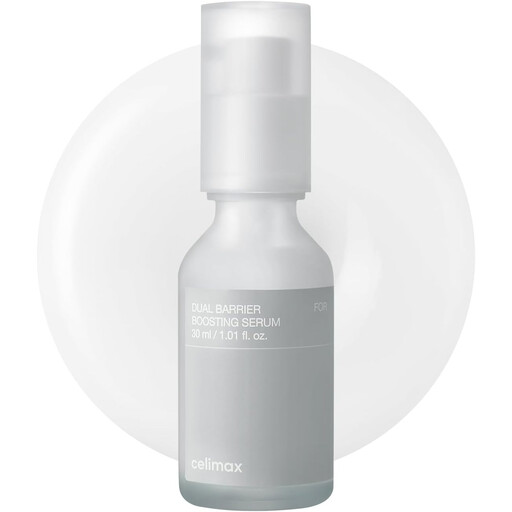
Why it suits this profile: Ideal for users primarily looking for comfort, moisture and a simple barrier-focused routine.
The product description mentions five ceramides and does not focus on layering exfoliating active ingredients.
Developed for dry and sensitive skin according to the product information; contains an Aquatide Ceramide Complex.
We have put together a complete, up-to-date list of products that fully meet these strict selection criteria and the applicable European safety regulations.
First, cleanse your face and apply toner if desired. Then apply a few drops of serum to your skin. Gently pat in the product and finish with a moisturiser. Use sun protection during the day. With an active serum, such as an azelaic acid serum, it is best to start by using it a few times a week.
This depends on the contents, dosage and frequency of use. A 30 ml bottle will usually last for less time with daily use than a 50 ml bottle. After opening, check the packaging and store the serum according to the instructions, away from direct sunlight and heat.
Sometimes, but introduce new products one at a time. Do not combine several highly active formulas straight away. A hydrating face serum with hyaluronic acid or beta-glucan is generally easier to combine with a targeted serum. Stop using the products if irritation occurs and always check the current ingredients list on the packaging.
