
Vandaag of morgen in huis

Kwaliteit gegarandeerd

Welkomstaanbiedingen ontgrendelen: GRATIS bezorging | Tot 80% korting | Gratis 30 dagen JoyPlus-proefperiode
Download de app
A sheet mask may seem like a straightforward purchase: choose attractive packaging, place the mask on your face and wait a few minutes. However, Korean face masks can vary significantly in material, ingredients, wear time and price per treatment. A cheap mask may therefore offer less value if it fits poorly, dries out quickly or contains ingredients your skin does not tolerate well.
This guide helps you separate marketing claims from verifiable product information. That way, you can make a more informed choice between a hydrating face mask, hydrogel face mask, collagen mask or Centella face mask.
Brands often use terms such as “glow”, “glass skin”, “barrier support” or “anti-ageing”. These are not guarantees of a particular result. Instead, check the INCI list and decide whether the formula suits your goal.
A brand’s own research may have identified certain effects under specific conditions. This does not automatically mean that every user will experience the same result.
A product description may say that a mask is suitable for all skin types or sensitive skin. Even so, always check the ingredients. Essential oils, fragrance or certain plant extracts may not suit everyone.
If you have reactive skin, carry out a patch test on your wrist or behind your ear first. Stop using the product if you experience redness, itching, a burning sensation or swelling. Do not use a mask on damaged, irritated or infected skin. If symptoms persist, it is advisable to seek advice from a doctor or dermatologist.
A classic sheet mask is usually worn for around 10 to 20 minutes. Some hydrogel masks, however, are designed to remain in place for 2 to 3 hours, or until the material becomes transparent. Leaving a mask on for longer than stated on the packaging does not automatically provide more skincare benefits.
Also consider the pack size:
A sheet mask is usually made from a fibre material soaked in essence. It is lightweight, quick to apply and suitable for a short skincare routine. A hydrogel face mask has a gel-like texture that often moulds closely to the contours of the face. This can be convenient if you want to move around while wearing it, although the fit is still a personal matter.
Check whether the mask consists of one or two pieces. A two-piece mask may be easier to position around the nose, chin and jawline. Also look at the cut-outs for the eyes and mouth, as well as the amount of essence, such as 23 ml, 25 ml or 34 g per mask.
For dry skin, combinations containing glycerine, hyaluronic acid, ceramides and panthenol are practical points to consider. If you are mainly looking for a comfortable, soothing feel, you could look for a Centella face mask containing Centella asiatica or fermented Centella.
Glow masks often mention niacinamide, tranexamic acid or vitamin C derivatives. These ingredients may form part of a skincare routine for a dull-looking complexion. Do not expect guaranteed treatment of pigmentation and use a sunscreen suitable for your skin during the day.
Read the product information before buying and store unopened masks in a cool, dry place away from direct sunlight. A sheet mask is generally for single use. Do not share or reuse the mask, as this may affect hygiene and the quality of the formula.
Always follow the instructions on the packaging. A mask with a wear time of 5 to 10 minutes is better suited to a busy morning than an intensive treatment that needs to remain in place for 3 to 4 hours.
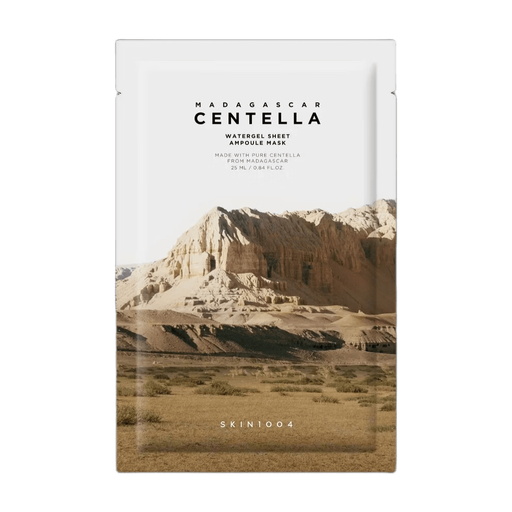
Why it suits this profile: One 25 ml sheet offers an accessible way to try a Centella face mask first.
The ingredients list is available, allowing you to check Centella asiatica, glycerine and several forms of hyaluronic acid, among other ingredients.
25 ml essence; wear time according to the product information: 10–20 minutes; single use.
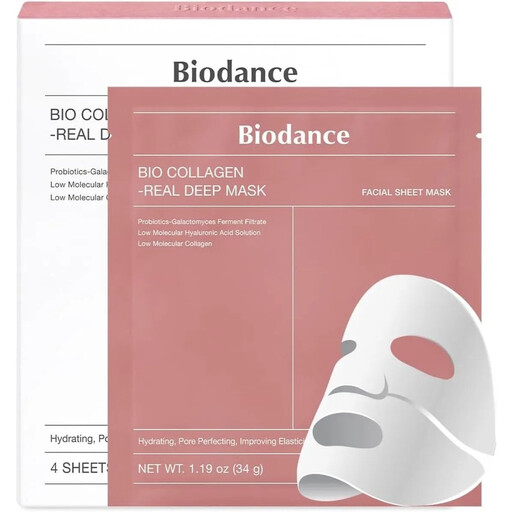
Why it suits this profile: This hydrogel collagen mask is designed for a longer treatment lasting 3–4 hours or overnight.
The instructions make it clear that the mask does not need to be removed after 15 minutes. This helps prevent incorrect use of a concentrated hydrogel treatment.
4 sheets of 34 g; two-piece biocellulose/hydrogel construction according to the product information; collagen extract, glycerine and hydrolysed hyaluronic acid.
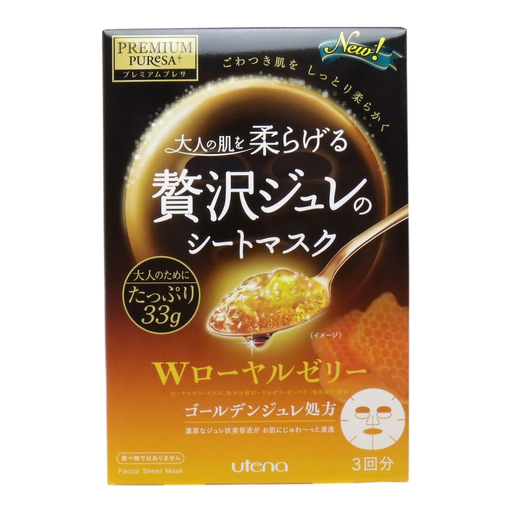
Why it suits this profile: The thicker jelly texture and 20–30-minute wear time are a good match for anyone looking for a richer hydrating face mask.
The product specification clearly states the intended skin types: dry, dehydrated and dull skin. This makes the choice more targeted than simply judging by the packaging.
Set of 3 33 g masks; according to the ingredients list, contains glycerine, hyaluronic acid and collagen, among other ingredients.
We have put together a complete, up-to-date list of products that fully meet these strict selection criteria and the applicable European safety regulations.
Do not combine several new active products on the same day if your skin reacts easily. This makes it easier to determine which product works well for you.
This depends on the formula and the instructions. Many sheet masks are suitable for use once or a few times a week. A pack may, for example, recommend using the mask 1–2 times per week or 2–3 times per week. Do not use a mask more often than indicated, particularly if your skin is prone to sensitivity.
A collagen mask often contains collagen extract or hydrolysed collagen and is marketed as helping to create a plumper or smoother skin feel. A hydrating face mask usually focuses on moisture-binding ingredients such as glycerine and hyaluronic acid. Both may hydrate the skin, so check the full ingredients list rather than relying on the name alone.
Sometimes, but always check the ingredients and carry out a patch test beforehand. Ideally, choose a formula with a short, clear ingredients list and avoid using it on irritated or damaged skin. Stop immediately if you experience a burning sensation, redness, itching or swelling.
