
Vandaag of morgen in huis

Kwaliteit gegarandeerd

Welkomstaanbiedingen ontgrendelen: GRATIS bezorging | Tot 80% korting | Gratis 30 dagen JoyPlus-proefperiode
Download de app
Korean face masks come in many forms, from a thin sheet mask to a firm hydrogel face mask or a targeted eye mask. With so much choice, it’s not always easy to decide. An attractive package or a long ingredients list doesn’t automatically mean a mask will suit your skin type or routine.
Look out for these three common pitfalls:
A sheet mask is usually made from cellulose, microfibre or a similar material soaked in essence. It’s a handy option for a quick treatment of around 10 to 20 minutes.
A hydrogel face mask often fits closely to the skin. Some versions become more transparent as you wear them. Always check the recommended wear time: some products are designed to be worn for 1 to 2 hours, while others are intended for overnight use.
A peel-off mask, such as a collagen glass skin mask, dries to form a film that you gently remove. Don’t use this type around your eyes or lips if the packaging advises against it.
For a hydrating face mask, ingredients such as glycerine, hyaluronic acid, panthenol and betaine are worth looking out for. A collagen face mask may also contain hydrolysed collagen, peptides or adenosine. These ingredients tell you something about the formula, but don’t guarantee a particular result for your skin.
If you’re looking for an anti-ageing face mask or retinol face mask, take extra care. For example, SOME BY MI’s product information lists retinol 0.1%, retinal and bakuchiol. According to the product information, retinol can increase sensitivity to sunlight. Use sun protection during the day and follow the warnings on the packaging. If you’re pregnant or breastfeeding, it’s wise to check the product information and seek professional advice.
When choosing a PDRN mask, check the full ingredients list and how often it should be used. Product descriptions often link PDRN, collagen and peptides with skincare for elasticity or skin texture. Don’t treat these brand claims as guaranteed results: always check the packaging and consider how your own skin reacts.
An individually wrapped mask is handy if hygiene and convenience are important to you. For pots containing multiple eye patches, check whether a spatula is included, close the pot securely after use and don’t reuse patches.
Also compare the total quantity:
If you have sensitive skin, start with a patch test on a small area. Don’t use a mask on damaged, irritated or inflamed skin, and stop using it if you experience a burning sensation, itching or swelling.
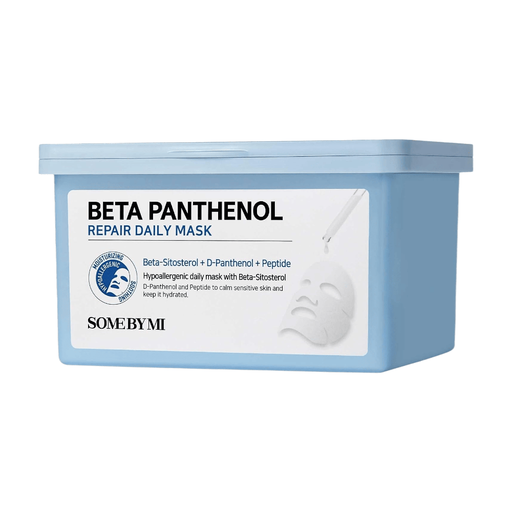
Why it suits this profile: The pack contains 30 sheet masks for a regular routine. The formula lists panthenol, niacinamide, hyaluronic acid and ceramide NP.
The pack of 30 makes it easier to gauge how often to use the masks than with a single mask. The packaging also recommends a patch test and a wear time of 10–20 minutes.
30 masks; panthenol listed at 10,500 ppm; according to the product information, the masks are alcohol-free, vegan-certified and suitable for sensitive skin.
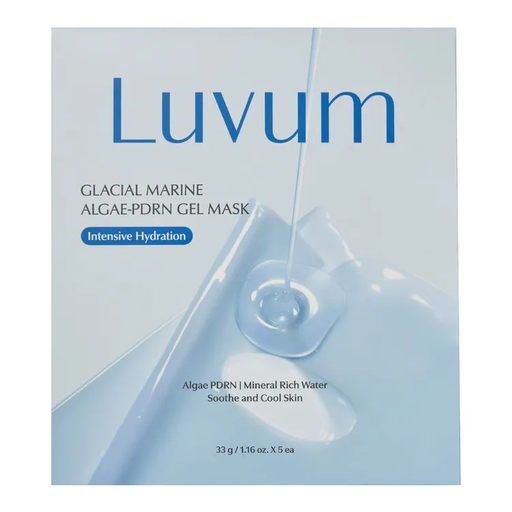
Why it suits this profile: This set contains 5 gel masks with glacier seaweed, PDRN, glycerine and hyaluronic acid. The product information recommends using them 2–3 times a week.
The smaller number of masks suits a weekly intensive treatment. The recommended wear time of 15–20 minutes is clearly stated.
5 hydrogel masks; PDRN, glycerine and hyaluronic acid listed in the ingredients information; described as suitable for dry, normal and sensitive skin.
We’ve put together a comprehensive, up-to-date list of products that meet these strict selection criteria and the applicable European safety regulations.
It depends on the formula. A daily mask with a gentle, hydrating formula may be used every day, according to the packaging. Intensive hydrogel or PDRN masks are often recommended 1 to 3 times a week. Follow the product instructions and use them less often if irritation occurs.
Check the expiry date, batch information and any period-after-opening symbol on the packaging. A pot of eye patches should be closed securely after opening to help prevent them drying out. Individually wrapped masks stay hygienically sealed until you use them, but don’t use them after the stated expiry date.
They can be, but not all masks are the same. Check for fragrance, essential oils, retinol, acids and any other ingredients you’ve reacted to before. Do a patch test first and don’t use the mask on damaged skin. If the irritation doesn’t stop, seek advice from a doctor or dermatologist.
