
Vandaag of morgen in huis

Kwaliteit gegarandeerd

Welkomstaanbiedingen ontgrendelen: GRATIS bezorging | Tot 80% korting | Gratis 30 dagen JoyPlus-proefperiode
Download de app
A dull complexion, an uneven appearance or a tight feeling after cleansing: Korean face masks are an accessible way to add extra care to your routine. However, not every brightening face mask is suitable for daily use or every skin type.
Marketing terms such as “glow”, “whitening” and “glass skin” say little about the formula on their own. Instead, focus on the type of mask, the ingredients, the recommended wear time and the warnings on the packaging. This will help prevent a product from being left unused at the back of your bathroom cabinet.
According to the product description, a mask may help your skin look brighter or more even. That does not automatically mean that pigmentation will disappear or that any change to the skin will be permanent. A face mask for pigmentation is a cosmetic skincare product; it is not a substitute for dermatological treatment.
Pay attention to the exact description and the ingredients list. Niacinamide, vitamin C derivatives, arbutin and hydrating ingredients each have a different role in a formula. According to some brands’ own research, certain products may provide more hydration or a brighter-looking complexion immediately after use. Such results are not automatically the same for everyone.
Wearing a sheet mask for longer than stated on the packaging does not necessarily provide extra skincare benefits. A cellulose mask that dries out may actually feel uncomfortable. Hydrogel masks are an exception: some models are designed to be worn for several hours, until the mask becomes transparent.
Always check the recommended wear time. A five-minute mask, such as the SKINFOOD Yuja C Vita Daily Mask, is suitable for a quick morning or evening routine. Other hydrogel masks are designed to be worn for two to three hours or, in some cases, overnight.
Vitamin C, retinal, retinol, exfoliating acids, essential oils and fragrance may be less suitable for some users. This varies depending on the formula and your skin type. Read the ingredients list, test a new product on a small area of skin first, and stop using it if you experience burning, redness, itching or swelling.
Packaging for products containing retinol or retinal often highlights increased sensitivity to sunlight. Use a sun protection product during the day and follow the manufacturer’s safety instructions.
A Korean sheet mask is practical when you do not want to use water. The essence-rich sheet sits against your face and usually leaves behind essence that you can pat into the skin. Consider the material, fit and recommended wear time.
A hydrogel face mask generally feels firmer and cooler on the skin. The ANUA masks in this selection are designed to remain on the skin for several hours. According to the product description, the mask becoming transparent may indicate that the gel is thinning during wear, but this is not a universal measure of absorption into the skin.
A wash-off mask, such as a rice and honey mask, should be rinsed off after approximately 15 to 20 minutes. This type is better suited to a weekly skincare session than to daily face masks.
A long ingredients list does not automatically mean that a mask is better suited to you. The combination and concentration are important, but they cannot always be determined fully from the product page.
A pack containing 25 or 30 sheets is handy for a regular routine, but only if you use the masks regularly before their expiry date. A set of three or four hydrogel masks is more suitable for occasional intensive care.
Keep opened packaging tightly sealed, in a cool place and away from direct sunlight. Check the expiry date and batch number on the packaging. Use each sheet or hydrogel mask only once.
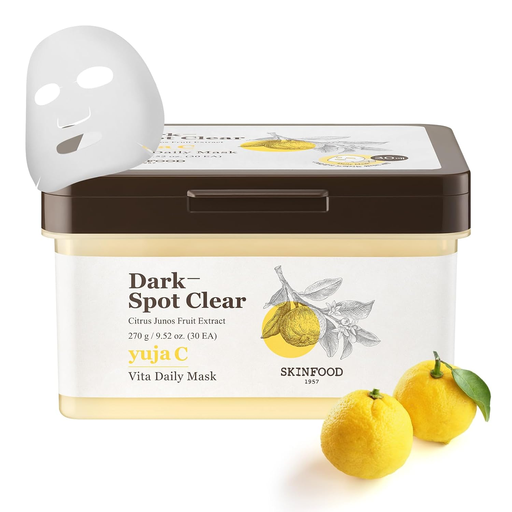
Why it suits this profile: The pack contains 30 sheets and the stated wear time is five minutes. This makes it an easy choice if you want to try Korean skincare one step at a time.
The short treatment time reduces the chance of leaving the mask on unnecessarily long. The formula lists yuja extract and vitamin C; if you have sensitive skin, always check the full label.
30 sheets, 100% cellulose according to the product description, and a five-minute wear time.
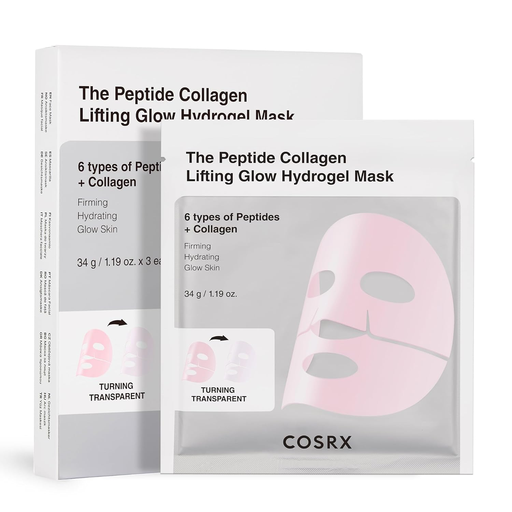
Why it suits this profile: This hydrogel mask is designed to provide moisture, a plumper-looking complexion and care for fine lines. Its long wear time suits a relaxed evening routine.
The product instructions state two to three hours, or overnight use. A patch test beforehand can help identify unsuitable reactions in good time.
According to the ingredients list, it contains peptides, hyaluronic acid, collagen and ceramides; a set of three masks.
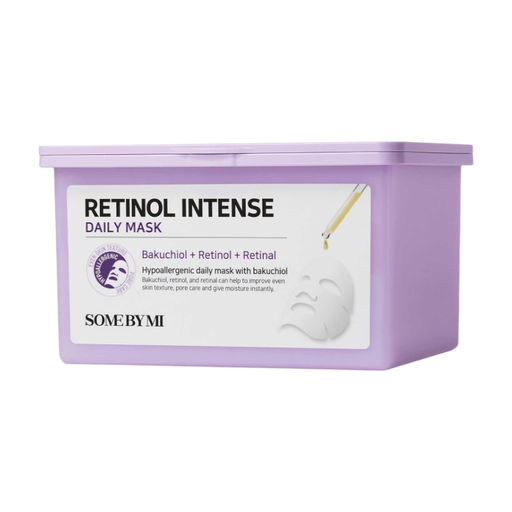
Why it suits this profile: The formula is designed for users who want to focus not only on hydration, but also on smoother-looking skin, fine lines and texture.
The product information lists retinol 0.1%, retinal and bakuchiol, along with warnings about sun sensitivity. This is not the obvious first choice for anyone looking to avoid active ingredients.
30 sheets, retinol and retinal in the ingredients list, and several forms of hyaluronic acid.
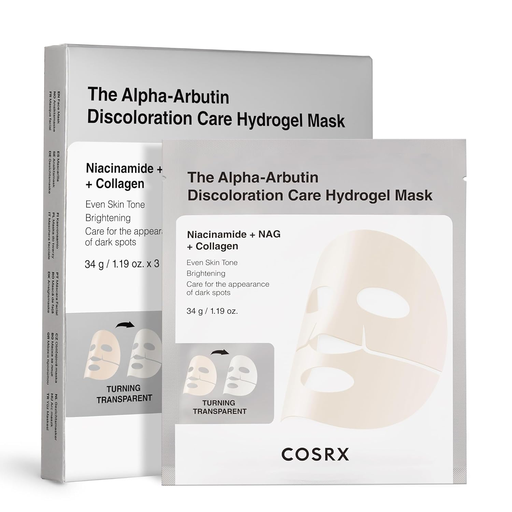
Why it suits this profile: According to the ingredients list, this hydrogel mask contains alpha-arbutin and niacinamide and is designed to promote a more even and smoother-looking complexion.
The product description gives a clear wear time of two to three hours, until the mask becomes transparent. Expect cosmetic skincare, not guaranteed correction of pigmentation.
Alpha-arbutin, niacinamide, collagen and ceramides; three individually packaged hydrogel masks.
We have put together a complete, up-to-date list of products that fully meet these strict selection criteria and the applicable European safety regulations.
It depends on the product. According to the product instructions, a daily sheet mask may sometimes be suitable for everyday use, while a wash-off mask is usually used once or twice a week. When using retinol, retinal, acids or vitamin C, it is sensible to follow the packaging instructions and build up usage gradually.
A mask can temporarily make the skin look more even, fresher or more hydrated. The effect varies from person to person and from product to product. When dealing with pigmentation, sun protection and a consistent skincare routine are important. Persistent or changing skin marks are best discussed with a doctor.
A multipack can be practical if you use a sheet mask regularly. For occasional use, a set of three to five hydrogel or gel masks is often easier to manage, with less risk of opened sheets drying out or passing their expiry date unused.
