
Vandaag of morgen in huis

Kwaliteit gegarandeerd

Welkomstaanbiedingen ontgrendelen: GRATIS bezorging | Tot 80% korting | Gratis 30 dagen JoyPlus-proefperiode
Download de app
A Korean toner can be a simple step between cleansing and moisturising, but the choice is vast. One facial toner is watery and light, while another has the texture of an essence. Some formulas focus on hydration, others on exfoliation, a more even complexion, or a comfortable feel for dry skin.
Marketing doesn’t always make it easy to compare. A high percentage of plant extracts, for example, doesn’t tell you much about the full formula. Also, a toner intended for daily use may contain ingredients your skin doesn’t tolerate well if you use it too often. These checkpoints will help you choose more wisely.
A claim like “77% heartleaf” or “70% rice extract” sounds clear, but it doesn’t tell you everything about the formulation. Also check the other ingredients, the texture and the instructions for use. A formula may contain perfume, essential oils or exfoliating acids alongside hydrating ingredients.
An exfoliating toner with AHA, BHA or LHA can be appealing if you have uneven skin texture or visible pores. However, using it too often can cause a tight or irritated feeling. So start as directed on the label and don’t combine several exfoliating products without careful thought.
This description is no guarantee that a product will feel comfortable for everyone. A rich essence toner may be suitable as a toner for dry skin, but can feel heavy on oily skin. Conversely, a purifying formula may be too intense for sensitive skin. Look at the ingredients, alcohol and fragrance content, pH level if stated, and the texture you prefer.
First, choose the aim of your routine:
An ingredient is no guarantee of a particular result. Check the full INCI list and stop if you experience persistent redness, itching or a stinging sensation.
A watery toner absorbs quickly and often works well with multiple layers of skincare. A milky or gel-like toner feels richer and can be appealing for dry skin. Also pay attention to the size:
Check whether the product can be applied with your hands, a cotton pad or as a mist. The packaging and product page also provide information about shelf life, batch and the period after opening.
Only use a toner in the way stated on the packaging. With AHA, BHA, LHA or vitamin C, sun protection during the day may be advisable; follow the product’s safety information. Do not use multiple exfoliating products at the same time if the label warns against it.
For sensitive skin, a patch test on a small area is a sensible precaution. Pay extra attention to perfume and essential oils. The Dear, Klairs formula is described as alcohol-free and fragrance-free, but the ingredient information provided for one variant does list several essential oils. So always check the packaging of the specific version.
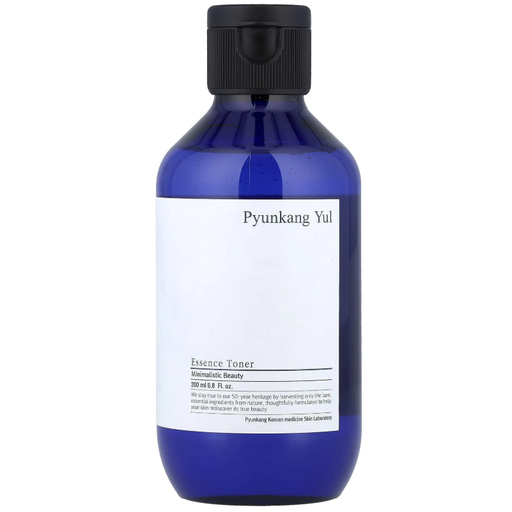
Why this fits the profile: The 200 ml size and simple essence texture make this a straightforward choice for anyone starting out with Korean skincare and primarily looking for hydration.
The product information focuses on hydration and does not mention AHA or BHA, so you won’t accidentally start with exfoliating acids.
200 ml, light essence texture and astragalus membranaceus root extract according to the ingredients list.
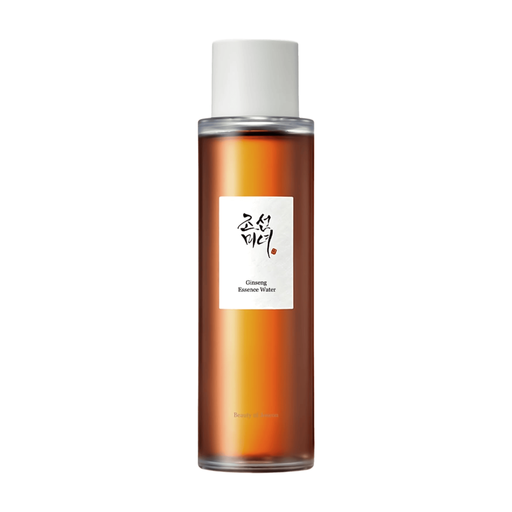
Why this fits the profile: Ideal for anyone looking for a nourishing essence water that combines several hydrating and soothing ingredients in one formula.
The ingredients list clearly shows that, alongside ginseng water, it also contains glycerin, panthenol, niacinamide and sodium hyaluronate.
150 ml, 80% ginseng water according to the product information and suitable for dry, normal and combination skin types as stated.
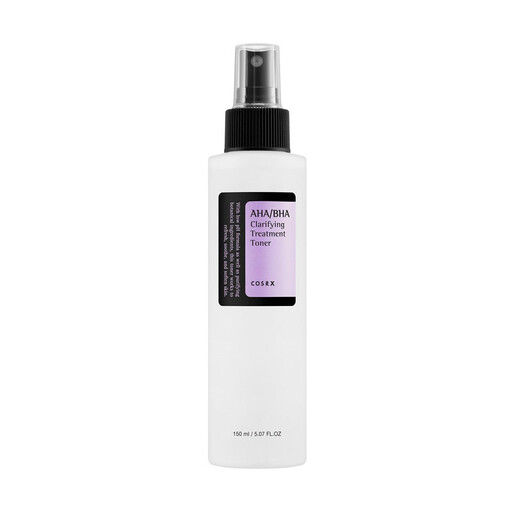
Why this fits the profile: For users who deliberately want to add a toner for blemishes and an exfoliating step to their routine.
The presence of AHA and BHA is clearly stated. This means you can adjust the frequency rather than treating this product as a regular hydrating toner.
150 ml, glycolic acid and willow bark extract according to the product information; use gradually and follow the warnings.
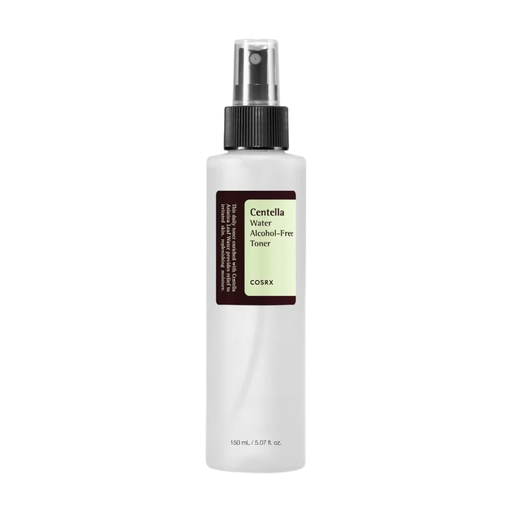
Why this fits the profile: The light spray formula is practical for anyone who wants to add moisture after cleansing without exfoliating acids.
The product description mentions an alcohol-free formula and states it can be used as a toner or mist. This makes the application easy to control.
150 ml, centella asiatica, panthenol, allantoin and sodium hyaluronate in the ingredients list.
We’ve put together a full, up-to-date list of products that fully meet these strict selection criteria and comply with current European safety regulations.
A toner is not a mandatory step. Choose a formula that suits your skin’s feel, your routine and your budget. For sensitive skin, starting with less frequent use is usually wiser than combining several active products straight away.
That depends on the formula. A hydrating toner without exfoliating acids is often described as suitable for daily use. With AHA, BHA or LHA, follow the packaging and build up usage gradually.
The shelf life and period after opening are stated on the packaging. Also check the batch information and store the bottle according to the instructions, usually in a cool, dry place away from direct sunlight. Has the smell, colour or texture changed? Then stop using the product.
Both methods can be suitable. Using your hands reduces friction and allows you to gently pat an essence toner into the skin. A cotton pad is handy for a thin, even layer or for a product that, according to the instructions, should be lightly swept over the skin.
