
Vandaag of morgen in huis

Kwaliteit gegarandeerd

Welkomstaanbiedingen ontgrendelen: GRATIS bezorging | Tot 80% korting | Gratis 30 dagen JoyPlus-proefperiode
Download de app
Korean sweets appeal to shoppers with their eye-catching packaging, unusual textures and flavours such as mango, lychee, yoghurt soft drink and matcha. However, colourful packaging says little about the ingredients, serving size or whether a product suits your needs. If you are buying Korean sweets online, it is worth comparing the label and product format first.
The most common pitfalls are:
Texture largely determines whether a snack is right for you. Korean gummies are generally firm and chewy. A product such as Cokoc Mega Trophy Gummies uses beef-skin gelatine and has a soft, peelable shape. This differs from konjac jelly, which is smoother and more pudding-like and is often sold in a squeeze pouch or cup.
Mochi is usually made from glutinous rice flour or a similar starch-based ingredient. Bamboo House Matcha Mochi contains, among other ingredients, red beans, glutinous rice flour and sesame. So check the allergen information if you are sensitive to sesame. Korean chocolate and biscuit bars, such as Pepero or Choco Pie, usually contain wheat, milk or soya.
Compare products on a consistent basis: per 100 grams or per 100 millilitres. This prevents a small serving pack from appearing better value or lighter than it really is.
Here are some examples from the range:
A lower energy value does not automatically mean that the flavour, ingredients or texture will suit everyone. It is the combination of the product’s purpose, composition and serving size that matters.
Check that the sweets genuinely come from South Korea. Delief Konjac Jelly Mango and Jelly B products list South Korea as their country of origin. A range of Asian sweets may also include products from other countries.
If you want to buy vegan sweets, look for a clear vegan claim and check the ingredients too. Delief Konjac Jelly Mango is listed as vegan. Other gummies in the range contain gelatine and are therefore not vegan. The same applies to halal snacks: LOTTE Pepero products are described as halal-certified, but always check the current packaging and certification information when purchasing.
Also look out for statutory warnings. Cokoc Mega Trophy Gummies and several other products state that colourings E110 or E102 may have an adverse effect on activity and attention in children. Follow the age and usage instructions on the packaging as well. Jelly and gummy products are not toys; with young children, take the shape and texture into account.
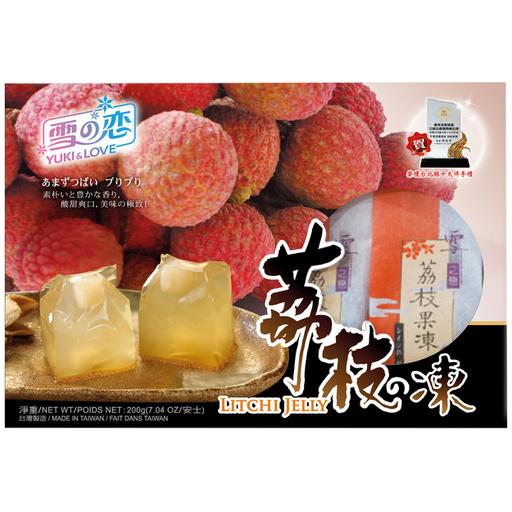
Why it suits this profile: A manageable 200-gram bag with a familiar lychee flavour is an accessible choice for anyone trying Korean sweets for the first time.
The product information shows the percentage of lychee juice and the nutritional values, allowing you to check the fruit claim.
200 grams; 96 kcal and 21 grams of sugar per 100 grams; clear lychee and apple juice base.
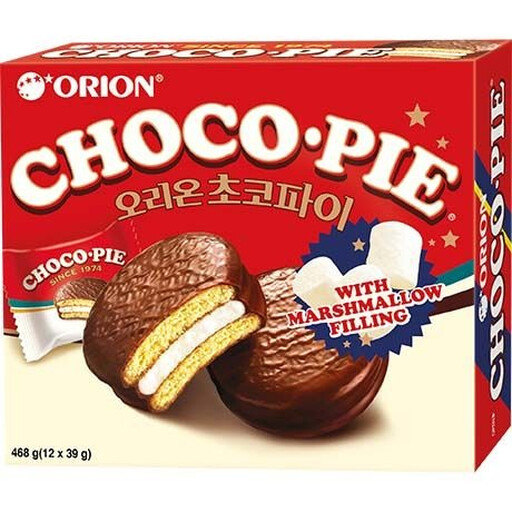
Why it suits this profile: Ideal for fans of Korean chocolate and soft cake products who are looking for a larger pack to share.
The allergen list explicitly names wheat, milk, egg and soya. This means you can assess in advance whether the product is suitable for your household.
468 grams; a combination of cocoa, dairy and wheat cake; suitable as a standalone treat or dessert component.
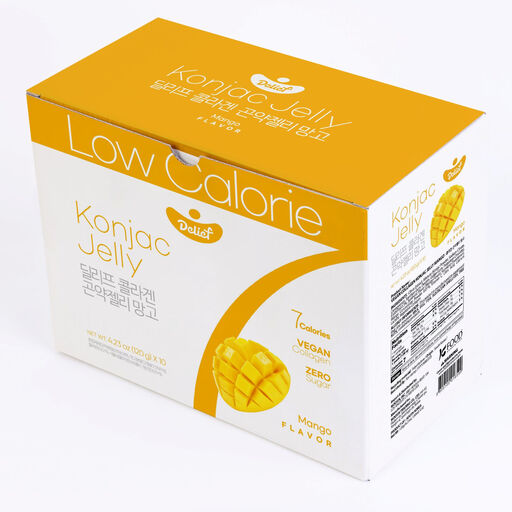
Why it suits this profile: The individual packs are practical for travelling, keeping at the office or anyone who wants to store several pouches.
The packaging states that it is vegan and identifies the mango flavour, serving format and nutritional values. Still, check the current ingredients list on arrival.
10 × 120 grams; 5 kcal per 100 grams according to the product information; ready to eat from convenient squeeze pouches.
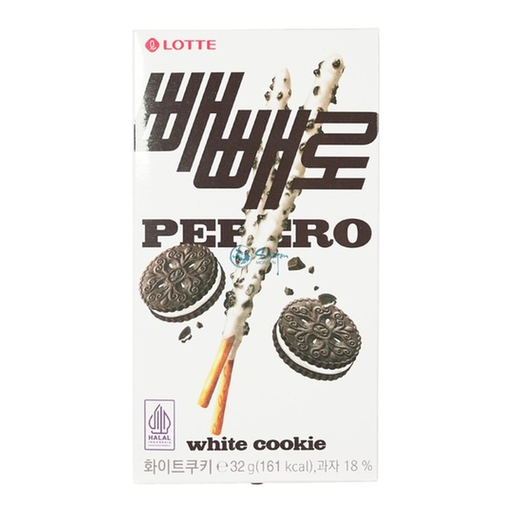
Why it suits this profile: A compact snack for fans of K-pop, Korean culture or crunchy chocolate-coated biscuit bars.
The product description states the coating, ingredients and halal certification. For allergies, pay particular attention to wheat, milk and soya.
32 grams; crunchy biscuit sticks with white chocolate and biscuit crumbs; listed as halal in the product information.
We have put together a complete, up-to-date list of products that fully meet these strict selection criteria and the applicable European safety regulations.
Korean sweets include gummies, fruit gummies, jelly, konjac jelly, mochi, Pepero, chocolate biscuits and hard sweets. Not every product in a category of Asian snacks comes from South Korea. So check the country of origin on the product page or packaging.
It varies from product to product. Some konjac jelly products are listed as vegan. Gummies may contain gelatine, while chocolate and biscuit products may contain milk, soya or egg. Pepero is described as halal-certified. Always use the most recent packaging as your reference, particularly in cases of allergies or religious dietary requirements.
Store most Korean treats in a cool, dry place away from direct sunlight. Seal opened packaging securely. Some konjac jelly products need to be refrigerated after opening and consumed quickly. The best-before date, storage conditions and instructions on the packaging take precedence.
