
Vandaag of morgen in huis

Kwaliteit gegarandeerd

Welkomstaanbiedingen ontgrendelen: GRATIS bezorging | Tot 80% korting | Gratis 30 dagen JoyPlus-proefperiode
Download de app
Korean sweet potato noodles are popular for their translucent appearance and springy, chewy texture. In Korea, they are often known as dangmyeon and form the base of japchae. These Korean glass noodles are also great for soups, salads, hotpot and stir-fry dishes.
However, many packets look very similar. Choosing the wrong one can lead to noodles that go soft too quickly, don't absorb enough sauce, or don't suit your diet. So don't just rely on words like "Korean-style" or "premium" – pay close attention to the ingredients, the size and the cooking instructions instead.
The term glass noodles can refer to noodles made from sweet potato starch, mung bean starch, potato starch or other ingredients. For a traditional japchae texture, you need to look specifically for sweet potato starch, sweet potato starch or dangmyeon on the ingredients list.
Mung bean noodles can work for other Asian dishes, but they usually have a different thickness and texture. So always check the ingredients rather than just the front of the packet.
A 500g or 1kg pack might seem appealing if you cook regularly. However, once opened, you need to keep the noodles tightly sealed, dry and away from heat. If you only make japchae now and then, a 200g to 340g pack can help you avoid waste.
Also consider preparation: dry noodles absorb water and become heavier after cooking. So a smaller amount can be enough for a meal with vegetables, tofu, mushrooms or meat alternatives.
Many Korean sweet potato noodles in this range don't list any of the 14 major EU allergens and are made mostly or entirely from sweet potato starch. That makes them a possible choice for people looking for gluten-free noodles. However, always check the current packaging and pair them with a sauce that doesn't contain wheat.
Japchae sauce often contains soy sauce with wheat. Ready-made japchae, such as Delief Japchae, also contains wheat, soya and sesame according to the product information. So look at all the ingredients in the meal, not just the noodles.
For a simple base, choose a product with a short ingredients list, for example 100% sweet potato starch. Some varieties also contain water, sodium alginate or modified starch. That doesn't have to be a problem, but it can affect the texture.
If you want to avoid allergens, check the packaging for cross-contamination and the current EU allergen declaration. Product information on a webshop is handy for an initial filter, but the label is what counts.
For hotpot and hearty stir-fries, a slightly thicker variety is often more practical. For a cold salad, a thin Korean vermicelli can be more pleasant to eat.
Preparation methods vary by brand. Wang, for example, recommends: soak for 20 minutes in warm water, then cook for 6 to 7 minutes, drain and rinse with cold water. Other products don't give specific timings on the product page. So always follow the instructions on the packet.
Rinse cooked glass noodles briefly with cold water if you plan to stir-fry them later. This helps stop them from cooking further. Then toss them with a little oil or sauce to reduce sticking. For japchae, you can prepare the noodles separately and mix them with vegetables and sauce at the end.
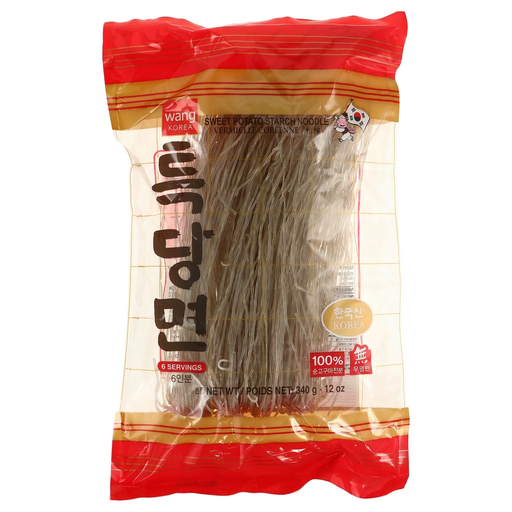
Why this fits the profile: The 340g pack is ideal if you want to try japchae or other Asian dishes without committing to a large bulk pack.
The product information states 99.9% sweet potato starch and gives clear soaking and cooking instructions. So you don't have to rely solely on marketing terms.
340g, mentions a chewy texture and, according to the product information, is suitable for japchae, hotpot, soups, salads and stir-fries.
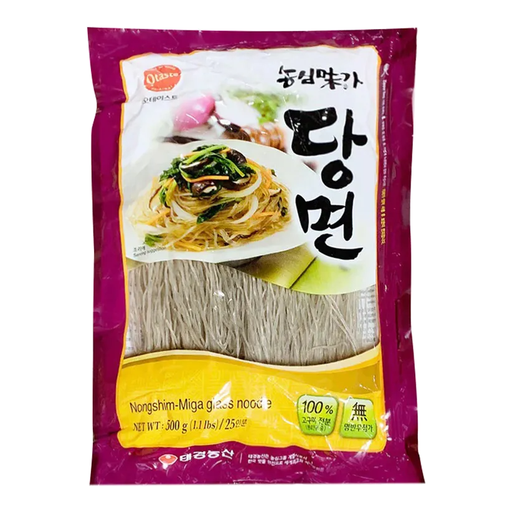
Why this fits the profile: A 500g pack suits home cooks who make Korean dishes regularly and want a versatile staple in the cupboard.
The product description mentions sweet potato starch, a firm translucent texture and an ingredients list with no added sugar, salt or artificial additives.
500g content, 0g fat and, according to the allergen information listed, none of the 14 major EU allergens. Origin: China.
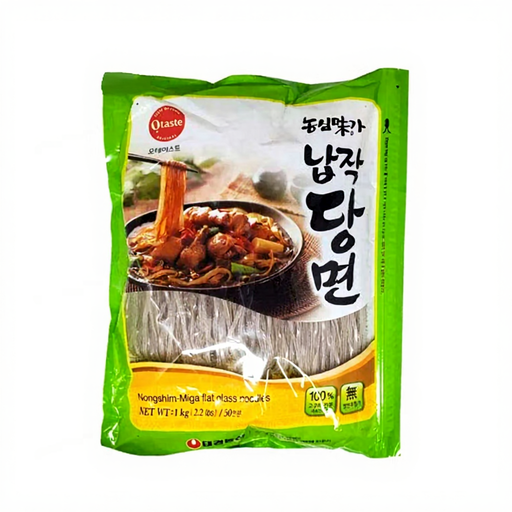
Why this fits the profile: The 1kg pack is aimed at households that cook often, make large portions of japchae or use glass noodles for hotpot and stir-frying.
The product information states 100% sweet potato starch and a flat shape. After opening, do check the best-before date carefully and keep the packaging sealed and dry.
1kg content, flat Korean glass noodles and, according to the product information, suitable for a wide range of dishes. Origin: Korea.
We've put together a full, up-to-date list of products that fully meet these strict selection criteria and comply with current European safety regulations.
Noodles made solely from sweet potato starch and water do not naturally contain wheat gluten. Always check the current ingredients list and allergen information on the packaging. A dish can still contain gluten from soy sauce, stock or a ready-made sauce.
First, follow the instructions from the brand. A common method is to soak in warm water, then boil, drain and briefly rinse with cold water. Wang recommends 20 minutes of soaking and 6 to 7 minutes of boiling. Then mix the noodles with vegetables, sauce and optionally tofu or mushrooms.
Dry noodles generally keep until the date on the packet, as long as they are stored dry and tightly sealed. After opening, moisture, heat and direct sunlight are the main things to watch out for. Before use, check the packaging, smell and appearance of the noodles.
