
Vandaag of morgen in huis

Kwaliteit gegarandeerd

Welkomstaanbiedingen ontgrendelen: GRATIS bezorging | Tot 80% korting | Gratis 30 dagen JoyPlus-proefperiode
Download de app
A Korean sunscreen SPF50 for the face often combines sun protection with a nourishing texture. That's why Korean sunscreen has become popular for daily use, even under make-up. However, a smooth finish or a trendy ingredient doesn't automatically mean a product is right for your skin and your needs.
The three most common pitfalls:
For daily use in the UK, many consumers opt for a face sunscreen SPF50+. SPF50+ indicates high protection against UVB according to the relevant test method. Also look for a mention of UVA and UVB protection. On European packaging, you may see a UVA symbol in a circle; on Korean products, you'll often find a PA rating such as PA+++ or PA++++.
A high factor doesn't make reapplication unnecessary. Apply your sunscreen as the last step of your morning routine, ideally before prolonged sun exposure. The product information for several options states: reapply after approximately two hours outdoors, and after swimming, sweating or towel drying.
Check the ingredients list to see whether the formula uses chemical UV filters, mineral filters or a combination. The BIRCH Juice Moisturizing Sunscreen, for example, lists Diethylamino Hydroxybenzoyl Hexyl Benzoate, Ethylhexyl Triazone and other chemical UV filters. According to its product information, the Skin1004 Air-Fit Suncream Light uses zinc oxide as a mineral filter.
Neither filter type is automatically suitable for everyone. If you have sensitive skin, test the product on a small area first. Also pay attention to ingredients such as fragrance, denatured alcohol and essential oils. If you experience redness, swelling, itching or a burning sensation, stop using it and consult a doctor or dermatologist if necessary.
A lightweight sunscreen without a white cast is practical when you wear make-up daily. Gel, serum and fluid textures usually spread easily, but the final finish depends on your moisturiser, primer and foundation.
For dry skin, a hydrating sunscreen with glycerine, hyaluronic acid or nourishing emollients may be more comfortable. Oily or combination skin may benefit more from a gel or airy milk with a less shiny finish. For outdoor activities, explicitly check whether water-resistant sunscreen is mentioned. If it's not stated on the packaging or product page, don't assume the formula can withstand swimming or heavy perspiration.
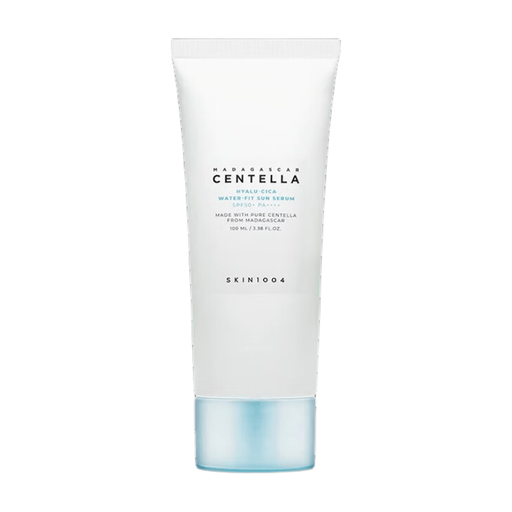
Why this fits the profile: Ideal for fans of Korean skincare who want a serum-like texture, generous size and SPF50+ in one morning product.
The product description specifies SPF50+, a lightweight formula and no sticky feel. The finish remains personal, so test it with your day cream.
100ml content; the ingredients list includes centella asiatica, glycerine and various forms of hyaluronic acid.

Why this fits the profile: The compact 12ml packaging is ideal for travel, a handbag or situations where you need to reapply on the go.
According to the product description, the milk is water-resistant and has a light texture. Check the current packaging and reapply after swimming, sweating or towel drying.
SPF50+ and a portable size; the product information mentions a light milk texture and water resistance.
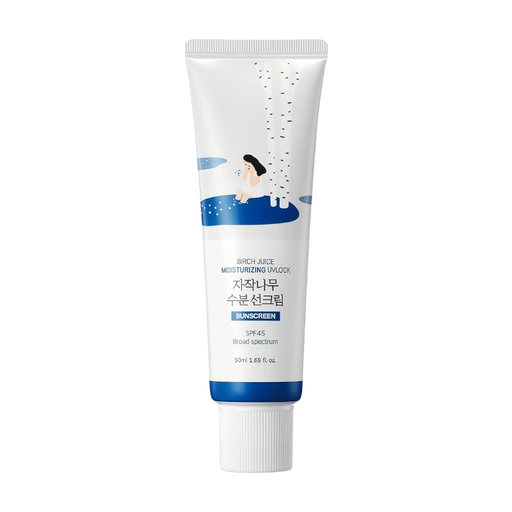
Why this fits the profile: An option for anyone who wants to incorporate a hydrating sunscreen into their daily skincare routine without choosing a separate lightweight gel.
The ingredients list shows glycerine, sodium hyaluronate and hydrolysed hyaluronic acid. If you have sensitive skin, a patch test beforehand is still advisable.
50ml content and SPF50; according to the product information, the formula contains multiple chemical UV filters and hydrating ingredients.
We've put together a full, up-to-date list of products that fully meet these strict selection criteria and comply with current European safety regulations.
That depends on your exposure, skin type and personal preference. If you spend a lot of time outdoors, you'll often choose SPF50+ for its higher UVB protection according to the product classification. Apply enough and reapply regularly; a high factor doesn't replace correct application.
Yes, many lightweight formulas are designed for this purpose or described as such. Let the sunscreen set briefly first, then apply foundation without rubbing too hard. A gel or serum can combine well with make-up, while a richer cream may suit dry skin better.
The exact period is stated on the packaging, often with a symbol indicating the number of months after opening. Don't store the product for long periods in heat or direct sunlight. If the smell, colour or texture changes, stop using it.
