
Vandaag of morgen in huis

Kwaliteit gegarandeerd

Welkomstaanbiedingen ontgrendelen: GRATIS bezorging | Tot 80% korting | Gratis 30 dagen JoyPlus-proefperiode
Download de app
A Korean sunscreen SPF 50 can feel pleasant on the face, but not every formula suits every skin type or usage scenario. A soft texture, no white cast and a good base under make-up all sound appealing. Yet there are a few pitfalls that could lead you to buy a product that stings, pills or runs out too quickly.
SPF mainly tells you about protection against UVB rays, which are associated with redness and burning. For daily use, protection against UVA is also important. So alongside SPF 30 or SPF 50+, look for a mention of broad-spectrum UV protection and, with Korean products, the PA rating.
PA++++ is used in many Korean products as an indicator of high UVA protection. This rating is not the same as the European UVA logo, so also check the full product information and packaging. A high protection factor only helps if you apply enough and reapply regularly.
A watery sunscreen can be comfortable for oily or combination skin, but for dry skin it may sometimes offer too little comfort. Conversely, a rich sun cream can look shiny on oilier skin or shift under make-up.
Look for ingredients that fit your routine. Hyaluronic acid, glycerine and beta-glucan are often used in a hydrating sunscreen. Centella Asiatica is common in Centella sunscreen and is typically chosen by brands for its soothing feel on the skin. According to the brands' own product information, some formulas also contain panthenol, allantoin or niacinamide. That doesn't automatically tell you how your own skin will react.
A transparent chemical formula usually leaves less visible residue than a mineral formula with zinc oxide. However, skin type, amount applied and skin tone can all make a difference. Products with zinc oxide can leave a slight cast, even when the product description describes this as minimal.
Test a new sun cream first on a small area of skin. After a few minutes, check for white traces, shine, stinging and how it blends with your moisturiser or foundation.
For the face, many adults choose an SPF 50+ sunscreen for daily use, especially if they spend a lot of time outdoors. A product with SPF 30 can suit shorter daily exposure, but offers a lower stated SPF. Also check whether the product is intended for the face, the body or both.
A sun cream for the face doesn't need to be water-resistant. For cycling, walking, sports or swimming, the usage instructions are more important than just a high SPF. According to the product information, the iUNIK Centella Calming Daily Sunwater, for example, is not described as water-resistant. Reapplying after swimming, sweating or towel-drying remains especially important.
Check whether the formula uses mineral filters, chemical filters or a combination. The SKIN1004 Madagascar Centella Airfit Suncream Light lists zinc oxide as a mineral filter. The SKIN1004 Hyalu-Cica Water-Fit Sun Serum uses several organic UV filters according to the ingredients list.
Neither filter type is automatically suitable for everyone. A mineral formula can be interesting if you're looking for a light, milky texture, while a chemical formula often feels thinner and more transparent. Sensitive skin also doesn't mean that every product without fragrance or alcohol will be problem-free: always check the current ingredients list.
A thin layer gives less protection than the factor on the packaging suggests. Apply the sun cream as the last step of your morning routine and spread enough over your face and neck. Avoid direct contact with the eyes.
With prolonged exposure, reapplication is important, for example after about two hours or sooner after swimming, sweating and towel-drying. Combine sunscreen with shade, clothing and sunglasses. No sun cream makes prolonged time in the sun sensible without further precautions.

Why this fits the profile: The cream is designed for daily use on the face and, according to the product information, has a light, hydrating texture. This makes it a practical starting point for anyone wanting to try sunscreen under make-up.
The product description mentions no white cast, no sticky feel and no pilling upon application. Still check this yourself in combination with your own skincare.
SPF 50+, PA+++ according to the product information, 50 ml content and rice extract as a listed ingredient.
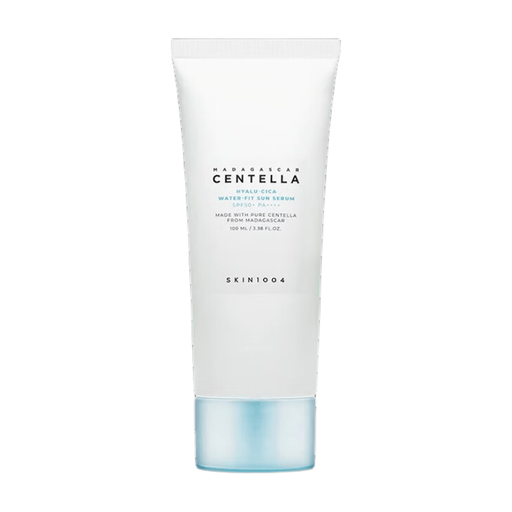
Why this fits the profile: The serum-like formula combines Centella Asiatica with hyaluronic acid and glycerine according to the ingredients list. This suits anyone looking for a hydrating sunscreen with a lightweight feel on the skin.
The product information mentions fast absorption, no sticky feel and no white film. The small 15 ml size is something to consider in terms of cost per use.
SPF 50+ according to the product information, Centella Asiatica, sodium hyaluronate and multiple UV filters in the ingredients list.
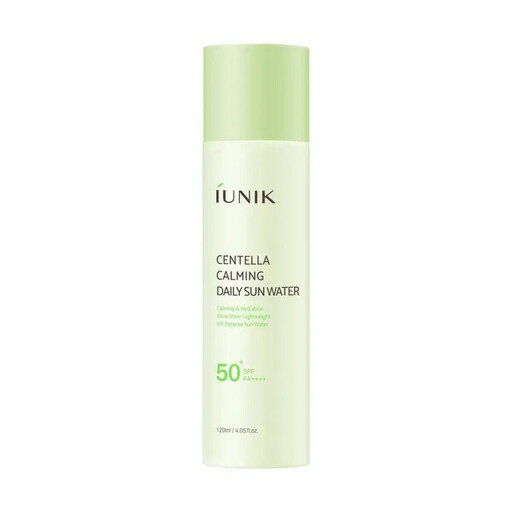
Why this fits the profile: The large size and watery texture suit daily use where you want to apply generously and are looking for a non-greasy sun cream.
According to the product information, the formula is non-sticky, without white cast and not water-resistant. For swimming or heavy sweating, a different usage plan is therefore needed.
SPF 50+ PA++++, 120 ml content and listed ingredients such as Centella Asiatica, panthenol and hydrolysed hyaluronic acid.
We've put together a full, up-to-date list of products that fully meet these strict selection criteria and comply with current European safety regulations.
First apply your usual skincare and wait a short while until the layers feel comfortable. Then use the face sun cream over your entire face, neck and, if desired, your ears. Let the formula settle before applying foundation.
A light sunscreen without white cast often works better under make-up, but "pilling" can also occur from too much rubbing or from products that don't combine well. Gently press the sun cream in and test the combination beforehand. When reapplying over make-up, a thin layer with a sponge can be more practical, but this doesn't replace a generous initial application.
That depends on the ingredients and your personal reaction. If you prefer to avoid fragrances, choose a formula without perfume, check the ingredients list and do a patch test on a small area of skin. Stop if you experience redness, itching, swelling or a burning sensation, and seek medical advice if symptoms persist.
Follow the expiry date and the symbol on the packaging. Store the tube or bottle in a cool place away from direct sunlight. An opened product can deteriorate more quickly if stored in a warm place or opened frequently. The shelf life after opening varies per product, so check the packaging rather than relying on a fixed timeframe.
Not necessarily for every situation, but SPF 50+ is a practical choice if you're often outdoors, burn easily or want a high stated level of protection. The amount applied, even coverage and reapplication are at least as important. If you're looking for a light formula for face and neck, compare not only SPF but also PA protection, texture, ingredients, size and water resistance.
