
Vandaag of morgen in huis

Kwaliteit gegarandeerd

Welkomstaanbiedingen ontgrendelen: GRATIS bezorging | Tot 80% korting | Gratis 30 dagen JoyPlus-proefperiode
Download de app
A Korean sunscreen SPF 50 can feel pleasant, work well under make-up and provide extra hydration. Yet a popular ingredient or a pretty package isn't enough on its own. The right choice depends on the UV specifications, texture, ingredients list and how you plan to use it.
If you only look at "SPF 50+", "glow" or "tone-up", you could end up with a product that stings around the eyes, feels too greasy or leaves a visible white cast. Below, you'll find the points to check before you buy a K-beauty sunscreen.
SPF mainly tells you about protection against UVB rays. For UVA protection, you also need to look for a rating such as PA+++ or PA++++, or an explicit mention of broad-spectrum protection. PA is a widely used Asian classification; for a product sold in the UK, also check the information on the packaging and product page.
A higher SPF doesn't mean you can use less product. Applying too thin a layer significantly reduces protection.
A product description may recommend a sunscreen for sensitive skin, but every skin reacts differently. Fragrance, alcohol, plant extracts, certain UV filters or a tint can be less pleasant for some users. So check the full INCI list and try a new product on a small area of skin first.
According to the product information from some brands or sellers, certain formulas have been tested for skin irritation. That is no guarantee for your personal experience.
A Korean face sunscreen often feels thinner than a classic beach sunscreen. That makes daily use easier, but it can also tempt you to apply too little. Apply enough to your face, ears and neck, and reapply after prolonged exposure, sweating, swimming or towel drying.
For daily use, many shoppers look for SPF 50 sunscreen with UVA and UVB protection. Check:
Chemical filters absorb UV radiation; mineral filters such as zinc oxide and titanium dioxide work differently and can have more impact on the visible finish. Neither filter type is automatically suitable for every skin.
A light sunscreen without a white cast is especially handy for medium to dark skin tones or when you use multiple layers of skincare. A tone-up formula can optically brighten the skin; so check whether you want a transparent finish or a subtle tint.
For sunscreen under make-up, fast-absorbing creams, gels and serums are often practical. Let each layer sink in briefly and don't rub the skin for too long. This reduces the chance of pilling.
A hydrating sunscreen often contains ingredients such as glycerine, hyaluronic acid, rice extract, panthenol or niacinamide. Centella Asiatica frequently appears in a Centella sunscreen and is often linked in product descriptions to a soothing feel on the skin. According to brands' own information, these are cosmetic properties, not a medical treatment.
Also pay attention to the size. A 15 ml tube is handy for a bag or travel, but it's usually less economical for daily use than 50 or 60 ml. So compare the price per 10 ml rather than just the total price.
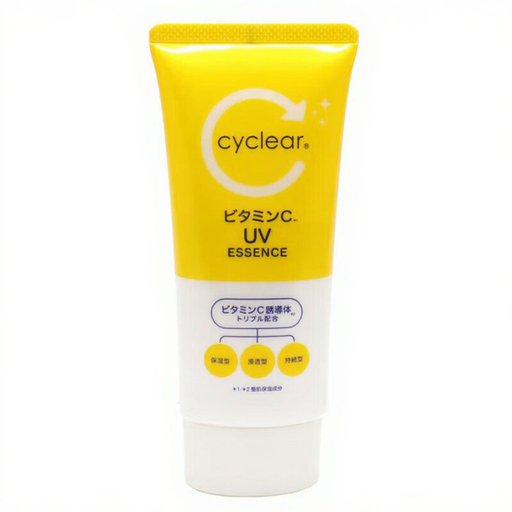
Why this fits the profile: The 70 g size is practical for daily use on the face and neck. The product description mentions a light texture and vitamin C.
The larger size helps prevent you from running out of a small mini quickly. Do check the exact SPF and UVA rating on the packaging before purchase.
70 g content; light essence texture according to the product information; intended for face and neck.

Why this fits the profile: The formula combines SPF 50+ PA+++ with 30% rice extract and fermented ingredients. That suits anyone who wants to combine protection with a comfortable, hydrating feel on the skin.
The product information mentions a light texture with no white cast or sticky feel. Always check whether the finish suits your skin tone and preference.
50 ml; SPF 50+ PA+++ according to the product data; fragrance-free according to the stated product specifications.
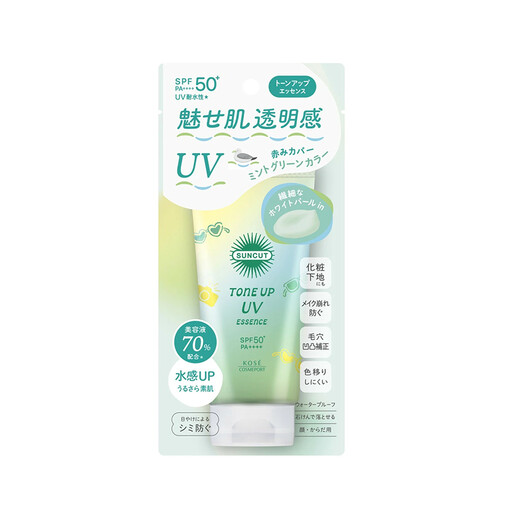
Why this fits the profile: The product description mentions a subtle tint and use as a make-up base. That can suit anyone looking for a face sunscreen with colour correction.
The light tint makes the finish visible before you buy. That way you don't have to guess whether a transparent or tone-up formula suits your routine better.
80 g content; designed as a sunscreen and make-up base; light, creamy texture according to the product information.
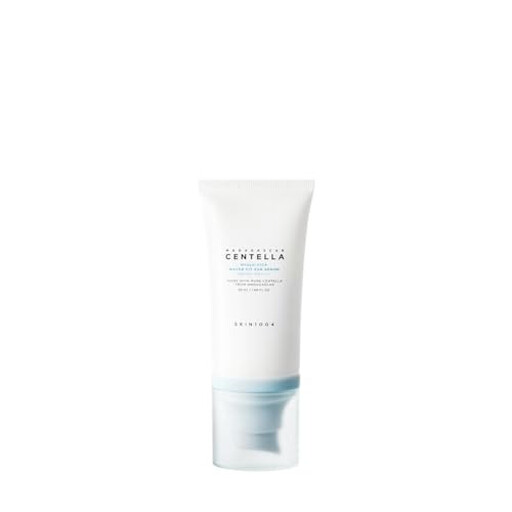
Why this fits the profile: The product data mentions SPF 50+, a light serum texture and Hyalu-Cica with Centella and hyaluronic acid. That suits a daily routine with few layers.
The product description mentions a non-sticky finish with no white film. If you have sensitive skin, still test a small amount first.
50 ml; SPF 50+ according to the product information; serum-like, fast-absorbing texture.
We've put together a full, up-to-date list of products that fully meet these strict selection criteria and comply with current European safety regulations.
Apply the sunscreen as the last step of your skincare routine, before make-up. Use enough product for your face, ears and neck. For outdoor activities, cycling or walking in the sun, reapplying is important, especially after sweating or towel drying.
A face sunscreen does not replace protective clothing, sunglasses or shade. Avoid prolonged exposure to strong sun and follow the instructions on the packaging. When buying online, also check the expiry date, batch information, ingredients and responsible party within the EU when that data is available.
That depends on the formula and your skin. Products with SPF 50 or SPF 50+ are generally intended for use on exposed skin, but always check the exact product information. A patch test is wise if you react quickly to new cosmetics.
For prolonged exposure, it's often recommended to reapply approximately every two hours. Also do this after swimming, exercise, sweating or towel drying. The precise instructions on the packaging take priority.
That depends on the content and how much you use. A 15 ml mini is handy for on the go, but with daily use it runs out faster than a 50, 60 or 80 ml tube. So compare the price per 10 ml and choose a size that allows you to apply generously.
