
Vandaag of morgen in huis

Kwaliteit gegarandeerd

Welkomstaanbiedingen ontgrendelen: GRATIS bezorging | Tot 80% korting | Gratis 30 dagen JoyPlus-proefperiode
Download de app
A Korean SPF 50 sunscreen for the face can feel lightweight, sit well under make-up and contain extra hydrating ingredients. Yet a pretty package or a promise of “glow” says little about whether it’s right for your skin. The right choice depends mainly on the UV rating, the texture, the ingredients and how often you use the product outdoors.
SPF mainly tells you about protection against UVB rays. For UVA protection, you also need to look for a clear UVA indication, such as a UVA logo, PA rating or information on the packaging. A product with SPF 50+ can therefore still differ in how it states UVA protection.
Also watch out for conflicting product information. A product title might mention SPF 50, while the product specification lists a different value. Always check the packaging and the current ingredients list.
A hydrating sunscreen can be pleasant for dry skin, but on oily or combination skin it may feel too shiny. Ingredients such as glycerine, rice extract, panthenol or hyaluronic acid can attract moisture, but the final finish is also determined by oils, silicones and emollients.
If you’re looking for a non-greasy sunscreen or a lightweight sunscreen without a white cast, it’s worth checking the described texture and the presence of mineral filters such as zinc oxide and titanium dioxide. These can be more visible on some skin tones.
Sensitivity varies from person to person. So check whether a formula contains fragrance, essential oils, denatured alcohol or known allergens. The Centella Sun Cream, for example, contains lavender oil, linalool, geraniol and denatured alcohol according to the stated ingredients list. That doesn’t automatically make it unsuitable, but a patch test is wise if your skin reacts quickly.
For daily facial sunscreen, SPF 50 or SPF 50+ is a practical choice when you’re regularly outdoors. Apply the sunscreen as the last step of your morning routine and spread it evenly over your face, ears and neck.
With prolonged exposure, you need to reapply, usually after about two hours and sooner after swimming, sweating or towel-drying. Many Korean sunscreens in this selection are intended for daily use but are not automatically water-resistant. Check the product information for this.
Chemical UV filters absorb UV radiation and often feel transparent and lightweight. Mineral filters, such as zinc oxide and titanium dioxide, form a physical barrier and can leave a cast. Some formulas combine both types.
The BIRCH Juice Moisturizing Sunscreen uses several chemical UV filters according to the product information. The SKIN1004 Poremizing Velvet Finish contains zinc oxide and titanium dioxide and has a more mattifying, velvety finish. The choice depends on your preference for transparency, comfort and appearance.

Why this fits the profile: According to the product information, this Korean sunscreen has a lightweight, hydrating cream texture and is fragrance-free. That appeals to consumers who value comfort and a well-groomed finish.
The stated product description mentions no white cast, pilling or sticky feel. Compare this with your own skin type before ordering.
SPF 50+ and PA+++, 30% rice extract according to the product information and a fragrance-free formula of 50 ml.
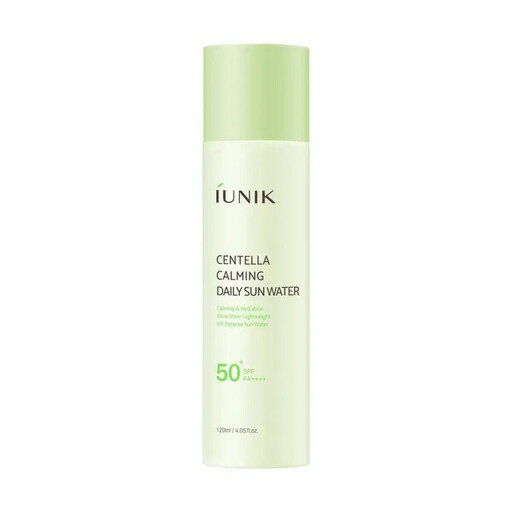
Why this fits the profile: The watery texture and 120 ml content are practical for anyone who uses a lot of product daily or applies multiple thin layers.
The product information states a fragrance-free, non-sticky formula with no white cast. According to the same information, the product is not water-resistant; reapplication is needed after swimming or heavy sweating.
SPF 50+ PA++++, 120 ml, hyaluronic acid and allantoin according to the ingredients list, with a lightweight water texture.
We’ve put together a full, up-to-date list of products that fully meet these strict selection criteria and comply with current European safety regulations.
Use enough product to cover your face, ears and neck evenly. A common practical guideline is about two finger-lengths for face and neck combined. Apply in two thin layers if the formula is otherwise difficult to spread.
Yes, various lightweight formulas are intended for daily use and are described in product descriptions as suitable under make-up. Let the sunscreen absorb fully first and don’t rub the skin for too long. If pilling occurs, the combination with your serum, moisturiser or foundation could be the cause.
The shelf life is stated on the packaging. Look for the open-jar symbol, for example 12M, and store the product in a cool place away from direct sunlight. Has the smell, colour or texture changed? Then stop using it. Always check the expiry date and batch information on the packaging for each product.
