
Vandaag of morgen in huis

Kwaliteit gegarandeerd

Welkomstaanbiedingen ontgrendelen: GRATIS bezorging | Tot 80% korting | Gratis 30 dagen JoyPlus-proefperiode
Download de app
By the Joybuy Product Recommendation Officer
Finding a sunscreen that feels comfortable on the skin can be a real challenge. Many people know the frustration: a thick, sticky layer that leaves a white cast or irritates the skin. The search can be especially discouraging if you have sensitive or acne-prone skin. Fortunately, Korean sunscreens often provide the perfect solution. These products, also known as K-beauty sunscreen, are renowned for their lightweight, comfortable formulas that offer protection without the usual drawbacks.
In this article, we'll guide you through the process. We'll discuss what to look for when making your choice and highlight several popular options that cater to different skin needs. This will help you make an informed decision that's right for your skin.
The right sunscreen is a personal choice. What works for one person may not be suitable for another. Here are a few practical points to consider to help you choose.
Sunscreens use filters to protect the skin from UV radiation. There are two main types:
sunscreen without a white cast behind.sunscreen for sensitive skin because they are less likely to cause irritation. Newer formulas have been greatly improved, but can sometimes still leave a slight white cast.Korean sunscreens often contain additional skincare ingredients. Look for components that suit your skin:
sunscreen for acne.Based on product specifications and popular formulas, we have selected a few Korean sunscreens that cater to specific needs.
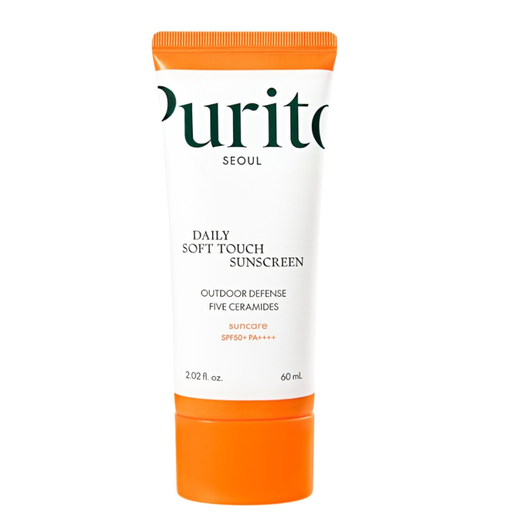
Why It Stands Out This vegan sunscreen combines high protection (SPF 50+ PA++++) with a formula focused on strengthening the skin barrier. The addition of five types of ceramides makes it a hydrating and restorative option.
Benefits
Who Is It For? Ideal for those with normal to sensitive skin looking for a reliable, hydrating sunscreen for daily use and an active lifestyle.
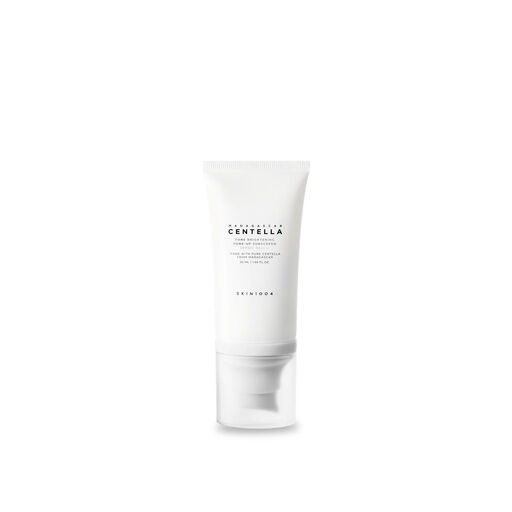
Why It Stands Out This is more than just a sunscreen. Its formula has a light, peach-coloured tint that instantly brightens and evens out the skin tone, making it an excellent base for makeup or for a natural look on its own.
Benefits
Who Is It For? Perfect for those who want to combine protection with light tone correction. Suitable for normal, sensitive, and combination skin types desiring a radiant, even finish.
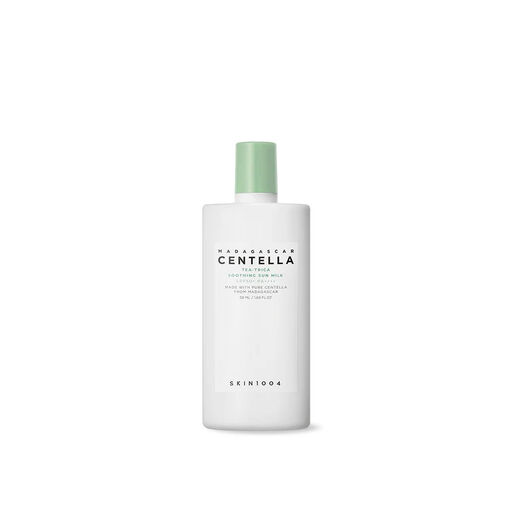
Why It Stands Out This sun milk is specifically formulated for blemish-prone and sensitive skin. Its non-comedogenic formula with tea tree and centella asiatica focuses on soothing irritation without clogging pores.
Benefits
sunscreen for acne.Who Is It For? An excellent choice for those with oily, combination, or acne-prone skin who are looking for a lightweight, soothing, and non-clogging sunscreen.
Sunscreen is a crucial step in any skincare routine, but hydration is just as important. If you're looking for a nourishing day or night cream to complement your sun protection, there are countless other options that can support your skin.
Explore our collection of Gender-Neutral Creams for more hydrating and nourishing products suitable for various skin types.
1. What is the difference between Korean and Western sunscreen? The biggest difference often lies in the texture and feel on the skin. Korean sunscreens are known for their lightweight, cosmetically elegant formulas that absorb quickly without leaving a white cast or sticky residue. Additionally, they often contain extra skincare ingredients targeted at specific concerns like hydration or soothing.
2. Can I use Korean sunscreen every day? Yes, absolutely. These products are specifically designed for daily use. It is recommended to apply sunscreen as the final step in your morning routine, after your moisturiser and before any makeup.
3. Is a higher SPF always better? A higher SPF offers more protection, but the difference becomes marginal as the number increases. SPF 30 filters about 97% of UVB rays, while SPF 50 filters about 98%. More important than an extremely high SPF is applying the product consistently and generously, and reapplying it every two hours when exposed to the sun, or after swimming or sweating.
