
Vandaag of morgen in huis

Kwaliteit gegarandeerd

Welkomstaanbiedingen ontgrendelen: GRATIS bezorging | Tot 80% korting | Gratis 30 dagen JoyPlus-proefperiode
Download de app
When buying Korean spicy noodles and sauces, shoppers often focus mainly on the number of chillies shown on the packaging or familiar names such as Samyang Buldak and Shin Ramyun. However, that does not tell you everything. One sauce may be intended as a dip, while another is designed as a marinade. Some noodles also contain considerably more salt or allergens, or come in larger portions than you might expect from the packaging.
This buying guide compares Korean instant noodles, Korean ramen, spicy sauces and ready-made snacks based on factors that genuinely make a difference in a British household.
“Hot chicken”, “volcano” and “extra spicy” usually refer to a strong chilli experience, but they do not represent a standardised heat scale. As a result, a sweet and spicy Korean sauce may taste milder than a dry noodle seasoning, even though both are described as spicy.
So don’t rely on marketing copy alone. Check whether the ingredients list includes chilli extract, red pepper, gochujang or other spicy ingredients. Start with a small amount of sauce and add more later.
A box of 20 Shin Ramyun portions can offer good value for students, shared households or a well-stocked cupboard. For someone who wants to vary their meals, such a large pack may be inconvenient. Pay attention to:
A multipack is only practical if it matches your consumption.
Korean ramen often contains wheat, gluten and soya. Depending on the flavour, it may also contain milk, celery, sesame, egg, fish or crustaceans. Samyang Buldak Carbonara lists gluten, soya and milk among its ingredients. Some Nongshim products also mention possible traces of several allergens.
Always read the current label on the packaging. Product information on a website may change and does not replace the label.
Instant noodles vary in how they are prepared. Shin Ramyun is made as a noodle soup using boiling water, seasoning powder and dried vegetables. Paldo Volcano Chicken Noodle, on the other hand, is a stir-through or mixed noodle dish: the noodles are boiled, rinsed with cold water and then mixed with the sauce. This creates a different texture and less broth.
So check:
For a quick meal in student accommodation, a straightforward preparation process is usually more important than a long ingredients list.
A squeeze bottle of sauce works well with noodles, rice, chicken and vegetables, as well as being used as a dip. A sauce sachet supplied with instant ramen is usually formulated for one portion. Check what the product is intended for:
Also check the sugar and salt content. For example, Sempio Korean Fried Chicken Sauce Sweet & Spicy contains 29 grams of sugar and 3.1 grams of salt per 100 grams. This makes it suitable for a bold flavour, but it is still wise to use it in moderation.
Dry noodles and sauces should generally be stored in a cool, dry place away from direct sunlight. Once opened, the packaging should be sealed properly; some sauces need to be refrigerated after opening. Frozen products such as Rengi Korean Fried Chicken must remain frozen until preparation. Check the temperature instructions on the label and do not refreeze a thawed product if the packaging advises against it.
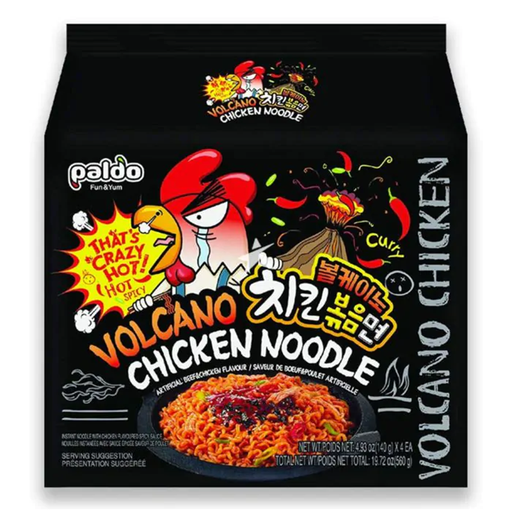
Why it suits this profile: A four-pack lets you try Korean ramen without immediately buying a large stockpile. The noodles are mixed with sweet and spicy seasoning.
The preparation instructions clearly state that the noodles should be rinsed in cold water after cooking and then mixed with the sauce. This means you won’t mistake them for soup noodles.
Four 140-gram packs; clear preparation instructions with a cooking time of 3 to 4 minutes.
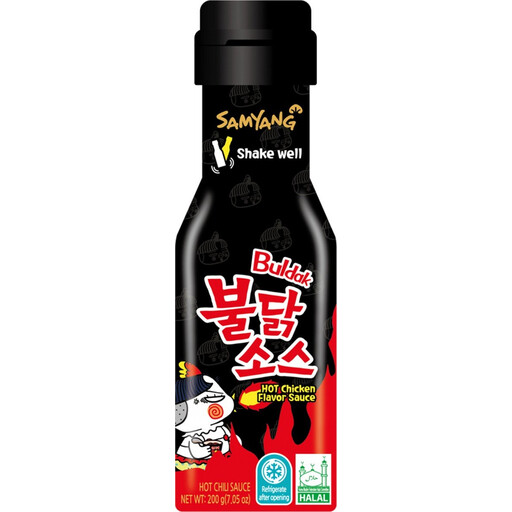
Why it suits this profile: This squeeze bottle is ideal for home cooks who want to use one spicy Korean sauce in different ways: as a dip, marinade or addition to noodles.
The sauce can be measured out, allowing you to adjust the heat for each dish rather than using a full portion of seasoning straight away.
165 ml in a squeeze bottle; suitable as a dip, marinade and cooking sauce.
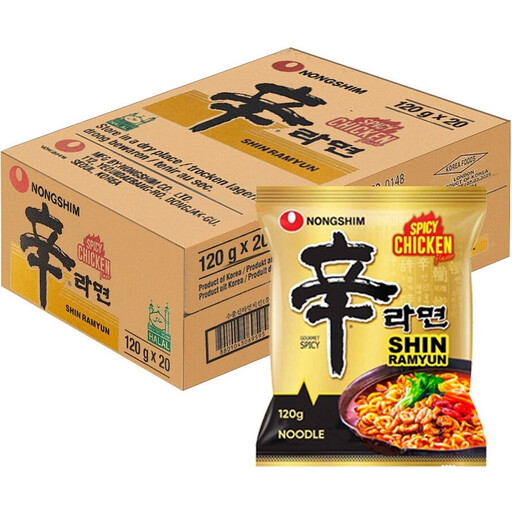
Why it suits this profile: The box of 20 portions is designed for frequent use, for example in a student house, large household or cupboard stocked with quick meals.
The portion size and total quantity are clearly stated. This lets you work out in advance whether 20 packs suit your consumption.
20 portions of 120 grams; noodle soup with dried vegetables and a flavourful broth.
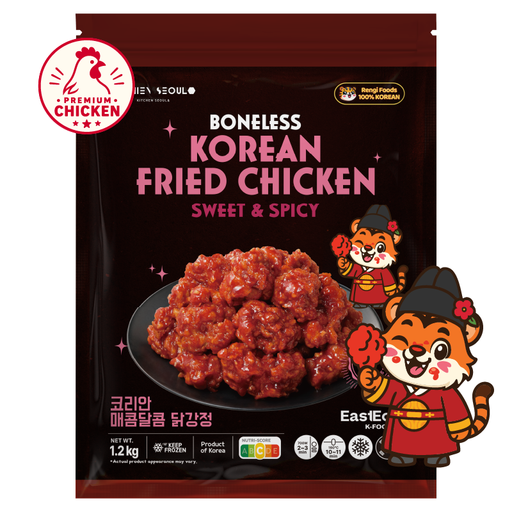
Why it suits this profile: This ready-made chicken, already coated in sauce, is designed for preparation in an air fryer or oven and is ideal for a family or dinner party when preparation time is limited.
The preparation method and frozen storage requirements are clearly stated. You don’t need to buy a separate marinade or sauce.
1.2 kg family pack; already coated in sweet and spicy sauce; suitable for an air fryer or oven.
We’ve put together a complete, up-to-date list of products that fully meet these strict selection criteria and the applicable European safety regulations.
Fans of Samyang Buldak Carbonara can choose between individual sauces and multipacks of noodles. The sauce is useful when you want to control the amount yourself or add flavour to rice, chicken and stir-fried vegetables too. According to the product information, the noodles contain wheat, soya and milk, among other ingredients. Always check the label if you have an allergy or intolerance.
For a wider selection, you can also explore Korean snacks such as rabokki, chicken hot dogs and ready-made fried chicken. Delief Carbo Hot Chicken Flavor Rabokki combines rice cakes, pasta and a spicy, creamy flavour in one pack. Rengi Korean-Style Chicken & Corn Hot Dogs are supplied frozen and contain gluten, soya and celery, among other ingredients.
Start by using only part of the sauce or seasoning sachet, then add more later. You can also add extra noodles, rice, egg, vegetables or a creamy ingredient. However, check the allergens before combining ingredients.
Dry Korean ramen is practical for keeping in the cupboard, provided you check the best-before date, dry storage conditions and the quality of the packaging. A large multipack makes the most sense when several people regularly eat noodles.
Buldak noodles are usually mixed with a concentrated sauce and very little broth. Shin Ramyun is generally a noodle soup with seasoning, vegetables and broth. Choose Buldak for a dry, intense sauce experience and Shin Ramyun for a warming bowl of ramen.
