
Vandaag of morgen in huis

Kwaliteit gegarandeerd

Welkomstaanbiedingen ontgrendelen: GRATIS bezorging | Tot 80% korting | Gratis 30 dagen JoyPlus-proefperiode
Download de app
Korean SPF50 sunscreen can feel pleasantly lightweight, work well under make-up and provide extra hydration at the same time. However, attractive packaging does not tell you everything. If you focus mainly on a glossy finish, a long ingredients list or the word “moisture”, you could end up buying a product that does not suit your skin or daily routine.
These three pitfalls are common:
SPF50 or SPF50+ refers mainly to protection against UVB radiation. UVB is the type of radiation that can cause sun-induced redness, among other effects. Also check the UVA information. Korean products often use PA+++ or PA++++. Within this system, PA++++ indicates a high level of UVA protection, but this rating is not exactly the same as the European UVA marking.
When buying in the Netherlands, it is sensible to check that:
A product labelled SPF50+ PA++++ sounds appealing, but the actual level of protection also depends on applying a sufficiently thick, even layer and reapplying regularly.
A lightweight sunscreen without a white cast is usually practical for everyday use and under make-up. Gel, serum and lotion textures often absorb more quickly than thicker creams. Do bear in mind the difference between a fresh finish and a matte finish.
Ingredients such as Centella asiatica, niacinamide and allantoin are often used in K-beauty sunscreens. Describe them as formula features, not medical effects. According to the product descriptions of some brands, these ingredients are intended to help the skin feel comfortable or hydrated.
A 50 ml bottle is suitable for everyday use on the face, but it will run out more quickly if you also apply it to your neck, ears and arms. A 12 or 15 ml mini is handy for a handbag or short trip, but less economical for long-term everyday use.
You should only expect water resistance when it is clearly stated on the packaging or product page. The product description for Shiseido Anessa Perfect UV Sunscreen Skincare Milk SPF50+ 12ml mentions a lightweight texture and water resistance. This is not stated for the other products in this selection. Reapply sunscreen after swimming, sweating or drying yourself, and always follow the instructions on the packaging.

Why it suits this profile: The 50 ml packaging and lightweight cream formula are suited to everyday use on the face. According to the product description, the formula contains 30% rice extract and ferments.
The product description mentions a lightweight texture without a white cast or sticky feel. When it arrives, however, check the current packaging and ingredients list.
50 ml; lightweight, hydrating texture according to the product description; suitable for incorporating into a daily routine.

Why it suits this profile: According to the product description, this compact milk is designed to offer high sun protection, a lightweight texture and water resistance. Its small size is practical for use on the go.
The product information mentions water resistance, so you do not automatically have to choose a heavy formula. Reapplication is still necessary after swimming or drying yourself.
SPF50+; 12 ml; lightweight milk texture; water resistance according to the product description.
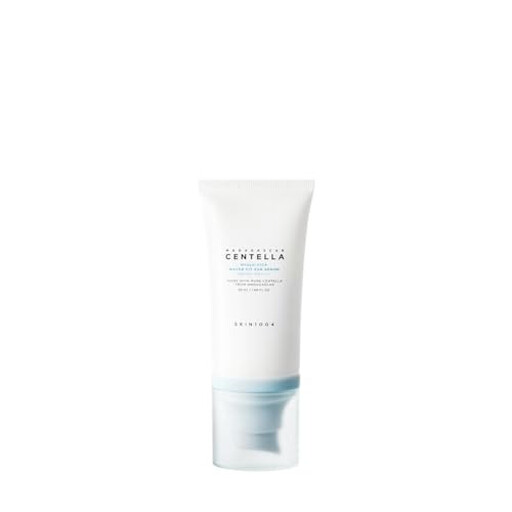
Why it suits this profile: According to the product description, the serum texture is ultra-light and absorbs quickly. This makes it a practical choice for users who want to reapply during the day.
According to the ingredients list, the formula contains Centella asiatica, glycerine and hyaluronic acid components, among other ingredients. If you have sensitive skin, always check the full list.
50 ml; SPF50+ according to the product description; lightweight serum texture; Centella and hyaluronic acid components in the ingredients list.
We have compiled a complete, up-to-date list of products that fully meet these strict selection criteria and the applicable European safety regulations.
Apply the Korean sunscreen as the final step in your skincare routine, before make-up. Spread the sunscreen over your face, ears and neck. Applying too little product significantly reduces the level of protection. Allow the formula to absorb briefly before applying foundation or concealer.
Reapplication is important during prolonged exposure to the sun. Do this approximately every two hours, and sooner after swimming, exercising, sweating or drying yourself. A product that is not labelled as water-resistant should not be treated as though it is.
When choosing sunscreen for sensitive skin, look out for potential fragrances, essential oils and alcohol. For example, the Centella Sun Cream 50g lists alcohol, lavender oil, linalool and geraniol among its ingredients and is described as not water-resistant. These are points to check, not reasons to advise everyone against the product.
It can be, provided the product is intended for the face, has a clear SPF rating and you use it according to the instructions. Choose a texture that you can apply generously and are happy to reapply. A lightweight K-beauty sunscreen that feels comfortable can therefore be more practical than a product you skip because of its heavy finish.
Check the jar or PAO symbol and the expiry date on the packaging. Store sunscreen in a cool place away from direct sunlight. A change in smell, colour or texture is a reason to stop using the product. Shelf life varies by product and cannot reliably be determined based on size alone.
Yes, many lightweight formulas are designed for this, but the result depends on how they work with your serum, moisturiser and make-up. Allow each layer to absorb briefly and avoid rubbing the skin for too long. A product description may state that a product is “suitable under make-up”, but test the combination at home before using it for a long day.
