
Vandaag of morgen in huis

Kwaliteit gegarandeerd

Welkomstaanbiedingen ontgrendelen: GRATIS bezorging | Tot 80% korting | Gratis 30 dagen JoyPlus-proefperiode
Download de app
Korean SPF50 sunscreen can be a comfortable choice for everyday use, particularly if you are looking for a lightweight texture, a hydrating finish or a formula without a white cast. However, not every product with attractive, popular packaging will suit your skin or your intended use.
The main pitfalls often have less to do with the protection level stated on the label and more to do with the texture, ingredients and conditions in which you use it.
SPF mainly indicates protection against UVB rays. For UVA protection, you should also look for UVA, PA++++ or another broad-spectrum indication. A high SPF also does not mean you can skip reapplying.
When buying, always check:
A watery sunscreen can feel comfortable on combination or oily skin, while a matte mineral sunscreen may be more suitable if you want to reduce shine. Conversely, alcohol, fragrance or essential oils may be less comfortable for some sensitive skin types.
Look beyond words such as ‘glow’, ‘airy’ or ‘velvet’. Check the full ingredients list and consider the properties you want:
An ingredient does not guarantee a particular skin feel. Tolerance varies from person to person. Always test a new product on a small area of skin first.
Terms such as ‘soothing’, ‘pore-refining’, ‘anti-ageing’ and ‘48-hour hydration’ regularly appear in product descriptions. Such claims may have been established under certain conditions through a brand’s own research or a test cited by the brand, but they do not automatically predict your personal results.
For an objective comparison, verifiable details are more useful: SPF, UVA indication, filter type, volume, fragrance, water resistance and recommended application.
For everyday SPF 50 sunscreen for the face, SPF50 or SPF50+ is a practical choice. Apply enough to your face, ears and neck. Applying too thin a layer reduces protection compared with the value stated on the label.
Apply sunscreen as the final step in your morning routine. Reapplication is necessary during prolonged exposure, particularly after sweating, swimming or drying yourself. Always follow the specific instructions for the product.
A mineral sunscreen generally uses zinc oxide and/or titanium dioxide. These formulas may suit users who prefer mineral filters, but a slight white cast is possible. Blending it in thoroughly or choosing a tinted version can help minimise this.
Chemical filters absorb UV radiation and can often be formulated with a thinner texture. As a result, they frequently provide a lightweight, invisible finish. A hybrid formula combines both approaches. None of these categories is automatically suitable for everyone; the skin feel and ingredients list determine how well it suits you in practice.
Think about when you will use the sunscreen:
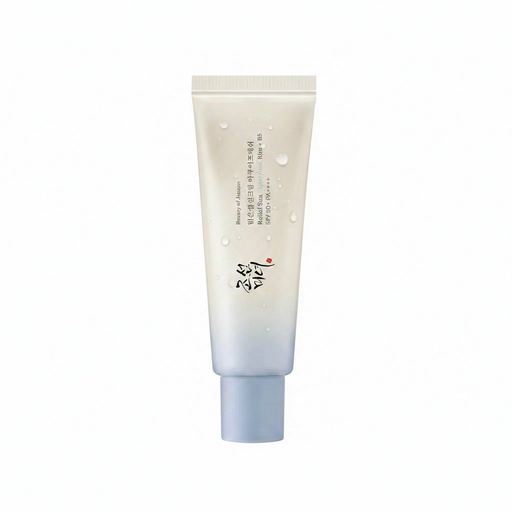
Why it suits this profile: According to the product information, the lotion-like texture is lightweight, absorbs quickly and is designed for everyday use on the face. The tube contains 50 ml.
The product description states SPF 50+ and PA++++, as well as a fragrance-free formula without a white cast. However, check the current packaging and ingredients list before buying.
Rice water and panthenol are listed; the formula is described as lightweight and hydrating, and suitable for use under make-up.
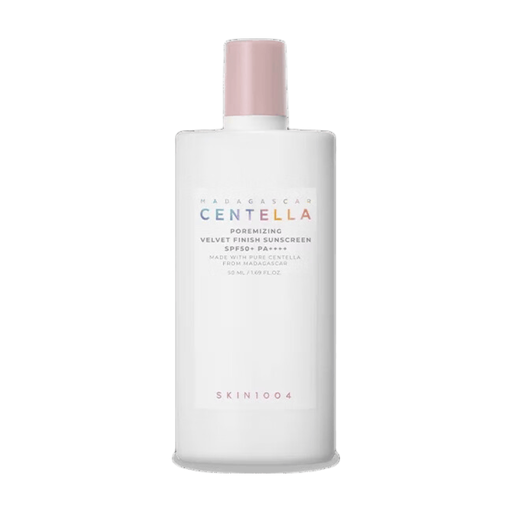
Why it suits this profile: This 50 ml formula combines mineral filters, including zinc oxide and titanium dioxide, with a velvet finish and iron oxides in the ingredients list.
The product information mentions even application and building up in thin layers. With mineral filters, blending carefully remains important to minimise a visible cast.
Mineral UV filters, niacinamide and centella asiatica are listed in the ingredients; according to the product name, the finish is velvety.

Why it suits this profile: The product description states SPF50+, a lightweight milk texture and water resistance. This makes it an interesting option for outdoor activities and travel.
The product information explicitly mentions water resistance. Reapplication is still necessary after swimming, sweating or drying yourself.
SPF50+, milk texture, 12 ml travel size and water resistance according to the product description.

Why it suits this profile: The product information states SPF50+ PA+++, 30% rice extract, ferments and a lightweight cream formula for everyday use.
The stated fragrance-free formula and focus on hydration make this an uncomplicated choice for anyone looking for a comfortable everyday sunscreen.
50 ml volume, fragrance-free according to the product details, with a hydrating focus featuring rice extract and glycerine.
We have put together a complete, up-to-date list of products that fully meet these strict selection criteria and the applicable European safety regulations.
Also check the expiry date and batch number on the packaging. Store sunscreen in a cool, dry place away from direct sunlight. It is best not to use an opened tube if the product develops a different smell, separates or changes texture.
That depends on the formula. For oily or combination skin, choose a lightweight milk, gel-cream or velvet finish. Ingredients such as silica may help create a less shiny skin feel according to the product formula, but results vary from person to person. Do not apply more product than necessary to create an even layer of protection.
During ongoing exposure, approximately every two hours is a practical guideline. Reapply after swimming, heavy sweating or drying yourself with a towel. Water resistance does not mean the protection will remain effective indefinitely.
Check the expiry date and any period-after-opening information on the packaging. Store the tube away from direct sunlight and high temperatures. If the smell, colour or texture changes, replacing the product is advisable, even if the expiry date has not yet passed.
