
Vandaag of morgen in huis

Kwaliteit gegarandeerd

Welkomstaanbiedingen ontgrendelen: GRATIS bezorging | Tot 80% korting | Gratis 30 dagen JoyPlus-proefperiode
Download de app
Korean SPF50 facial sunscreen can feel pleasantly lightweight, sit well under make-up and contain extra hydrating ingredients. But glossy packaging or the word “serum” tells you little about whether it suits your skin. The right choice depends above all on the UV rating, formula, texture and ingredient list.
SPF mainly indicates protection against UVB rays. UVA protection is also relevant for daily facial skincare. Korean products often show this as PA+, PA+++ or PA++++. Within this system, a higher PA rating indicates greater UVA protection, but PA is not exactly the same as the European UVA marking.
So always check the full product information. A facial sunscreen with SPF50 and a lower PA rating may be a different choice from a product with SPF50+ and PA++++, particularly if you spend a lot of time outdoors.
A watery gel may feel pleasant on oily or combination skin, but a more richly hydrating sunscreen may feel more comfortable on dehydrated skin. Conversely, a formula containing several oils, alcohol or a heavy mineral base may feel less comfortable if your skin gets shiny quickly.
You shouldn’t take “suitable for sensitive skin” as a guarantee either. Check the INCI list for ingredients you’ve reacted to before, such as fragrance, essential oils, alcohol or certain UV filters.
Tone-up sunscreen often contains mineral filters, pigments or colour-correcting ingredients. These can make your complexion look more even, but may also leave a slight cast or cause a colour difference. If you have dark or olive-toned skin, it’s a good idea to test the product along your jawline first.
If you want a lightweight sunscreen without a white cast, check both the product description and customer experiences. No white cast doesn’t automatically mean a product will be completely invisible on every skin tone.
Many consumers choose SPF50 or SPF50+ for everyday use on the face. The protection is only effective if you apply enough product. A thin layer under make-up won’t necessarily provide the protection stated on the packaging.
Apply sunscreen as the last step in your morning routine, before make-up. Reapply after prolonged exposure, sweating, swimming or drying yourself. Always follow the instructions on the packaging. A product for your daily commute isn’t necessarily water-resistant enough for the beach or sports.
Ingredients such as Centella Asiatica, aloe vera, panthenol and allantoin are often used in soothing formulas. According to brands’ product information, these ingredients may help your skin feel comfortable. This isn’t a medical effect and doesn’t replace advice from a doctor or dermatologist.
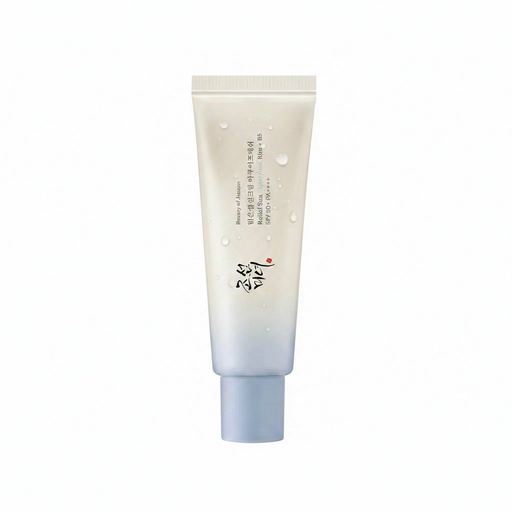
Why it suits this profile: The product information states SPF50+ PA++++, a lightweight texture and suitability for use under make-up. According to the ingredient list, the formula contains rice extract, niacinamide and glycerine.
The choice isn’t based on SPF alone: it also takes into account the UVA rating, texture and whether the product can be worn under make-up.
SPF50+ PA++++, fragrance-free according to the product details, and a 50 ml cream formula.
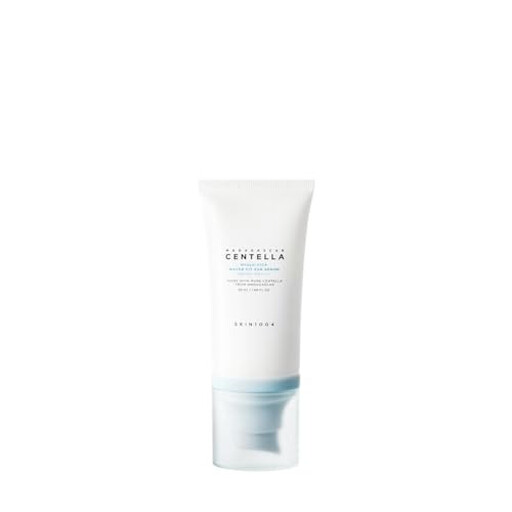
Why it suits this profile: The product description states SPF50+ and describes a serum-like, fast-absorbing formula with Hyalu-Cica and Centella. It’s a good fit if you want to combine hydration with a lightweight finish.
The product information specifically mentions a non-sticky feel and no white film. Check whether the stated PA rating meets your UVA protection needs.
SPF50+, 50 ml, a lightweight serum texture, and Centella plus hyaluronic acid according to the product description.
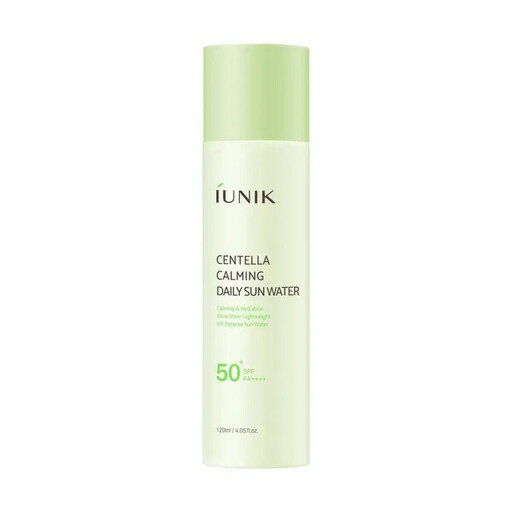
Why it suits this profile: The product information describes a watery texture, a 120 ml size and SPF50+ PA++++. According to the brand description, the formula isn’t water-resistant, so it’s especially important to reapply when swimming or doing intense exercise.
Its limited water resistance isn’t hidden. That means you can choose it specifically for your daily commute, rather than assuming it’s suitable for swimming too.
120 ml, SPF50+ PA++++ and a lightweight watery texture with Centella, panthenol and hyaluronic acid according to the ingredient list.
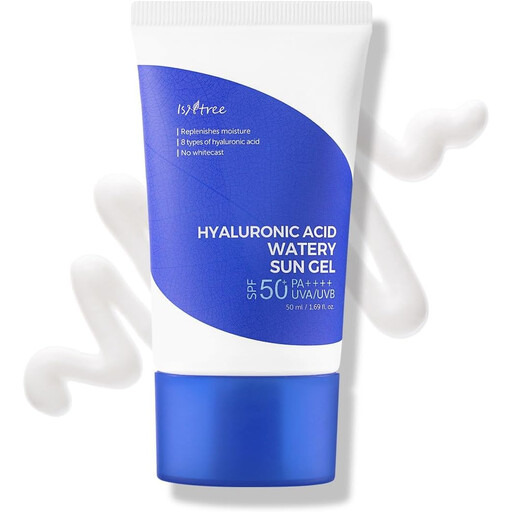
Why it suits this profile: The product information states SPF50+ PA++++, eight types of hyaluronic acid and a gel texture. It’s a logical option if you’re looking for daily protection that leaves your skin feeling hydrated.
The gel isn’t judged on a “watery” marketing term alone: SPF, PA rating, fragrance-free formula according to the description, and ingredients are all considered together.
SPF50+ PA++++, 50 ml, eight types of hyaluronic acid and a lightweight formula for use under make-up, according to the product information.
We’ve put together a full, up-to-date list of products that meet these strict selection criteria and the applicable European safety regulations.
Check the current packaging and ingredient list before buying. Formulas can change, and the information on the packaging takes precedence.
It depends on the formula and the person. If you have sensitive skin, it’s best to choose a product without ingredients you’ve reacted to before. If in doubt, do a patch test first. Brand claims such as “soothing” or “suitable for sensitive skin” aren’t a guarantee for every user.
Check the expiry information and symbol on the packaging. Store the tube or bottle somewhere cool and dry, away from direct sunlight. Don’t use a product if its smell or texture changes, or if it visibly separates.
Yes. According to their product descriptions, several products in this selection are intended for everyday use and to be worn under make-up. Apply enough sunscreen, let it sink in briefly, and test beforehand to make sure it doesn’t pill when combined with your primer or foundation.
