
当日/次日达

品质保障

开启新人专享福利: 全场免邮 | 低至 2 折 | 免费试用 30 天 JoyPlus 会员
下载 Joybuy
Korean SPF50 facial sun cream can feel comfortable, sit well under make-up and contain additional moisturising ingredients. However, attractive packaging or a popular name does not guarantee that a formula will suit your skin or daily routine. The right choice starts with the level of sun protection, the ingredients list and how you use the product.
SPF mainly indicates protection against UVB radiation. For UVA protection, you should also look for a clear UVA indication, such as PA++++ on Korean products or a UVA symbol on products marketed in accordance with the European market. A high SPF does not mean you can skip reapplying.
A gel, serum or thin lotion may feel comfortable, but that does not automatically mean the sun cream is water- or sweat-resistant. Always check the product information. If water resistance is not mentioned, do not assume the product is suitable for swimming, exercise or prolonged sweating.
Centella, aloe, rice extract and panthenol are popular ingredients in K-beauty sun cream. They can contribute to a pleasant skin feel, but they do not replace a full assessment of the formula. A product containing fragrance, alcohol, essential oils or colour pigments may be less suitable for some users, even if it is marketed for sensitive skin.
If your skin is prone to redness or sensitivity, a patch test is advisable. Stop using the product if irritation occurs and avoid contact with the eyes.
For daily use on the face, many consumers choose SPF50 or SPF50+. Also check the UVA indication. Products with PA++++ are designed to provide a high level of UVA protection within the Korean classification system. When buying in the Netherlands, also check the labelling, ingredient information and instructions for use supplied with the packaging.
Facial sun cream should be applied as the final step of your skincare routine. Use enough product for your face and neck. A thin layer will not necessarily provide the level of protection stated on the packaging.
The texture determines whether you will continue using a product every day:
A “lightweight sun cream without a white cast” will not necessarily look the same on every skin type. Test the finish in daylight and check whether the product works well with your moisturiser and make-up.
Do not focus on just one active ingredient; look at the complete INCI list. For example, the Birch Juice formula contains glycerine, niacinamide, sodium hyaluronate and hydrolysed hyaluronic acid. These are verifiable formula details, but they do not guarantee a particular result for your skin.
For sensitive skin, denatured alcohol, fragrance and essential oils may be worth considering carefully. For example, the Centella Sun Cream lists alcohol and lavender oil, alongside linalool and geraniol. This does not automatically make the product unsuitable, but a patch test is especially important.
A 50 ml size is practical for everyday use. Mini sizes of 12 or 15 ml are handy for a handbag or travelling, but may work out more expensive per millilitre. A twin pack can be good value if you reapply the product regularly.
The choices below are based on the stated product specifications, size, filters, texture and ingredients. Always check the current packaging and product page before buying.

Why it suits this profile: An accessible everyday option for anyone looking for SPF50+ and a moisturising, fragrance-free cream that the product information states is suitable for the face.
The product information mentions a lightweight texture, 30% rice extract and a non-sticky feel. However, check for yourself whether the finish works with your make-up.
50 ml, SPF50+ PA+++ according to the product details, rice extract and fermented ingredients.
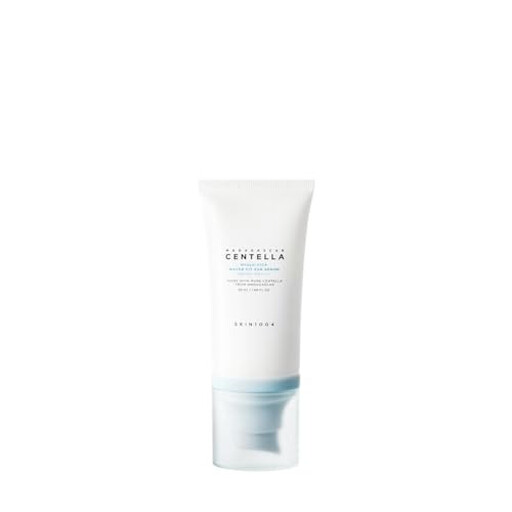
Why it suits this profile: An option for anyone looking for a serum-like, fast-absorbing facial sun cream with SPF50+ and who values a polished finish.
The stated formula combines a lightweight texture with glycerine, hyaluronic acid and Centella Asiatica. The product description does not mention a sticky finish.
50 ml, SPF50+ and PA+++ according to the product information, with Centella and several forms of hyaluronic acid.

Why it suits this profile: The compact size is practical for use on the go, for example during the commute, a day outdoors or reapplying throughout the day.
The product information mentions a water-resistant milk texture. Check the current packaging for the precise duration of use and reapply after swimming or heavy sweating.
12 ml, SPF50+ and a compact size; according to the product description, the formula is water-resistant.
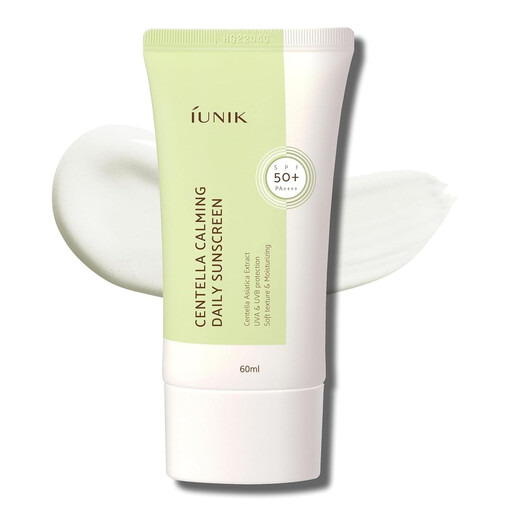
Why it suits this profile: The product description states that it is fragrance-free, has a non-sticky finish and is suitable for everyday use under make-up.
The stated features focus on a lightweight formula without a white cast and without fragrance. If you have sensitive skin, still test it on a small area first.
60 ml, SPF50+ PA++++, Centella in the product positioning and fragrance-free product information.
We have put together a complete, up-to-date list of products that fully meet these strict selection criteria and the applicable European safety regulations.
A moisturising sun cream can complement a day cream, but it will not always replace one. If you have dry skin, you may need an additional moisturiser. For oily skin, a thin layer often feels more comfortable than several heavy skincare products.
That depends on the formula and your skin type, not just the country of origin. Check the SPF, UVA indication, ingredients, fragrance and texture. If your skin is sensitive or prone to redness, a patch test is advisable.
Follow the expiry date and the symbol on the packaging. Do not store the product for long periods in a hot car or in direct sunlight. If the smell, colour or texture changes, stop using it.
Apply a generous, even amount to your face and neck. Using too little product reduces the actual level of protection. When outdoors, swimming, sweating or drying yourself, reapply, even if the sun cream is labelled SPF50+.
