
Vandaag of morgen in huis

Kwaliteit gegarandeerd

Welkomstaanbiedingen ontgrendelen: GRATIS bezorging | Tot 80% korting | Gratis 30 dagen JoyPlus-proefperiode
Download de app
SPF 50 face sunscreen needs to do more than offer a high level of protection. You also need to want to use it every day. A greasy film, stinging eyes or make-up that pills can quickly put you off applying enough or reapplying when you should.
When it comes to Korean sunscreens and other face sunscreens, there are three common pitfalls to watch out for:
SPF 50 or SPF 50+ mainly indicates protection against UVB rays, which can cause redness and sunburn. UVA protection matters for everyday use too. So look for:
A product description may state SPF 50+ PA++++, but always check the packaging and latest ingredient information when you buy. Manufacturers may change their formulas.
For oily or combination skin, a non-greasy sunscreen with a gel, water-based or fluid texture is often more comfortable. A creamy or hydrating sunscreen may suit dehydrated skin better.
Look out for these practical terms:
An ingredient list can’t guarantee that a product will feel comfortable for everyone. Test a new sunscreen for sensitive skin on a small area first, and stop using it if irritation occurs.
The label “not water-resistant” matters if you cycle, exercise, swim or work outdoors a lot. An everyday product for your commute doesn’t need the same properties as a sunscreen for a day at the beach.
You’ll need to apply plenty to your face and neck. Always follow the product’s instructions. Many brands recommend about two finger lengths for the face and neck, but packaging instructions can vary. Apply sunscreen as the last step in your morning routine, before make-up. Reapply if you’re in the sun for a long time, especially after sweating, swimming or towel-drying.
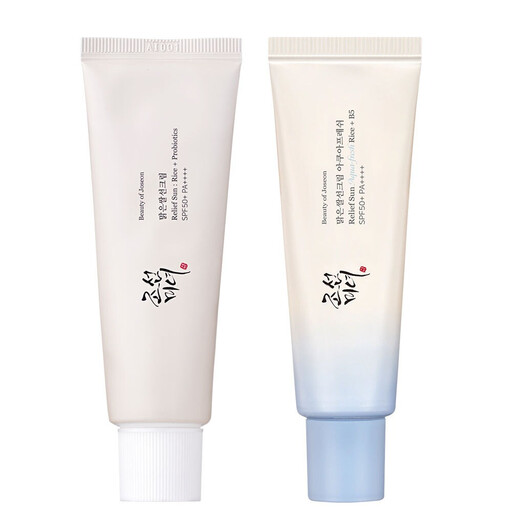
Why it suits this profile: The set contains two 50 ml options, making it handy if you use sunscreen every day or want to keep a tube in more than one place.
According to the product description, the formulas are lightweight, non-sticky and designed to wear under make-up. Check which option you’ll receive and what the current packaging says.
Two 50 ml tubes; rice extract and fermented grain extracts are listed in the description as hydrating ingredients.
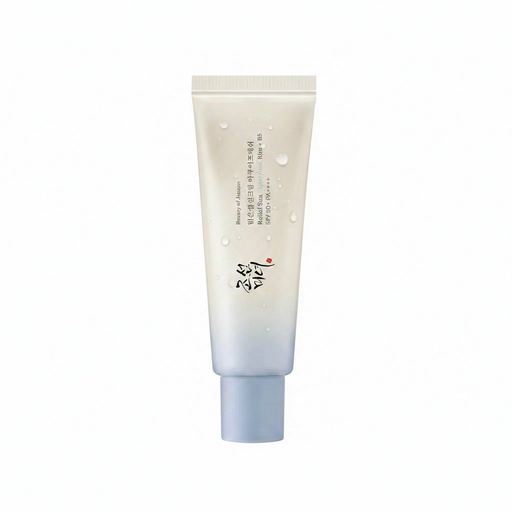
Why it suits this profile: The watery lotion texture is designed for anyone looking for a lightweight, hydrating sunscreen that fits easily into a daily skincare routine.
According to the product information, the formula absorbs quickly and leaves no white cast or greasy residue. Your experience may vary depending on your skin type and how much you apply.
SPF 50+ PA++++ according to the product listing; rice water and panthenol are listed as hydrating and soothing ingredients.
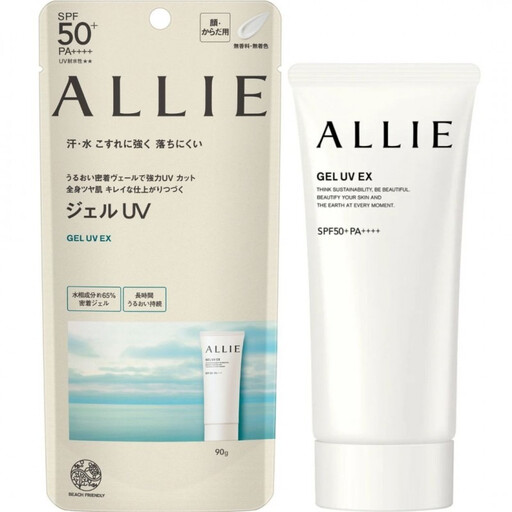
Why it suits this profile: The larger pack and gel texture make it a good fit for outdoor activities, sport or sharing with others.
According to the product description, the formula is water- and sweat-resistant. Check the instructions and reapply after swimming, sweating or towel-drying.
SPF 50+ PA++++ and a 90 g size according to the product information; the description says the gel texture absorbs quickly.
We’ve put together a complete, up-to-date list of products that meet these strict selection criteria and current European safety requirements.
Yes, you can use an SPF 50 face sunscreen every day, as long as the formula suits your skin and routine. Apply enough to your face and neck, and reapply if you’re in the sun for a long time. A lightweight texture can make everyday use easier, but it doesn’t replace shade, clothing or sunglasses.
Apply skincare products in thin layers and give each one a little time to settle. Then apply an adequate amount of face sunscreen and wait again before putting on make-up. A fluid or gel formula can be more practical for this. However, pilling can also be caused by the combination of ingredients, friction or applying too much product.
Check the expiry date and the open-jar symbol on the packaging. Store sunscreen somewhere cool and dry, away from direct sunlight. Its level of protection may be less reliable if its smell, colour or texture changes significantly. Ideally, use an opened tube within the period stated by the manufacturer, and refer to the packaging for the most up-to-date information.
