
Vandaag of morgen in huis

Kwaliteit gegarandeerd

Welkomstaanbiedingen ontgrendelen: GRATIS bezorging | Tot 80% korting | Gratis 30 dagen JoyPlus-proefperiode
Download de app
A Korean SPF 50 sunscreen is often known for its lightweight texture, hydrating ingredients, and a formula that sits comfortably under make-up. However, a high SPF alone doesn't tell you whether a product suits your skin and daily routine. One sunscreen might feel comfortable, but contain too little product for regular use. Another formula might glide on nicely, but be less suitable for sensitive skin due to fragrance, alcohol, or certain filters.
As a Joybuy Product Recommendation Officer, I filter product information based on verifiable points: SPF and PA ratings, volume, UV filters, texture, usage advice, and format. This way, you can avoid the most common buying mistakes.
SPF 50+ primarily tells you about protection against UVB radiation according to the product's test method. For UVA exposure, the PA rating is what matters. PA++++ is a classification you often see on Korean sunscreens and indicates a high UVA protection category within that system.
Also, pay attention to differences between product claims. The Beauty of Joseon Relief Sun: Rice + Probiotics is described as SPF50+ PA+++, whereas the Beauty of Joseon Relief Sun Aqua-Fresh Rice + B5 is listed as SPF50+ PA++++. Always check the packaging and current product information.
A sunscreen serum or watery lotion often feels more comfortable than a thick cream. This makes it easier to apply enough daily, but a thin layer doesn't automatically mean full protection. Apply sunscreen as the last step of your skincare routine and spread it evenly over your face and neck.
Most product advice comes down to reapplying during prolonged exposure and after swimming, sweating, or towel-drying. For daily commuting, the most important thing is to choose a formula you will actually use generously and consistently.
A sunscreen without a white cast is particularly appealing for those with a transparent or medium to deep skin tone. Mineral filters, such as zinc oxide, can actually leave a slight cast. The Haruharu Wonder Black Rice Pure Mineral Sunscreen explicitly states that zinc oxide may initially give a slight white cast and needs to be worked in well.
So don't just look at marketing language. Check whether the product uses chemical, mineral, or combined UV filters and read the usage advice. If you have sensitive skin, it's wise to try a small amount on a limited area first.
For the face, many users look for a sunscreen SPF50+ with broad protection against UVA and UVB. Products like Beauty of Joseon, SKIN1004, and Haruharu Wonder list different combinations of modern UV filters. The BIRCH Juice Moisturizing Sunscreen contains, among others, Diethylamino Hydroxybenzoyl Hexyl Benzoate, Ethylhexyl Triazone, and other chemical UV filters.
An SPF or PA value is not a reason to stay in the sun longer. Avoid direct, prolonged exposure and use additional protection such as a hat or sunglasses.
Ingredients like niacinamide, centella asiatica, and rice extract are often added for their skincare benefits. According to the brand's product description, their presence doesn't automatically mean every skin type will have the same experience. Stop if you experience redness, itching, or irritation and follow the safety instructions on the packaging.
A 50 ml pack is suitable for home use and daily application to face and neck. A mini sunscreen for on the go, such as 12 or 15 ml, fits more easily in a bag but runs out faster with generous use. A sunscreen stick is practical for touch-ups without using your hands, but make sure to spread the product carefully over all exposed areas.
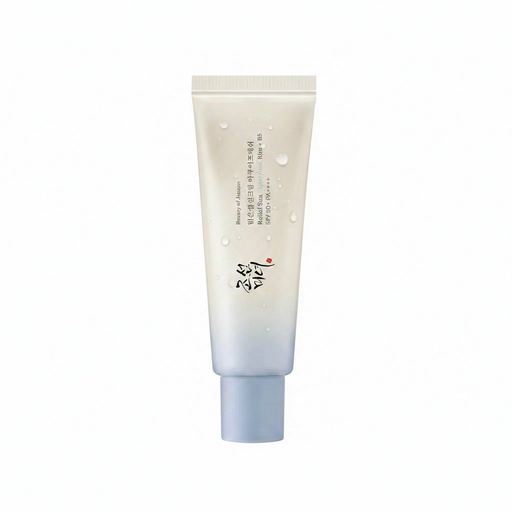
Why this fits the profile: The watery, lotion-like texture is aimed at users who value a light finish and comfort under make-up.
The description mentions SPF50+ PA++++, fast absorption, and no white cast. Always check whether these features match the packaging of your delivery.
50 ml; SPF50+ PA++++ according to product information; rice extract and panthenol; listed as fragrance-free.
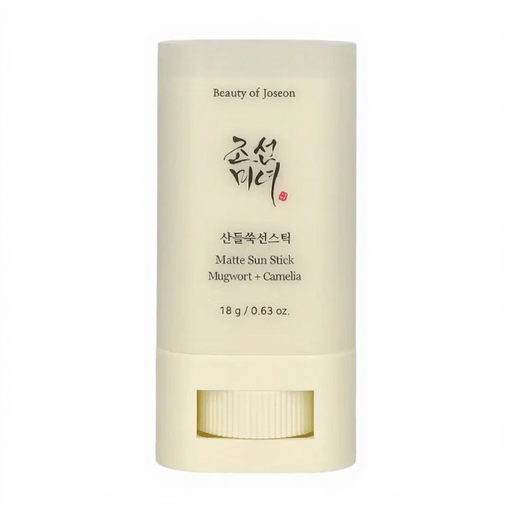
Why this fits the profile: The compact size and hands-free application are handy for reapplying while cycling, walking, or during a workday outdoors.
The stick is designed for repeated use every two to three hours. Apply several even strokes and don't use it as an excuse to skip the first generous application.
18 g; SPF50 according to product details; matte finish; compact size and hands-free application.
We've put together a full, up-to-date list of products that fully meet these strict selection criteria and comply with current European safety regulations.
That depends on the formula and your skin. Choose a product whose texture is pleasant enough to apply generously every morning. For the face, 50ml creams, serums, and lotions are practical. Avoid use on damaged or irritated skin and follow the brand's safety information.
During prolonged exposure, product information often recommends every two hours. Reapply after swimming, heavy sweating, or towel-drying. A sunscreen stick or mini sunscreen for on the go makes reapplication easier, but make sure to spread the product evenly.
A sunscreen serum usually has a light, liquid texture and fits well into a morning routine. A sunscreen stick is more compact and convenient for touch-ups on the go. A stick may be less suitable for the first application if you struggle to cover your face evenly. Also check the SPF, PA rating, volume, and ingredients list before you buy.
