
Vandaag of morgen in huis

Kwaliteit gegarandeerd

Welkomstaanbiedingen ontgrendelen: GRATIS bezorging | Tot 80% korting | Gratis 30 dagen JoyPlus-proefperiode
Download de app
A Korean SPF 50 sunscreen may seem easy to choose at first glance. Yet formulas can differ significantly in texture, filters, finish and usage recommendations. A product that feels comfortable on dry skin may feel too rich under makeup, while a matte sunscreen for oily skin may leave the skin feeling tight.
As a Joybuy Product Recommendation Officer, I therefore start with verifiable information: the stated SPF and PA ratings, ingredients, volume, water resistance and directions on the product page. This helps you avoid marketing claims that may not suit your daily routine.
SPF primarily indicates protection against UVB radiation. For everyday use, you also want information about UVA protection. With Korean sunscreen, this is often shown as PA++++. A product rated SPF 50+ PA++++ is therefore appealing if you are looking for both high UVB protection and broad-spectrum UVA protection.
Keep in mind that SPF and PA ratings do not guarantee all-day protection. Sweating, swimming, towelling off and applying too little product can reduce protection.
A sunscreen without a white cast can be comfortable on medium to deep skin tones, but the result depends on the filters, pigments and amount applied. Mineral filters such as zinc oxide and titanium dioxide may be more visible than chemical filters. A tinted formula, on the other hand, can provide subtle colour correction.
For example, the product description for Aloe Soothing Sun Cream states that the formula leaves no white cast. SKIN1004 Tone-Up Sunscreen, by contrast, is described as having a light peach tint. These are different characteristics and are not automatically suitable for every skin tone.
Ingredients such as glycerin, rice extract, panthenol, beta-glucan and hyaluronic acid can help the skin feel comfortable. That does not mean every hydrating sunscreen replaces a complete day cream. Dry skin may benefit from an additional serum or moisturiser, while this may feel excessive on oily skin.
For the face, SPF 50 or SPF 50+ is a practical choice for daily use, especially on sunny days, while cycling or when spending extended periods outdoors. Also check whether PA++++ appears on the packaging or product page if you are looking for a Korean sunscreen with a high UVA rating.
Apply sunscreen as the final step of your skincare routine, before makeup. Product pages often recommend applying it approximately 15 to 30 minutes before exposure. Reapply according to the usage instructions, for example after swimming, sweating or towelling off. The general “every two hours” guideline is particularly relevant during prolonged exposure.
Choose according to your skin type and routine:
Not every facial sunscreen is water-resistant. Anua Heartleaf Silky Moisture Suncream, for example, explicitly states that the product is not water-resistant. For the beach, sports or swimming, choose a product whose water resistance is clearly stated on the packaging. Always reapply after swimming or towelling off.
A 50 ml package is practical for daily use on the face and neck. A 15 ml mini, such as the iUNIK Centella Calming Daily Sunscreen Miniature, is more convenient for a handbag or short trip, but will run out more quickly when applied generously every day.
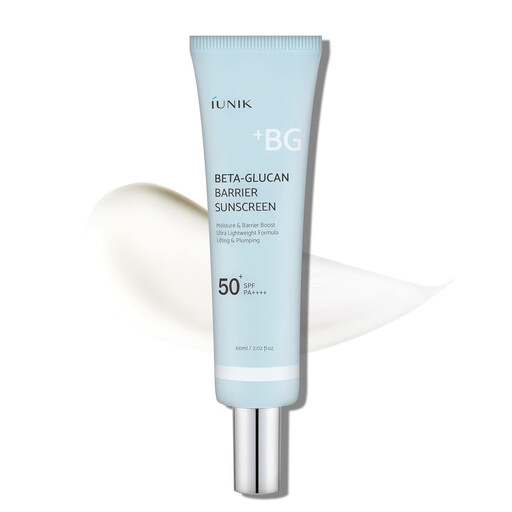
Why it works: An option for adults looking for an everyday sunscreen with SPF 50+ PA++++ and a lightweight, non-whitening finish for commuting or wearing under makeup.
The product name and description mention a matte formula and no white cast. Still, check the current packaging and ingredients list when purchasing.
SPF 50+ PA++++, listed as vegan on the product page, and designed for dry, oily and sensitive skin.
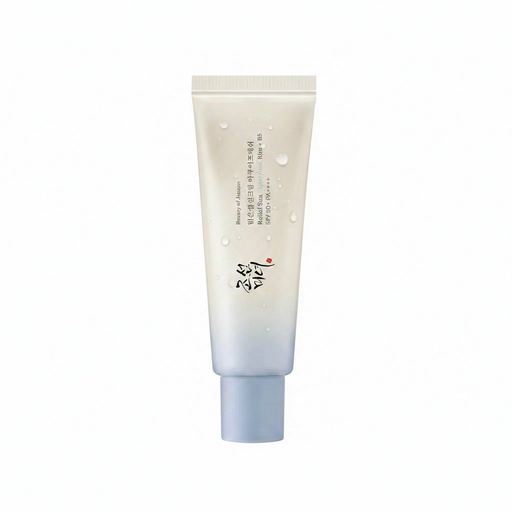
Why it works: Suitable for anyone looking for a hydrating sunscreen with a watery texture that can be worn under makeup.
The description mentions a lightweight formula without a white cast or greasy residue. This supports everyday use, but the amount applied remains decisive.
SPF 50+ PA++++, with rice water and panthenol listed in the product description as formula components.
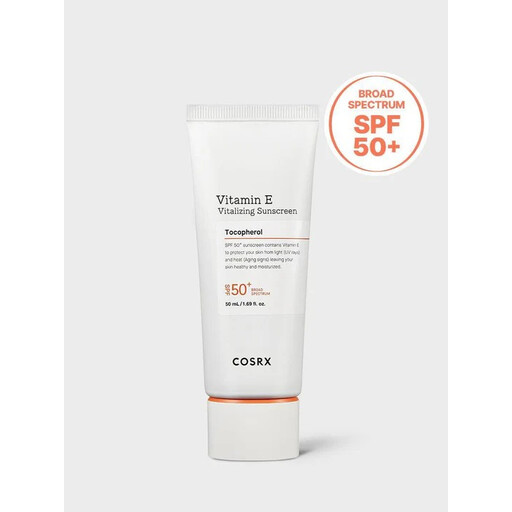
Why it works: A choice for users seeking sunscreen for oily or combination skin, with a less glossy finish.
Silica appears in the product information and is described as an ingredient that can absorb excess sebum. This is a product specification, not a guarantee for every skin type.
50 ml volume and an ingredients list including silica, vitamin E and chemical UV filters.
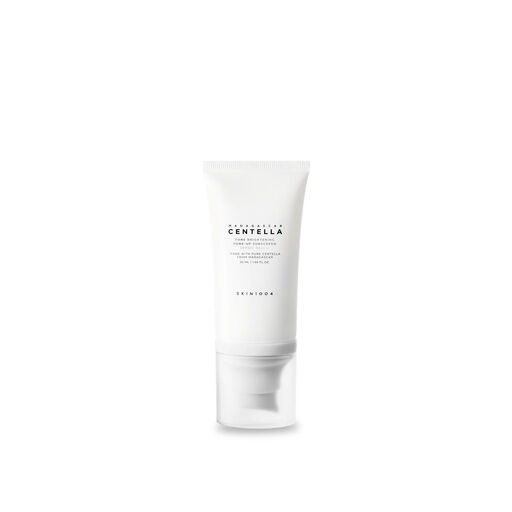
Why it works: For anyone who wants to combine SPF 50+ PA++++ with a subtle tint and a nourishing routine.
The product information mentions a light peach tint. Test the colour along your jawline before applying the product generously across your face.
SPF 50+ PA++++, Centella asiatica in the ingredients list and a tinted formula with niacinamide.
Browse a current selection of facial UV sunscreens and compare SPF ratings, textures, ingredients and sizes for your daily routine.
It can be a suitable choice for everyday exposure to UV radiation. Apply the product generously and reapply during extended time outdoors, after sweating, swimming or towelling off. SPF 50+ does not mean complete protection is achieved.
Check the expiry date and the open-jar symbol indicating the period after opening on the packaging. Store sunscreen in a cool, dry place away from direct sunlight and high temperatures. An opened tube may deteriorate more quickly if it is frequently carried around in warm conditions.
Choose a lightweight sunscreen without a noticeably sticky finish and allow your skincare to absorb briefly first. According to the product description, Beauty of Joseon Relief Sun Aqua-Fresh is described as fast-absorbing and suitable for use under makeup. The final result also depends on your primer, foundation and the amount of sunscreen applied.
