
Vandaag of morgen in huis

Kwaliteit gegarandeerd

Welkomstaanbiedingen ontgrendelen: GRATIS bezorging | Tot 80% korting | Gratis 30 dagen JoyPlus-proefperiode
Download de app
Korean SPF 50 sun cream can feel pleasantly lightweight, provide hydration and work well under make-up. However, a high SPF alone does not tell you whether it is suitable for your skin. A dewy finish can be impractical on oily skin, while a matte formula may feel tight on dry skin.
Also pay attention to marketing terms such as “glow”, “waterfit” or “tone-up”. These mainly describe the texture or appearance after application. They do not automatically tell you how the facial sun cream performs when sweating, swimming or spending a long time outdoors.
SPF mainly relates to protection against UVB radiation, which can cause redness, among other effects. For UVA protection, Korean sun creams often display the PA rating. Within this scale, PA++++ represents the highest stated UVA category.
SPF 50 or SPF 50+ is therefore not a complete description of the protection provided. Always check that UVA protection and the PA rating are also shown on the packaging or product page.
A gel, serum or thin lotion can be comfortable for everyday use in the Netherlands. That does not mean the formula is water-resistant. After swimming, exercising, sweating or drying yourself with a towel, you need to reapply. If it explicitly says “not water-resistant”, make sure you take this into account.
Sun cream for sensitive skin can still contain ingredients that do not suit everyone. These may include fragrance, essential oils, denatured alcohol or certain UV filters. A product containing centella, aloe or niacinamide is therefore not automatically suitable for every skin type.
Check the full ingredients list and test a new product on a small area of skin first. Stop using it if you experience redness, itching, swelling or a burning sensation.
For everyday use on the face, many adults choose SPF 50 or SPF 50+. If UVA protection is your main priority, look for PA++++ sun protection. This rating is usually displayed clearly on Korean packaging.
Be aware of differences between markets and product variants. A product name may refer to several versions with a different SPF or size. Always check the packaging, ingredients and current product information before buying.
The texture determines whether you will want to continue using a Korean sunscreen every day:
If you are looking for sun cream without a white cast, do not rely solely on the product claim. Visibility also depends on the amount applied, your skin tone and how evenly you spread the formula.
A hydrating sun cream may contain glycerine, hyaluronic acid, panthenol, rice extract or centella. These ingredients are relevant to how the skin feels and to the formula’s caring properties. Claims about soothing, repairing or anti-ageing should be viewed as brand communication; they do not guarantee the same results for every user.
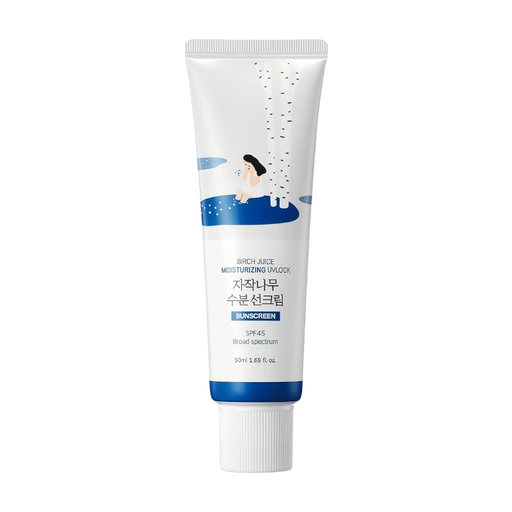
Why it suits this profile: A 50 ml tube with SPF 50 and a moisturising formula is a straightforward starting point for everyday use on the face.
The product information lists several chemical UV filters and states when reapplication is needed. Check the current packaging for the UVA rating.
50 ml, SPF 50 and ingredients such as glycerine and hyaluronic acid for a cared-for skin feel.

Why it suits this profile: The lightweight cream is designed for everyday use and may suit anyone looking for a hydrating sun cream to wear under make-up.
The product description states SPF 50+ PA+++ and a fragrance-free formula. When purchasing, check that these product specifications are shown on your packaging.
50 ml, SPF 50+ and 30% rice extract according to the product information; the description mentions a lightweight finish without a white cast.
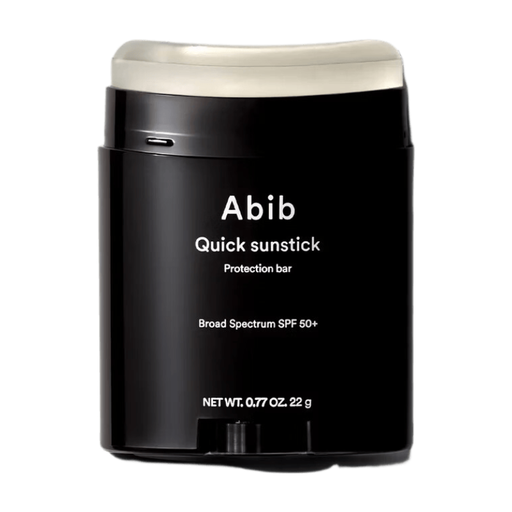
Why it suits this profile: The 22 g stick is practical for reapplying during a cycle ride, working day or trip, without having to use your hands directly.
The product information states SPF 50+ and PA++++. Apply the stick evenly and do not use it as a reason to apply an overly thin layer.
22 g, SPF 50+ PA++++ and suitable for reapplying over or under make-up according to the usage information.
Apply the sun cream as the final step in your morning routine, before make-up. For the face and neck, you need a generous, even layer; the exact amount depends on the product and its packaging. If stated on the label, ideally wait 15 to 30 minutes before direct exposure to the sun.
Reapply after swimming, exercising, heavy sweating or drying yourself. During prolonged exposure, reapplying approximately every two hours is a practical rule of thumb. A sunscreen stick is particularly useful for touch-ups, but check that you have adequately covered all areas of your face.
Store the packaging in a cool, dry place away from direct sunlight and high temperatures. Check the expiry information and batch number on the packaging. A change in smell, colour or texture is a reason to stop using the product.
We have put together a complete, up-to-date list of products that fully meet these strict selection criteria and the applicable European safety regulations.
It can be, provided the product is intended for the face and you follow the instructions for use. Choose a texture that you will be happy to reapply every day, and check the ingredients if you have sensitive skin.
Follow the expiry information on the packaging. Do not leave the tube or stick in a hot car or direct sunlight for extended periods. Once opened, the recommended period of use may vary from one product to another.
A stick is mainly practical for reapplying. For the first layer, a cream or lotion may make it easier to distribute enough product evenly over the face and neck. Always check the brand’s instructions.
