
当日/次日达

品质保障

开启新人专享福利: 全场免邮 | 低至 2 折 | 免费试用 30 天 JoyPlus 会员
下载 Joybuy
Korean SPF 50 sun cream for your face can feel light, sit well under make-up and contain extra hydrating ingredients. But attractive packaging or a promise of an “invisible finish” doesn’t tell you everything. The right choice depends on the UV protection, texture, ingredients and how you use it every day.
SPF mainly refers to protection against UVB rays, which can cause redness and sunburn. UVA protection is also important for everyday facial skincare. UVA rays penetrate deeper and are present all year round, even on cloudy days.
So, as well as checking for SPF 50+, look for an additional UVA rating, such as PA++++, or the UVA symbol on the European packaging. The PA rating is common on Korean sun creams, but always check the current product packaging and seller information.
A sun cream for sensitive skin may still not suit everyone. Fragrances, certain UV filters or plant extracts can cause irritation for some people. Product descriptions are useful, but everyone’s tolerance is different.
So, check:
Stop using the product if you experience redness, itching or a burning sensation. Avoid contact with your eyes and follow the safety instructions on the packaging.
A thin layer feels comfortable, but using too little sun cream reduces the protection stated on the packaging. Apply a generous amount to your face and neck, for example using the two-finger method, and spread it evenly.
Reapply after prolonged exposure, sweating, swimming or drying yourself with a towel. An SPF 50 sun stick is handy when you’re out and about, but it can be harder to apply an even amount everywhere with a stick. Use it carefully, going over each area of your face several times.
For everyday use, SPF 50 or SPF 50+ is a sensible choice if you spend a lot of time outdoors or prefer a high level of protection. Also look for a clear reference to UVA protection. According to their product information, products with SPF 50+ PA++++ protect against UVA and UVB rays, but always check the packaging for the latest details.
The finish can make all the difference to how comfortable SPF 50 face sun cream feels throughout the day:
A lightweight sun cream that leaves no white cast is especially appealing for everyday use and under make-up. Just bear in mind that “transparent” or “invisible” is a product description, not a guarantee for every skin tone or skin condition.
If you’re looking for a hydrating sun cream, look for ingredients such as glycerin, hyaluronic acid, panthenol, ceramides or rice extract. These ingredients are used in cosmetics to help skin feel comfortable and support hydration. They don’t replace medical advice or guarantee a particular effect for every user.
A lightweight gel or matte stick may feel more comfortable on oily skin. A cream or serum texture is often a better fit for dry skin. Apply sun cream as the last step in your morning routine, before make-up.
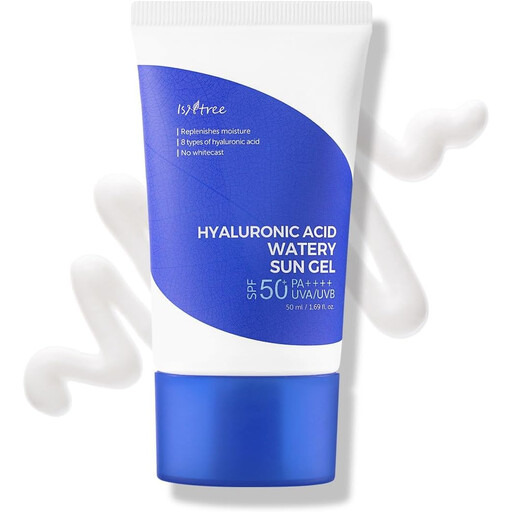
Why it suits this profile: The gel texture is designed for everyday use and is described as lightweight, non-greasy and non-sticky. That makes it a practical starting point if you’d like to try Korean skincare.
The description mentions quick absorption and an invisible finish, making a heavy layer or obvious white cast less likely.
SPF 50+ PA++++, eight types of hyaluronic acid according to the product information, and suitable for use under make-up.
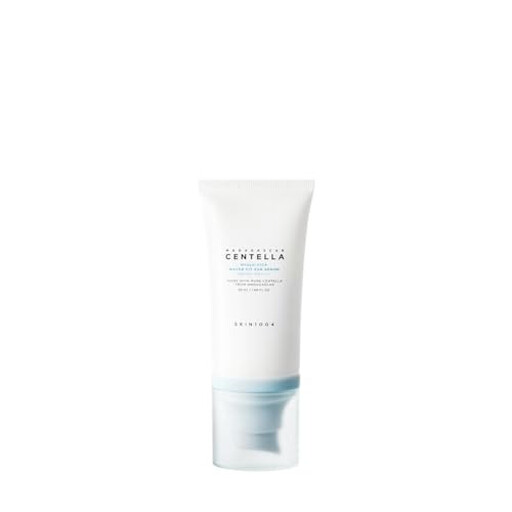
Why it suits this profile: This serum-like formula is designed for anyone who wants to combine sun protection with a comfortable skin feel in one morning step.
The product description says it absorbs quickly, doesn’t feel sticky and leaves no white film. Do check the current packaging when you buy it.
SPF 50+, PA+++ and a Hyalu-Cica formula with hydrating and soothing ingredients according to the product information.
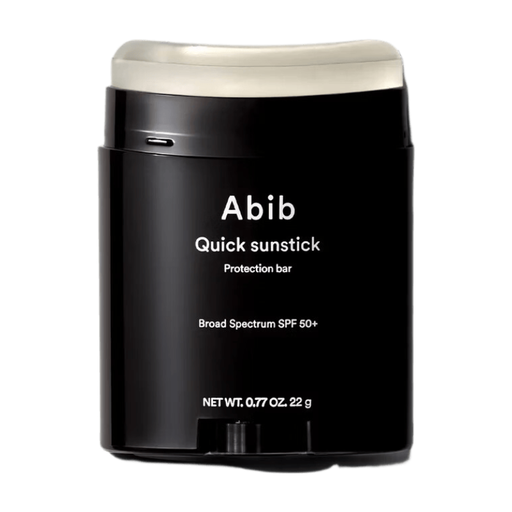
Why it suits this profile: This compact stick is made for touch-ups on the go, whether you’re cycling, walking around town or spending a long day outdoors.
The stick means no mess on your hands when reapplying. Use several even strokes, as one quick swipe may not apply enough product.
SPF 50+ PA++++, 22 grams and, according to the instructions, suitable for use over or under make-up.

Why it suits this profile: According to the product information, this cream formula is lightweight, hydrating and fragrance-free. It’s a good fit for an everyday routine where skin comfort matters.
The description says it leaves no white cast or sticky feeling and is fragrance-free. If you have sensitive skin, a patch test is still a good idea.
SPF 50+ PA+++, 30% rice extract according to the product information, and a 50 ml size.
We’ve put together a complete, up-to-date list of products that meet these strict selection criteria and current European safety requirements.
Apply your sun cream as the last step in your morning routine, after serum and moisturiser. Ideally, wait a little before applying make-up so the layer can set evenly. Reapplication is important during prolonged exposure, especially after swimming, sweating or drying yourself with a towel.
Sun cream isn’t a substitute for clothing, sunglasses or shade. Avoid prolonged direct exposure to the sun, especially around the hottest part of the day.
It can be, if the packaging says the product is suitable for the face and you tolerate the ingredients well. Check the SPF, UVA rating, directions for use and shelf life. A lightweight formula can feel comfortable for everyday use, but doesn’t tell you whether it will suit your individual sensitivities.
Follow the PAO symbol on the packaging, usually shown as an open jar with a number of months, and check the expiry date. Store sun cream somewhere cool and out of direct sunlight. A change in smell, colour or texture may be a reason to stop using the product.
Yes, according to their product information, several of the Korean products mentioned are designed for use under make-up. Apply an even amount first and give it a little time to sink in. A stick can be handy for reapplication, but use it carefully to maintain sufficient coverage.
