
Vandaag of morgen in huis

Kwaliteit gegarandeerd

Welkomstaanbiedingen ontgrendelen: GRATIS bezorging | Tot 80% korting | Gratis 30 dagen JoyPlus-proefperiode
Download de app
Anyone looking to buy Korean soju will soon find a wide choice of fruit soju and flavoured soju. Strawberry soju, peach soju, grape soju, mango soju, lychee soju, apple soju and melon soju may look very similar at first glance. However, they differ in alcohol content, ingredients, volume and flavour.
The packaging does not always tell the full story either. So before ordering a bottle, watch out for the following pitfalls.
Fruity aromas and sweeteners can make a drink more approachable, but they do not lower its alcohol content. Many flavoured soju products in the range contain 12% alcohol. As a result, a 360 ml bottle contains more alcohol than its sweet taste might suggest.
Always compare the alcohol content, volume and when you plan to drink it. Take your time, alternate with water and never drive or take part in traffic after drinking alcohol.
Words such as “premium”, “smooth” or “authentic” are mainly marketing language. Instead, look for verifiable details: the origin, alcohol content, ingredients list and net volume. In some products, the fruit component consists of juice or concentrate; in others, it is mainly flavourings, sugar or sweeteners.
According to the product information provided by the brands and importers concerned, recipes and nutritional values may vary between flavours. Always check the current packaging before use, particularly if you have allergies.
Soju is often served chilled and neat, but fruit soju can also be served over ice or used as the base for a cocktail. Makgeolli has a cloudy appearance and a different texture. Sake is generally drier and more rice-forward in character. Limoncello and Baileys Hazelnut are not soju and are suited to different drinking occasions.
So first decide whether you are looking for a light fruity drink, a traditional rice wine or a sweet liqueur.
Compare the alcohol by volume (ABV) and the number of millilitres together. Many fruit soju products contain 12% alcohol and come in 360 ml bottles. Jinro Chamisul strawberry, for example, is listed as containing 13,0% alcohol and 350 ml. This small difference in volume and percentage matters when stocking up on several bottles for a dinner or party.
Makgeolli varies more considerably: the listed varieties range from 3% to 5% alcohol and have a volume of 750 ml. A classic sake may come in a larger bottle, such as the 1.5-litre Ozeki Junmai.
Read the ingredients list, even when a drink appears to have a simple fruit flavour. You may find ingredients including water, distilled alcohol, fruit wine, sugar, fruit juice, flavourings and food acids.
The product information for Oppa mango and Oppa melon states that the product may contain wheat. Woorisool peach makgeolli also lists cereals containing gluten, such as wheat. By contrast, several other products state that they contain none of the 14 main EU allergens. Always check the packaging, as product information may be updated.
Fruit soju is usually served chilled. Product listings often recommend refrigerating opened bottles and consuming them quickly. Store unopened bottles in a cool, dry place away from direct sunlight. Before buying, check the expiry and storage information on the label.
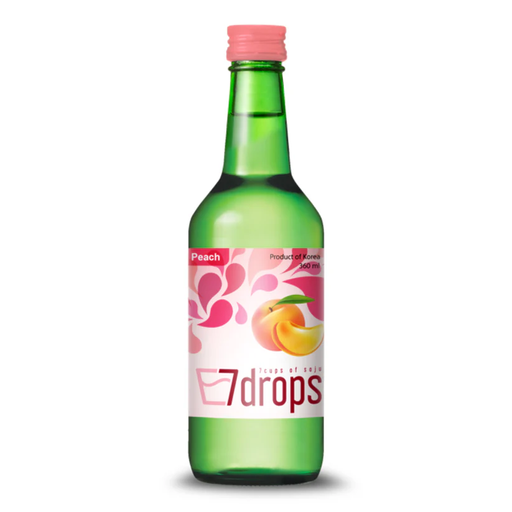
Why it suits this profile: This peach variety comes in a straightforward 360 ml bottle and contains 12% alcohol. That makes it easy to compare for anyone buying fruit soju for the first time.
The alcohol content and volume are clearly stated, so you do not have to judge it by the fruit flavour alone.
12% alcohol, 360 ml and an ingredients list featuring peach, pear wine and apple wine.
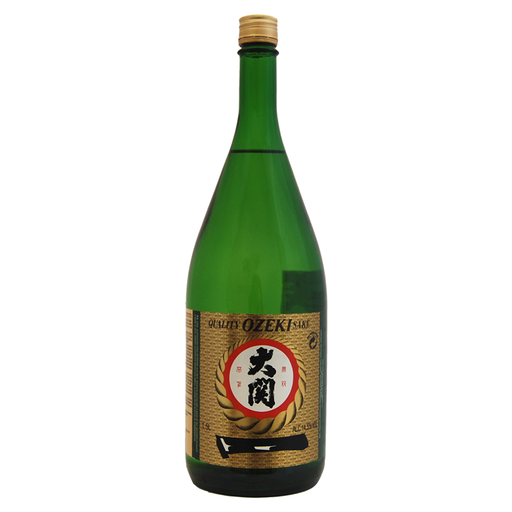
Why it suits this profile: For a dinner featuring Japanese dishes, this junmai sake is a rice-focused choice rather than a sweet fruit soju.
The product information lists rice, water and koji, making it clear that this is junmai sake.
1.5 litres and a dry, full-bodied flavour according to the product description.
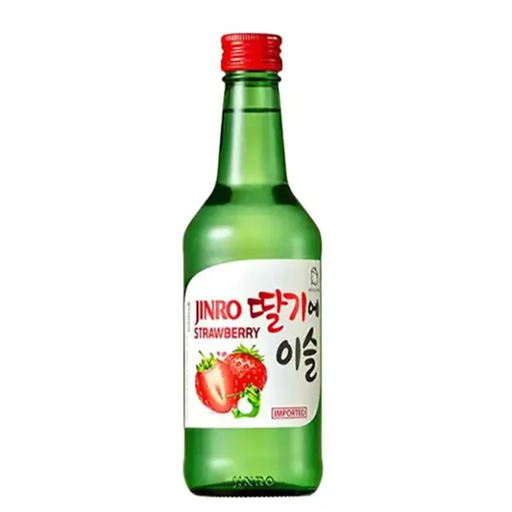
Why it suits this profile: A recognisable Korean option for anyone wanting to serve strawberry soju with snacks, Korean barbecue or at a social gathering.
The name states the strawberry flavour, 13,0% alcohol and 350 ml, so you will not mistake the bottle for an alcohol-free fruit drink.
Jinro Chamisul strawberry, 13,0% alcohol and a compact 350 ml bottle.
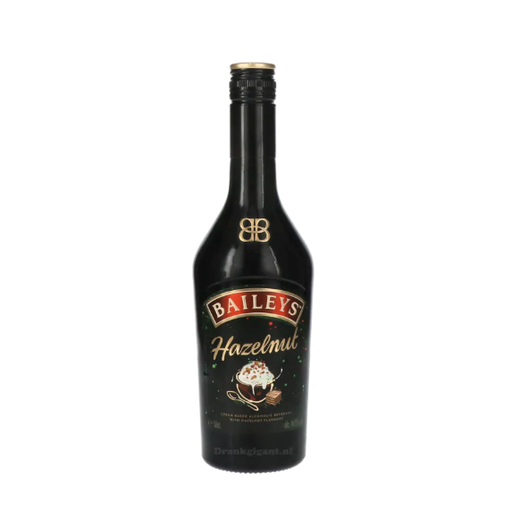
Why it suits this profile: An alternative for anyone looking for a creamy hazelnut flavour instead of Korean fruit soju, for example after dinner.
The product name makes it clear that this is a cream liqueur, not soju. The ingredients list milk as an allergen.
500 ml, a hazelnut cream flavour and a listed alcohol content of 14,5%.
Choose makgeolli when you are looking for a Korean rice wine with a lower alcohol content and a creamier, lightly sparkling character. According to the product information, the white grape variety contains 5% alcohol; Woorisool peach contains 3% and lists wheat as an allergen.
Anyone looking to buy Japanese sake can choose between dry junmai sake and sweeter fusion drinks. Ozeki Junmai is a rice wine whose listed ingredients include rice, water and koji. Nenohi varieties combine Daiginjo sake with red grape or Chardonnay and contain 7% alcohol.
Limoncello is a lemon liqueur and Baileys Hazelnut is a creamy liqueur. If online information conflicts, always check the label. The product information supplied for Pallini Limoncello, for example, lists both 14,5% in the title and 26% in the description. Use the current product page and packaging as your guide when buying and consuming the product.
We have compiled a complete, up-to-date list of products that fully meet these strict selection criteria and the applicable European safety regulations.
You can compare Korean soju online by flavour, alcohol content, volume and ingredients. Also pay attention to the minimum age: alcoholic drinks are intended exclusively for consumers aged 18 and over. Check the delivery terms, product availability and the information on the label too.
Store an opened bottle according to the instructions on the packaging. Several fruit soju products recommend refrigeration after opening and consuming the drink quickly. Seal the bottle tightly and keep it away from direct sunlight and heat. Always check the storage and best-before information for the specific variety.
Often it is, because fruit soju contains ingredients such as fruit juice, fruit wine, sugar, fructose, syrup or flavourings. The exact recipe varies by brand and flavour. So compare the ingredients list and nutritional information instead of relying solely on names such as strawberry, peach, mango or grape.
