
Vandaag of morgen in huis

Kwaliteit gegarandeerd

Welkomstaanbiedingen ontgrendelen: GRATIS bezorging | Tot 80% korting | Gratis 30 dagen JoyPlus-proefperiode
Download de app
Are you looking to buy Korean soju for a Korean BBQ, dinner or party? You’ll be struck by the sheer range on offer. There are bottles with apple, mango, peach, grape, yoghurt, melon and citrus flavours. Yet many products look similar: often it’s a bottle of around 360 ml with an alcohol content of about 12%.
That makes comparison important. A sweet flavour can make the alcohol content less noticeable, while a pretty package says nothing about the ingredients or how to serve it. These practical checkpoints will help you avoid a bad buy.
Fruity soju often tastes more approachable than traditional, stronger distilled drinks. That doesn’t mean you can ignore the alcohol content. Many Korean fruit sojus contain 12% alcohol, while some varieties, such as grapefruit soju, sit around 13% ABV.
Always check the alcohol percentage on the label. Serve slowly, drink responsibly and keep alcohol out of reach of minors. In the UK, alcoholic drinks may only be sold to adults aged 18 and over.
“Apple”, “mango” or “peach” on the front doesn’t automatically mean the drink is mostly made from real fruit. Some products use fruit juice, others mainly flavourings, sugar, syrup and acidity regulators.
Look at the ingredients list. There you can see, for example, whether apple or pear wine, fruit juice, flavourings, sweeteners or grain components have been used. According to the product information, 7DROPS Peach contains pear and apple wine, peach juice and peach flavouring. Other products mainly list a fruit flavouring.
A 360 ml bottle is compact and handy for one or a few people, but a box with multiple bottles is a different purchase from a single bottle. So check the net volume, the number of bottles and whether you have enough storage space.
Also pay attention to the seal and packaging. Do not use a bottle if the seal is damaged. Store soju in a cool, dry place away from direct sunlight. After opening, keep the bottle tightly closed and follow the instructions on the label.
Many flavoured sojus in the Joybuy range have 12% ABV. This applies to various ChumChurum, OPPA and 7DROPS varieties. Chamisul Grapefruit is listed in the product information as 13.0% ABV.
A difference of one percentage point may seem small, but it’s relevant when you’re comparing several flavours or using the drink in cocktails. Always look at the percentage on the specific product page and packaging.
Fruity soju is available in a wide range of styles:
Check allergens carefully. The product information for some varieties mentions wheat, apple, pear or possible sulphites. For the most up-to-date information, always refer to the label on the bottle you receive.
The most common size in this range is 360 ml. A bottle can be served chilled, with ice or as a base for a simple cocktail. OPPA Apple Yoghurt Soju, for example, is described as suitable for serving on ice or mixing with sparkling water, lemon juice or tonic.
A handy basic ratio for home is one part soju to one part sparkling water, topped up with ice and optionally a slice of citrus fruit. Don’t add extra sugar when the chosen flavour is already noticeably sweet.
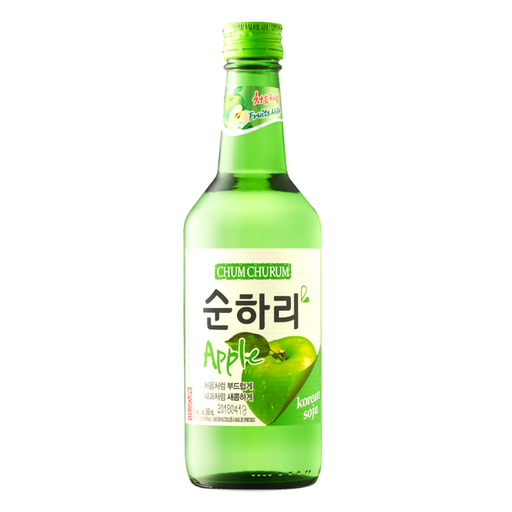
Why this suits the profile: The recognisable apple flavour and 360 ml size make this bottle straightforward for anyone trying fruity soju for the first time.
The alcohol percentage, volume and ingredients are clearly stated. This means you don’t have to rely solely on the flavour name or packaging.
12% ABV, 360 ml and suitable for drinking chilled or with a meal.
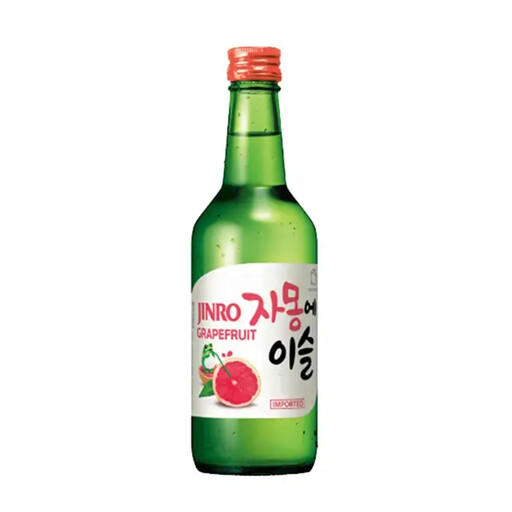
Why this suits the profile: Grapefruit offers a fresher citrus direction than sweeter apple, mango or peach varieties.
The alcohol percentage of 13.0% is prominently featured in the product information. This allows you to consciously compare the slightly stronger choice with soju at 12%.
360 ml, grapefruit profile and suitable for serving chilled, with ice or in a cocktail.
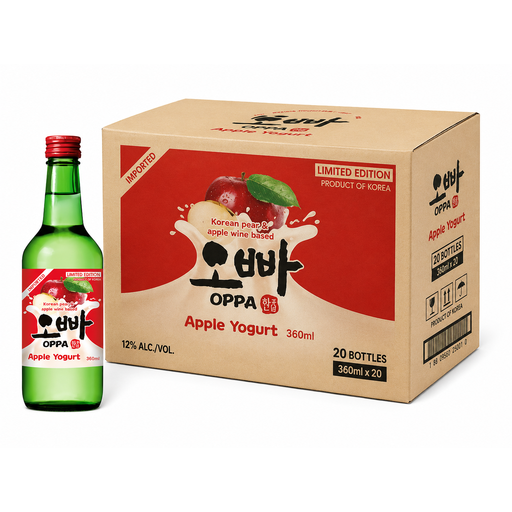
Why this suits the profile: The box of 20 bottles is practical for larger gatherings, regular dinners or stocking up for cocktails.
The number of bottles and the volume per bottle are clearly indicated. This prevents a bulk pack from unexpectedly being too much or too little.
20 bottles of 360 ml, 12% ABV and an apple-yoghurt profile for serving, ice or mixed drinks.
We’ve put together a full, up-to-date list of products that fully meet these strict selection criteria and comply with current European safety regulations.
Fruity varieties are usually sweeter than classic, neutral soju. The flavour depends on the fruit, the flavourings, fruit juices and sweeteners used. If you’re looking for a less sweet impression, you could consider a citrus variety such as grapefruit or yuzu.
Chill the bottle beforehand and serve the soju straight, with ice or in a simple mix with sparkling water. Yoghurt and fruit varieties can also be used as a cocktail base. Always check the ingredients and serving instructions on the packaging first.
Store an opened bottle tightly closed and cool, preferably according to the instructions on the label. The flavour can change after opening. Therefore, drink the bottle within a reasonable period and do not use the product if the seal was damaged or the drink smells or tastes unusual.
