
Vandaag of morgen in huis

Kwaliteit gegarandeerd

Welkomstaanbiedingen ontgrendelen: GRATIS bezorging | Tot 80% korting | Gratis 30 dagen JoyPlus-proefperiode
Download de app
Korean soft drinks are popular with K-food enthusiasts, but the range can be difficult to assess. Labels often feature flavours you may not recognise, while terms such as “fruit drink”, “milk soda” or “juice” do not automatically indicate how much fruit or sugar a drink contains.
Anyone buying Korean drinks without doing their research is most likely to encounter these three pitfalls:
Korean drinks can broadly be divided into a few clear categories. This makes choosing easier:
Ingredients are listed in descending order by quantity. For example, LOTTE Milkis Melon lists skimmed milk powder, sugar, carbon dioxide and melon flavouring among its ingredients. This makes it clear that it is a creamy, fizzy drink rather than pure melon juice. The product contains milk and soya and, according to the product information, may contain traces of egg, gluten, peanuts, sulphites and nuts, among other allergens.
With a Korean fruit drink, the difference between purée and flavouring is significant. According to the product information, Korean Smile Apple Mango contains apple and mango purée, as well as sweeteners and flavourings. Haitai Bong Bong Peach states that it contains 5% peach pulp and 0.5% peach concentrate. This tells you more about the composition than the name “peach” alone.
Always check the packaging if you have allergies. Recipes and labels may change.
Nutritional values are usually stated per 100 ml. For a bottle or can, calculate the total amount yourself:
These calculations are based on the nutritional information provided. Always check the current label before purchasing and consuming the product. A smaller pack can be useful when you want to try a new Korean soda first.
Not every Asian soft drink tastes the same. Milkis melon combines carbonation with milk powder and melon flavour. Mogu Mogu lychee contains nata de coco, so you drink soft pieces as well as liquid. According to the product information, Bong Bong peach contains peach pulp.
For alcoholic options, the percentage is more important than the fruit flavour. Oppa Apple Soju, OPPA Soju Watermelon and OPPA Soju Yuzu are listed as containing 12% alcohol. 7DROPS Soju Lychee also contains 12%. Store these bottles according to the label, drink responsibly and take the legal minimum age into account.
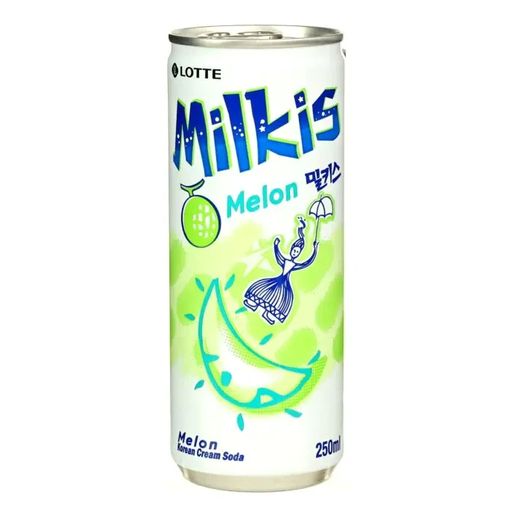
Why it suits this profile: The 250 ml can makes it less daunting to try a milk soda for the first time. The combination of carbonation and melon flavour is different from standard soft drinks.
The product information lists milk powder, milk and soya allergens, and 12 grams of sugar per 100 ml. This means you can check the composition in advance.
250 ml per can, carbonated and made with skimmed milk powder. Store in a cool place and refrigerate after opening; consume according to the label.
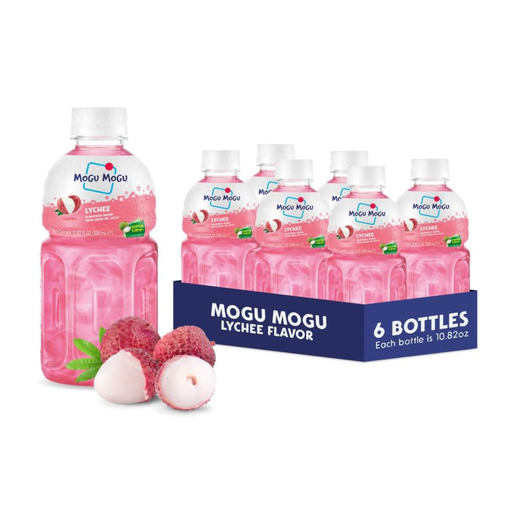
Why it suits this profile: This multipack is aimed at people who enjoy a consistent flavour and an unusual drinking texture. The nata de coco makes the product different from an ordinary fruit drink.
The product information lists water, nata de coco, sugar and lychee flavouring. You therefore know in advance that pieces and sweetness are part of the product.
Six 320 ml bottles, lychee flavour and nata de coco. According to the nutritional information provided, the drink contains approximately 47 to 54 kcal per 100 ml.
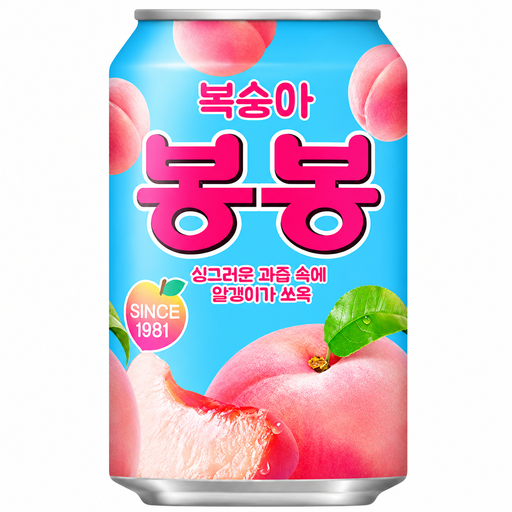
Why it suits this profile: The peach pulp and 340 ml can are ideal for shoppers specifically looking for a fruity drink with more texture than a standard Korean soda.
The product information states that it contains 5% peach pulp and 0.5% peach concentrate. It also lists a nutritional value of 85 kcal and 19 grams of sugar per 100 ml.
Peach pulp, peach concentrate and a 340 ml pack. Suitable for anyone looking for a non-carbonated fruit drink with visible pieces of fruit.
We have compiled a complete, up-to-date list of products that fully meet these strict selection criteria and the applicable European safety regulations.
Use this checklist before placing your order:
Korean soft drinks usually contain carbonation and may include flavourings, sugar or sweeteners. Korean fruit juice or fruit drinks are generally non-carbonated and may contain fruit purée or concentrate. Always check the ingredients list: the product name alone does not show the full composition.
Unopened products can often be stored in a cool, dry place. After opening, product descriptions generally recommend refrigeration and consumption within the period stated on the label. With carbonated drinks, open them carefully; do not shake a can or bottle beforehand.
Pay particular attention to the alcohol percentage, volume, ingredients and allergens. The fruit soju varieties mentioned contain 12% alcohol. They are therefore not comparable with soft drinks or juice and are intended for responsible consumption by adults.
