
Vandaag of morgen in huis

Kwaliteit gegarandeerd

Welkomstaanbiedingen ontgrendelen: GRATIS bezorging | Tot 80% korting | Gratis 30 dagen JoyPlus-proefperiode
Download de app
Korean snacks come in many forms: from soft rice cakes with a sweet and spicy sauce to crunchy crisps, seasoned almonds and thin sheets of Korean seaweed. This wide selection makes choosing enjoyable, but it can also be confusing. Eye-catching packaging or a label such as “hot” does not always indicate how spicy a product really is.
Pay particular attention to these three common pitfalls:
The product format determines how you use the snack:
When choosing tteokbokki, check the portion size. A cup of 115 to 160 grams is practical for one eating occasion, while a larger pack such as 414 grams may be better suited to sharing.
Terms such as “sweet & spicy”, “kimchi” and “hot” give you an indication, but they do not represent a standardised spice scale. Many sauces contain ingredients including chilli powder, red pepper paste, ketchup, sugar and starch syrup. As a result, the flavour can be sweet, sour, savoury and spicy all at once.
Pay particular attention to:
Product information may change. The packaging therefore provides the definitive information on ingredients, allergens, best-before dates and preparation instructions.
An instant product is particularly convenient when the preparation instructions are clear. With a Yopokki cup, you generally add water up to the indicated line and heat the product according to the packaging. The stated preparation time may vary depending on the microwave. Always follow the instructions on the packaging.
For price comparisons, it is useful not to look only at the retail price. Compare the weight per pack and, if necessary, calculate the price per 100 grams. A multipack of Korean crisps can be practical for sharing, but a small cup prevents you from buying more than you need.
Store dry snacks in a cool, dry place away from direct sunlight. Once opened, the packaging should be securely resealed. Frozen products, such as some Korean hot dogs, have different requirements: the product information for the Rengi Korean-Style Chicken & Corn Hot Dogs states that they should be stored at -18 °C. On delivery, check that a frozen product is still frozen.
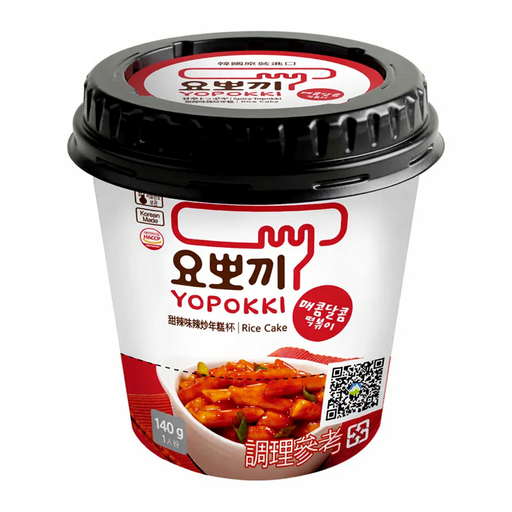
Why it suits this profile: This cup is an accessible introduction to tteokbokki. The rice cakes and sweet and spicy sauce come together in one pack, and the preparation steps are clearly explained.
The 140 g portion makes it clear that this is an individual snack or small meal, not a large multipack.
Cup format, rice cakes and sweet and spicy sauce; according to the product information, prepare the cup with hot water and a microwave.

Why it suits this profile: This is a compact snack with a clearly defined flavour profile of chilli, roasted sesame and savoury herbs and spices.
The ingredients list identifies the flavourings and allergens, including soya and sesame, so you can check them easily.
50 g contents, made in South Korea according to the product description and ready to eat without preparation.
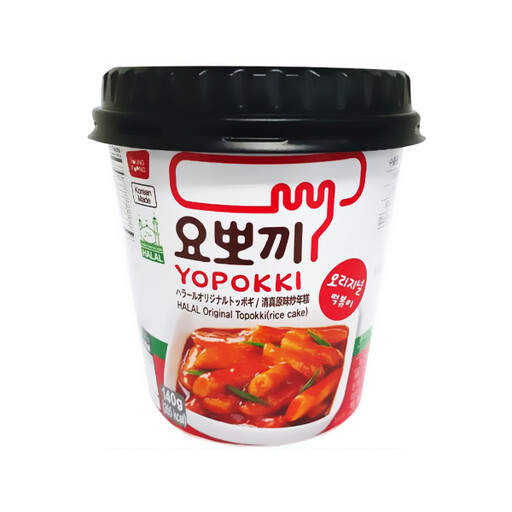
Why it suits this profile: This cup is aimed at customers looking for a halal-certified tteokbokki option for a quick meal.
The product information states that it is halal. Even so, check the current certification mark and the ingredients on the packaging when you buy it.
140 g per cup, rice cakes with sauce and storage after opening at 0–4 °C according to the product information provided.
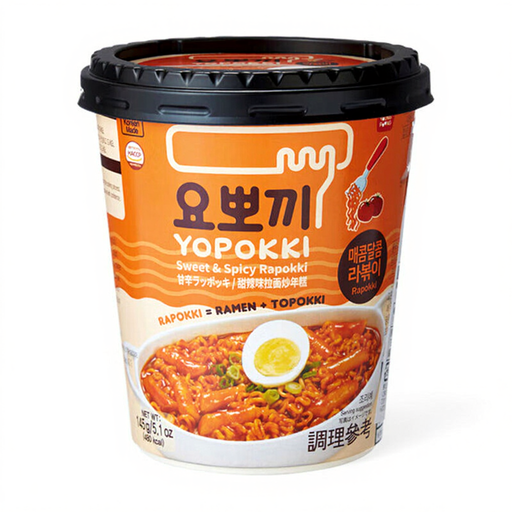
Why it suits this profile: The combination of Korean rice cake and ramen offers more texture and variety than a standard tteokbokki cup.
The product description lists the rice cakes, ramen and seasoning powder separately. This tells you in advance that it is a combination product.
145 g contents, combining two types of snack with a sweet and spicy flavour profile.
We have compiled a complete, up-to-date list of products that fully meet these strict selection criteria and the applicable European safety regulations.
Korean snacks include both savoury nibbles and quick meals. Examples include tteokbokki with Korean rice cake, dried seaweed, prawn crackers, onion rings, corn snacks and seasoned nuts. Flavours range from sweet and savoury to spicy and kimchi-like.
Follow the instructions on the packaging. You will often place the rice cakes and sauce in the cup, add water up to the indicated line and heat everything in the microwave. Some Yopokki cups require you to soak the ingredients for a few minutes first and then heat them briefly. The time required depends on the product and the power of your microwave.
No. Halal and allergen-free do not mean the same thing. A halal tteokbokki product may still contain gluten or soya according to the label. Always check the allergens in bold, the certification and the current packaging before buying.
