
Vandaag of morgen in huis

Kwaliteit gegarandeerd

Welkomstaanbiedingen ontgrendelen: GRATIS bezorging | Tot 80% korting | Gratis 30 dagen JoyPlus-proefperiode
Download de app
Korean snacks and groceries are hugely popular with fans of K-pop, street food and quick meals. But the range is vast: from Korean instant noodles and Korean ramen to frozen gyoza, tteokbokki, kimchi jjigae and sweet treats. The packaging may look appealing, but it doesn’t always tell you enough about portion size, allergens, preparation or storage.
This guide helps you compare products on practical points, so you can buy Korean snacks more wisely and are less likely to pick something that doesn’t suit your eating habits.
Words like “authentic”, “extra spicy” or “restaurant-style” are no substitute for concrete information. Always check the country of origin, the ingredients list, nutritional values and preparation method. For example, the product information for Shin Ramyun states that it is made in the Republic of Korea and takes around 4.5 minutes to prepare. The packaging remains the ultimate source for up-to-date information.
Buldak Carbonara and other hot noodles are often marketed as a challenge or trend product. However, spiciness isn’t the only thing to consider. Also look at the weight per pack, the number of servings and the salt content. The product information for Samyang Buldak Hot Chicken Carbonara lists 130g per bag and 2.6g of salt per 100g, making it easier to compare than relying on the marketing name alone.
Gyoza, Korean fried chicken and a Korean corn dog are often sold frozen. So check you have enough freezer space and read the defrosting instructions. Products like Rengi Korean Fried Chicken and the chicken corn dogs must be kept frozen and should not be refrozen once thawed. With chilled or frozen delivery, it’s also wise to put your order away straight away.
For students, home workers and busy households, preparation time is often a deciding factor. Pay attention to the amount of water, cooking time and equipment needed.
A short preparation time doesn’t automatically mean the product is a complete meal. Feel free to add egg, vegetables, tofu or chicken, depending on the product and your diet.
Always check the bold allergens on the label. The range includes wheat, gluten, soya, milk, sesame, fish, shellfish and celery, among others.
Examples:
A product description online can change or be incomplete. If you have an allergy or intolerance, the label on the packaging is what you should rely on.
Dry Korean snacks, nori and instant noodles are usually easy to store in a cupboard. Keep them cool, dry and out of direct sunlight. Seal opened packs well to prevent moisture and loss of quality.
Frozen products require more planning. Check the temperature on the packaging, keep them frozen until use and follow the defrosting instructions. For ambient products, the product information refers to the best-before date on the packaging.
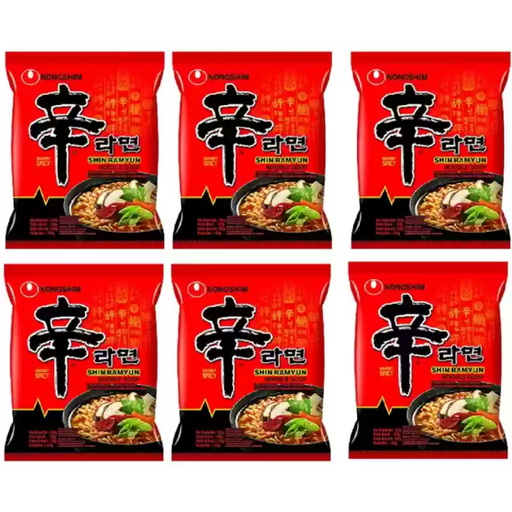
Why it fits this profile: A multi-pack of six portions is practical if you regularly want to prepare quick Korean food without buying individual packs each time.
The cooking time, amount of water and nutritional information are clearly stated, so you don’t have to rely on flavour claims alone.
Six packs of 120g; preparation in around 4.5 minutes; product by Nongshim from the Republic of Korea.
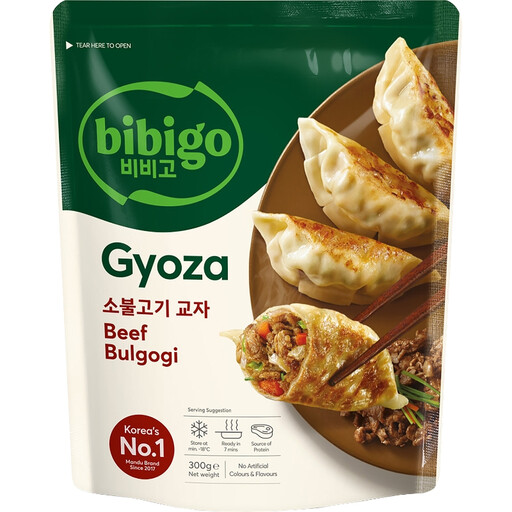
Why it fits this profile: Ideal if you’re after a warm snack or side dish with Korean flavour and prefer to cook in a pan or deep fryer.
The product information lists specific cooking times and temperatures, so you can check in advance whether the method suits your kitchen.
300g; pan-fry in around 7 minutes; deep-fry at 180°C according to the description.

Why it fits this profile: For fans of distinctly spicy noodles who want a multi-pack for several eating occasions or to try different preparations.
The weight per bag, ingredients and allergens are listed, so you can factor in spiciness, dairy and soya when making your choice.
Five bags of 130g; thick, pre-cooked noodles; carbonara sauce with spicy chicken flavour according to the product description.
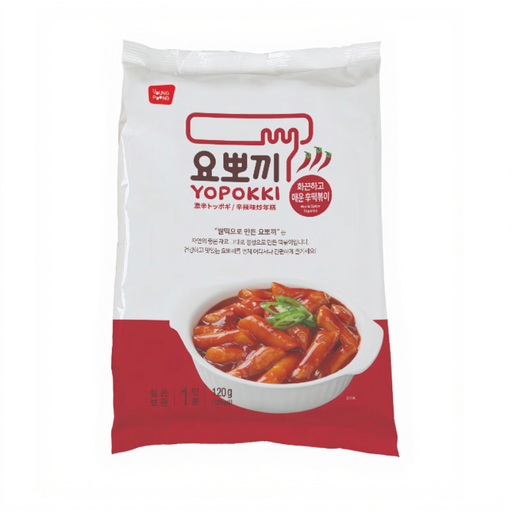
Why it fits this profile: An easy way to try tteokbokki, a well-known Korean rice dish, as a snack at home.
The portion size of 120g and nutritional values per 100g are listed, so you can better judge the quantity.
120g; rice cake base; spicy variant for a quick snack or as an addition to a meal.
We’ve put together a full, up-to-date list of products that fully meet these strict selection criteria and comply with current European safety regulations.
If you prefer to try small snacks, you can go for sushi nori, Korean seaweed snacks or ORION Choco Pie. Delief Roasted Seaweed Sushi Nori is intended for sushi, rice balls and other dishes. Bibigo Crispy Seaweed Snack with sesame is sold as a loose snack and contains sesame according to the product information.
For a meal that requires a bit more preparation, there are Rengi’s kimchi jjigae, bibigo Chicken & Vegetable Gyoza and a mix for Korean fried chicken. With the chicken mix, watch out for wheat as an allergen, and with frozen chicken, check the storage temperature. If you’re after a snack for on the go or a film night, you could consider a Korean corn dog with chicken and potato.
Korean instant noodles are dried or pre-cooked noodles with a seasoning, soup or sauce mix. Well-known examples are Shin Ramyun and Buldak Carbonara. Always check the cooking time, portion size, spiciness, salt content and allergens.
Store dry products like nori, Choco Pie and noodles in a cool, dry place out of direct sunlight. Frozen products, such as gyoza, kimchi jjigae and Korean fried chicken, must be kept frozen at the temperature stated on the packaging. Once thawed, do not refreeze them unless the packaging explicitly allows it.
Compare net weight, number of servings, ingredients, allergens, shelf life, preparation method and storage. Also check whether a product is delivered chilled or frozen. That way, you’re not just choosing based on packaging or hype, but on information that’s relevant to your household.
