
Vandaag of morgen in huis

Kwaliteit gegarandeerd

Welkomstaanbiedingen ontgrendelen: GRATIS bezorging | Tot 80% korting | Gratis 30 dagen JoyPlus-proefperiode
Download de app
Korean snacks are hugely popular with K-food fans, but ordering online takes more than just picking an eye-catching packet. A portion of tteokbokki, a Korean corndog or a bag of seaweed snack can vary widely in ingredients, preparation and storage method.
The most common buying mistakes come down to three pitfalls:
Always check the product page and the label on the packaging. The packaging may contain more or different information than the online description.
Not every Korean snack has the same preparation or texture.
Want to make your own sauce? Then go for plain tteokbokki rice cakes, like a 500g or 600g pack. For a quick snack, a cup or ready-to-eat product is more convenient.
Don’t just look for terms like “Korean-style” or “street food”. Check the ingredients list and allergen warning.
For the Yopokki Cheese Tteokbokki Pack 120g, the product information lists milk, soya and wheat among others. The plain A+ Chopped Rice Cake and the Matamun Tteokbokki Rice Cake are made from rice, salt and acidity regulators, according to the product information provided. Still, it’s important to check the actual packaging, as product information can change.
For halal consumers, the difference between a halal claim and a general assumption is important. Products such as the Young Poong Yopokki Halal Instant Topokki Cup, Matamun Rice cake stick HALAL and Delief Tteokbokki Cup Original Sweet & Spicy are labelled as halal in the product information. Always check at the time of purchase whether the packaging shows the relevant certification or indication.
A snack that needs to be chilled or frozen requires more planning at home than a dry rice cracker.
Also compare salt, sugar and energy per 100g. The Yopokki Hot and Spicy Tteokbokki, for example, lists 1.17g of salt per 100g, while the Yopokki Cheese variant lists 1.75g. That makes a difference when you’re combining several snacks or side dishes.
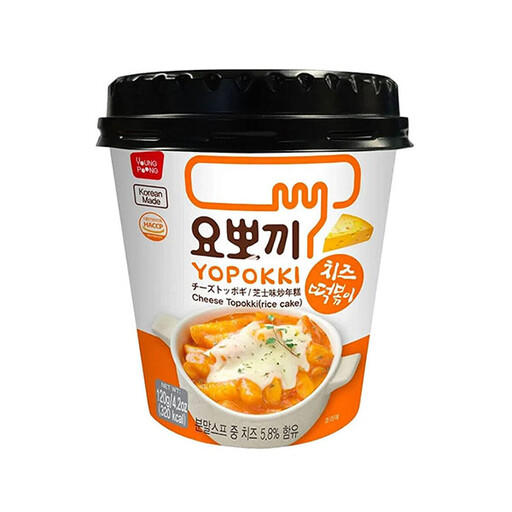
Why this suits the profile: This cup combines rice cakes with a ready-made cheese sauce and can be prepared in the microwave in just a few minutes, according to the product description.
The cooking instructions and portion size are clearly described. You don’t need to buy separate sauce or a large batch of rice cakes.
Cup packaging, preparation in around 2–3 minutes according to product information, and a mild cheese flavour. Contains milk, wheat and soya.
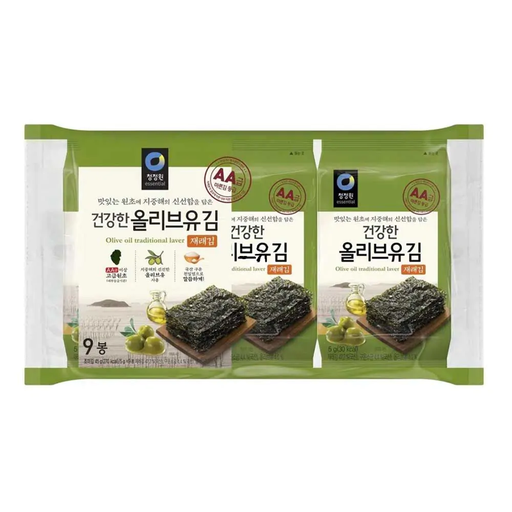
Why this suits the profile: The pack contains nine small portions, handy for anyone who wants to spread their Korean seaweed snack over several eating occasions.
The portioned packaging prevents an opened large bag from being exposed to air and moisture for too long.
Nine packs, made with dried laver and corn, olive and sesame oil according to the product information. Contains sesame.
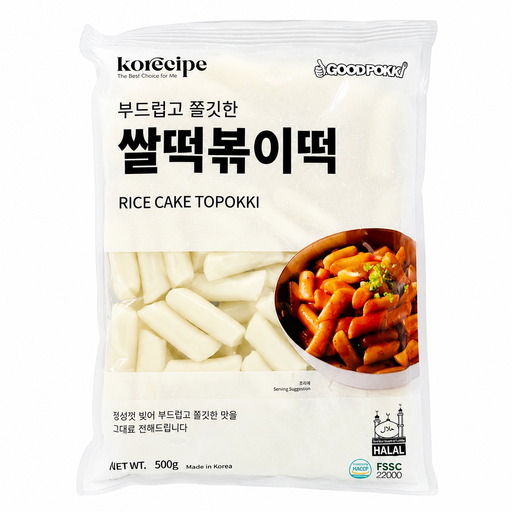
Why this suits the profile: The plain rice cakes are ideal for home cooks who want to add their own sauce, vegetables and other ingredients.
You decide the amount of sauce and heat level yourself, rather than being stuck with one ready-made flavour.
500g pack, with rice as the main ingredient. According to the product information, it contains wheat and may contain traces of fish, crustaceans or molluscs.
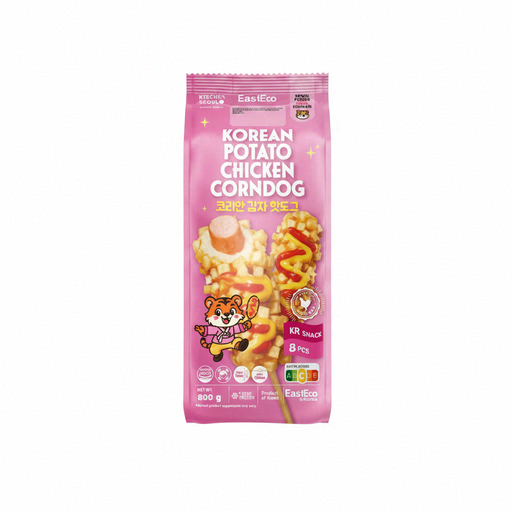
Why this suits the profile: This frozen snack is perfect for anyone who wants to recreate a classic street food style at home, with chicken sausage and potato pieces.
The pack contains eight 100g pieces, so the quantity is clear upfront and you don’t need to buy separate batter ingredients.
Chicken breast and chicken sausage filling, with potato in the coating. Contains gluten, soya and celery; possible cross-contamination with peanuts and egg is stated.
We’ve put together a full, up-to-date list of products that fully meet these strict selection criteria and comply with current European safety regulations.
An instant tteokbokki cup is practical because the rice cakes and sauce are already combined. Choose a cheese, rosé or sweet-spicy variety if you want to explore the intensity step by step. Do check the allergens and cooking instructions.
The shelf life varies by brand and packaging. Check the date on the label and follow the storage instructions. After opening, the pack must be sealed well. Frozen products should remain frozen until use and, according to the product instructions, must not be refrozen once thawed.
Look for an explicit halal indication on the product page and packaging. Also check the ingredients list, allergens and preparation method. A product without pork is not automatically halal-certified.
