
Vandaag of morgen in huis

Kwaliteit gegarandeerd

Welkomstaanbiedingen ontgrendelen: GRATIS bezorging | Tot 80% korting | Gratis 30 dagen JoyPlus-proefperiode
Download de app
Korean skincare, also known as K-beauty, is known in the Netherlands for its lightweight textures, multi-step routines and ingredients such as rice extract, niacinamide, centella and ginseng. However, not every Korean skincare product is automatically suitable for your skin. Attractive packaging or a long ingredients list tells you very little if you do not know what your skin needs.
The most common purchasing mistakes are:
A practical routine does not have to be complicated. Start with cleansing, moisturising and protecting your skin from UV rays during the day. Then add no more than one serum or face mask suited to your specific goal.
Do not just look at familiar names on the front of the packaging. Check the ingredients list and pay attention to where active ingredients appear. A product containing niacinamide, hyaluronic acid or rice extract may be suitable for hydration, but the overall formula determines how well your skin tolerates it.
Examples:
When it comes to skincare for sensitive skin, a short ingredients list is not automatically better. However, avoiding several new active ingredients at the same time makes it easier to identify a reaction.
Dry skin may benefit from a richer face cream or a cleansing oil that dissolves make-up and sebum without leaving a tight feeling. Oily or combination skin often prefers a gel cleanser or lightweight lotion.
Use a cleansing oil on dry skin with dry hands. Massage gently and rinse with lukewarm water. You can then use a face cleanser as part of a double-cleansing routine. This is particularly useful when wearing make-up or water-resistant sun cream, but it is not essential for everyone.
If you have oily or blemish-prone skin, pay attention to the complete formula. The word “light” is no guarantee that a product will feel comfortable on every skin type. Try new products on a small area of skin for a few days first.
A SPF 50 sun cream or SPF 50+ should be the final step in your morning routine. Check:
According to the product information, Beauty of Joseon Relief Sun: Rice + Probiotics is labelled SPF50+ PA+++ and fragrance-free. The Aqua-Fresh Rice + B5 version lists SPF50+ PA++++ and a fragrance- and alcohol-free formula. These are product specifications, not a guarantee that every user will have the same experience. Apply enough product and reapply during prolonged exposure, sweating or swimming, following the instructions on the label.
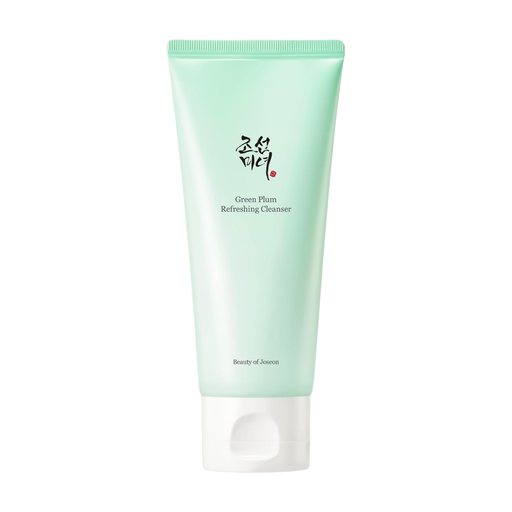
Why it suits this profile: A straightforward face cleanser is a sensible first step for anyone who wants to build a Korean skincare routine gradually. Its gel texture is designed for daily use.
You start with one functional product instead of immediately combining several active serums. According to the product information, the cleanser is free from perfume and essential oils.
100 ml, gel texture, with plum water and glycerine; suitable for all skin types according to the product information.
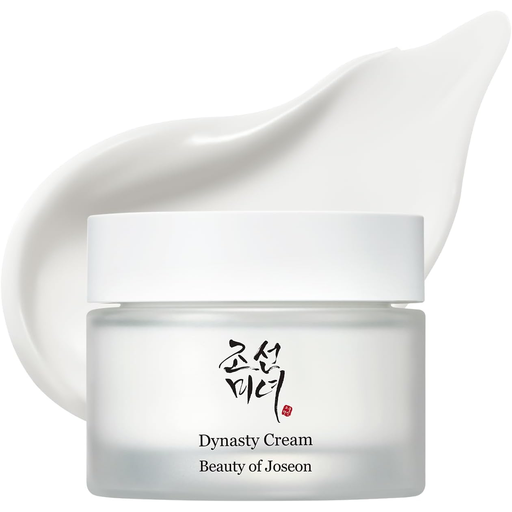
Why it suits this profile: This richer cream is ideal for a routine focused on long-lasting hydration and a comfortable, dewy feel on the skin.
The choice is based on the published formula rather than terms such as “luxurious” alone. The ingredients list includes niacinamide, panthenol, squalane and sodium hyaluronate, among others.
Rich cream formula, 100 ml packaging according to the product listing, and suitable for morning and evening use.
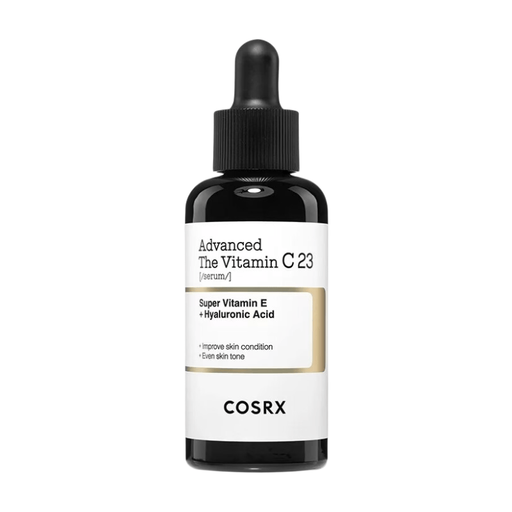
Why it suits this profile: This face serum is designed for users who want to consciously incorporate a concentrated vitamin C formula into their anti-ageing skincare routine.
The 23% ascorbic acid concentration is clearly stated in the ingredients list. The product information recommends a patch test, cool storage and caution when combining it with other powerful active ingredients.
20 ml, 23% ascorbic acid and additional ingredients such as panthenol, squalane and sodium hyaluronate.
We have put together a complete, up-to-date list of products that fully meet these strict selection criteria and the applicable European safety regulations.
For most adults in the Netherlands, this order is practical:
A toner is optional. Beauty of Joseon Glow Replenishing Rice Milk Toner lists a two-phase formula with rice extract and a lotion-like consistency. Shake the product according to the directions if stated on the packaging. For dry skin, this type of toner can feel comfortable underneath a cream; for oily skin, a thin layer is often enough.
That depends on the complete ingredients list and your individual sensitivities. Ideally, choose a simple routine, avoid using several active ingredients at the same time and carry out a patch test. Product information such as “hypoallergenic” or “dermatologically tested” does not guarantee that a reaction will never occur.
Always follow the expiry date and the period-after-opening symbol on the packaging. Vitamin C serums can be particularly sensitive to light, heat and air. The product information for COSRX Vitamin C23 recommends cool storage and use within two months of opening for optimum product quality. Has the colour, smell or texture changed? Check the label first and, if in doubt, do not use the product.
No. Start with a face cleanser, a suitable moisturiser and daily sun protection. Add a hydrating toner, face serum or face mask only when there is a clear reason to do so. This keeps your routine affordable, straightforward and easier to adapt to your skin type.
