
Vandaag of morgen in huis

Kwaliteit gegarandeerd

Welkomstaanbiedingen ontgrendelen: GRATIS bezorging | Tot 80% korting | Gratis 30 dagen JoyPlus-proefperiode
Download de app
Korean skincare is known for lightweight textures, multi-step routines and ingredients such as propolis, niacinamide and centella asiatica. However, a long ingredients list does not automatically mean that a product will suit your skin. Buying Korean beauty products without a plan can leave you with an overcrowded bathroom cabinet, tight-feeling skin or irritation.
The three most common pitfalls:
Treating a high percentage as proof of quality
A product containing 70% propolis sounds convincing, but the percentage does not tell you everything about the complete formula, texture or your skin type. Also check for humectants, oils, fragrances and potential allergens.
Using too many active ingredients at once
Niacinamide serum, azelaic acid serum and exfoliating products can each have a place in a routine. If you use them all at the same time, it becomes difficult to identify which product is causing a reaction.
Using a toner or serum instead of a cream
A facial toner and face ampoule can add moisture, but a hydrating face cream will generally help seal your routine. This final step is particularly important in practical terms if you have dry or sensitive skin.
Do not focus only on popular ingredients. Glycerine, panthenol, betaine, hyaluronic acid and beta-glucan are often used to provide moisture and a comfortable feel on the skin. Ceramide NP is found in some formulas designed to support the skin barrier.
If you have sensitive skin, also check for fragrance, essential oils and fragrance allergens. The SKINFOOD Carrot Carotene Relief Cream, for example, contains several essential oils. According to the product information, these may cause sensitisation in sensitive individuals. That does not make the cream unsuitable for everyone, but it does mean that patch testing is advisable.
A watery toner is easy to apply in layers. An essence-like toner, such as the Propolis Synergy Soothing Toner, has a thicker texture according to the product description. An ampoule or serum is usually more concentrated and is applied after cleansing and, if desired, toning.
For daytime use in the Netherlands, a lightweight gel cream may feel more comfortable under sun cream and make-up. In the evening, a sleeping mask or richer cream may be better suited to dry skin. So consider absorption speed, quantity and when you use it, rather than relying on the marketing name alone.
It is best to test a new product on a small area of skin first. Stop using it if you experience persistent redness, itching, swelling or a burning sensation, and consult a doctor or dermatologist if you have any concerns.
Products containing exfoliating ingredients require extra care. The Some By Mi Beta Panthenol Repair Toner contains citric acid. According to the product information, an alpha hydroxy acid may increase sensitivity to sunlight; therefore, use sun protection during the day and limit excessive exposure to the sun.
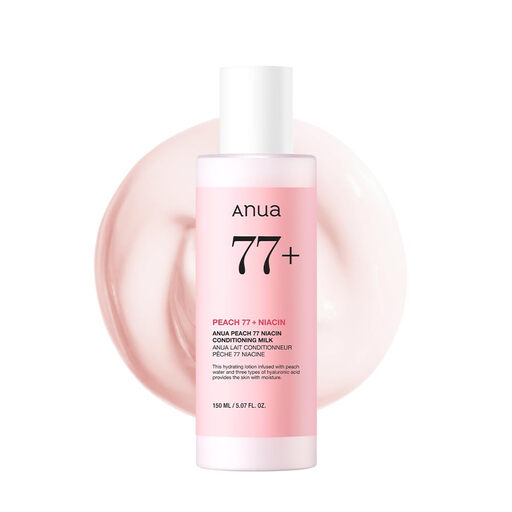
Why it suits this profile: A straightforward product for anyone looking for a lotion-like step without immediately building an extensive routine. The bottle contains 150 ml.
You can check the ingredients list in advance: peach water is listed as the first ingredient, followed by glycerine, panthenol, ceramide NP and several forms of hyaluronic acid, among others. It also contains fragrance, so patch testing is still advisable.
150 ml; the formula contains glycerine, panthenol, ceramide NP and hyaluronic acid derivatives. According to the product information, an irritation score of 0.00 was recorded in a clinical test conducted by the brand.
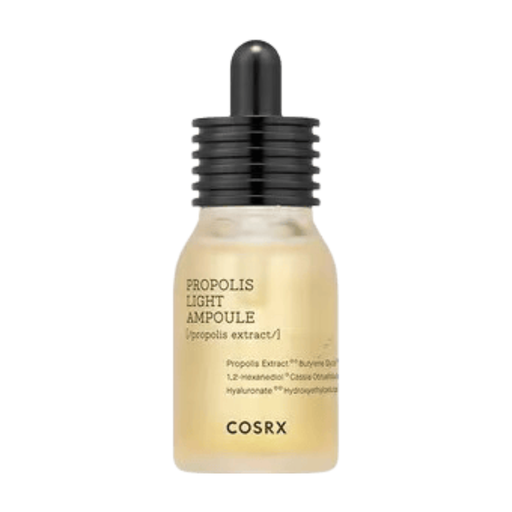
Why it suits this profile: Suitable for experienced users who want to add a separate ampoule to a routine that includes toner and moisturiser.
The formula is relatively straightforward and contains propolis extract, glycerine, betaine, sodium hyaluronate and panthenol. This allows you to introduce the ampoule separately rather than adding several new active products at the same time.
30 ml; use after cleansing and toning; according to the product information, patch testing is recommended, particularly for sensitive skin.
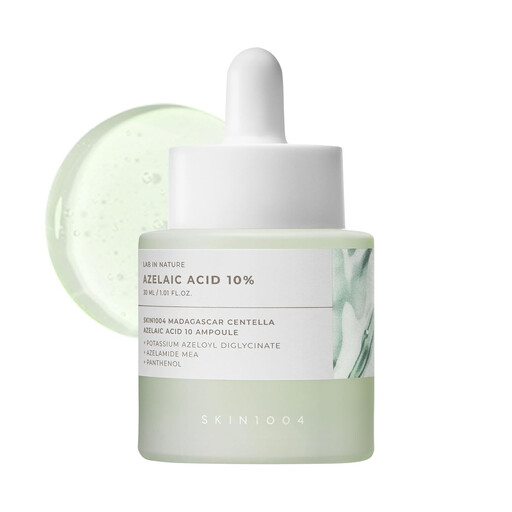
Why it suits this profile: For users specifically looking for an azelaic acid serum without niacinamide, with centella asiatica in the formula.
The product information clearly states that the formula is niacinamide-free and recommends using it every other day at first. This helps you avoid combining multiple active steps too quickly.
10% azelaic acid according to the product name; niacinamide-free; centella asiatica; usage guidance of 2 to 3 drops after toner.
Start with a simple foundation:
A propolis serum is particularly suitable for anyone looking for a nourishing, comfortable feel on the skin. Product claims about soothing, evening out the complexion or reducing redness come from the brands; do not treat them as guaranteed results. A lightweight formula may feel comfortable if you have blemish-prone skin, but cosmetics are not a substitute for medical advice or treatment.
In the evening, you can try a sleeping mask once or twice a week. According to the product information, the iUNIK Propolis Vitamin Sleeping Mask contains 16% propolis extract, 8% vitamin tree fruit extract and 5% centella asiatica leaf water. Start with a small amount to assess how the texture and formula feel on your skin.
We have put together a complete, up-to-date list of products that fully meet these strict selection criteria and the applicable European safety requirements.
Not everyone needs a ten-step routine. For most beginners, cleansing, moisturising and sun protection during the day are enough. You can then add one product at a time, such as a facial toner or niacinamide serum.
It can be, but check the ingredients list carefully. Ideally, choose a straightforward formula and look out for fragrance, essential oils and exfoliating acids. Patch testing remains important, even when a product is described as suitable for sensitive skin.
That depends on the size and how you use it. A 30 ml product used daily at a few drops at a time will generally last longer than one applied in a generous layer. Close the packaging securely, store it somewhere cool and dry, and always follow the expiry information on the packaging.
