
Vandaag of morgen in huis

Kwaliteit gegarandeerd

Welkomstaanbiedingen ontgrendelen: GRATIS bezorging | Tot 80% korting | Gratis 30 dagen JoyPlus-proefperiode
Download de app
Korean skincare, also known as K-beauty, is known for lightweight textures, multiple care steps and ingredients such as centella asiatica, niacinamide, rice extract and hyaluronic acid. However, a lengthy routine is not automatically right for your skin. Buying skincare sets, serums and face masks without a plan can leave you with overlapping ingredients, irritation or products that go unused.
The following points will help you compare Korean skincare objectively and choose a routine that suits your skin type, budget and daily habits.
A complete skincare set may seem convenient, but it sometimes contains several products with a similar purpose. For example, a toner, ampoule and serum may all hydrate the skin. That is not necessarily needed. It is better to start with a simple foundation:
You can then add no more than one targeted product, such as a serum for dark spots or acne skincare.
Words such as “glow”, “glass skin” and “pore minimising” say little about whether a formula is right for you. According to a brand’s own research, certain ingredients may have a visible effect, but results are not the same for every user. Pay particular attention to the full ingredients list, concentrations where these are stated and the directions for use.
A product containing salicylic acid, glycolic acid, azelaic acid or retinal also requires gradual introduction. Using more active ingredients at the same time increases the chance of tightness or irritation.
A product may be described as suitable for all skin types, while the formula still contains fragrance, alcohol, essential oils or several exfoliating ingredients. Always check the packaging. Product information can change; the INCI list on the official EU packaging takes precedence.
Test a new product on a small area of skin first. Stop using it if you experience persistent redness, itching, swelling or a burning sensation, and seek medical advice if necessary.
Do not just look at the name on the front. Examples include:
SPF 50 facial sunscreen is an essential morning step when using active ingredients or when you want to protect your skin from UV radiation. Beauty of Joseon Relief Sun lists SPF50+ and PA+++ in its product information. According to the product description, the formula contains rice extract, among other ingredients, and is offered as fragrance-free.
A high SPF only works when you apply enough product and reapply after prolonged exposure, sweating or swimming. Also check that the product displays EU-compliant labelling, an ingredients list, shelf life and a responsible person for the European market.
Compare the quantity with the price. A set containing small travel sizes is suitable for trying out a routine, but may be more expensive per millilitre. Also check:
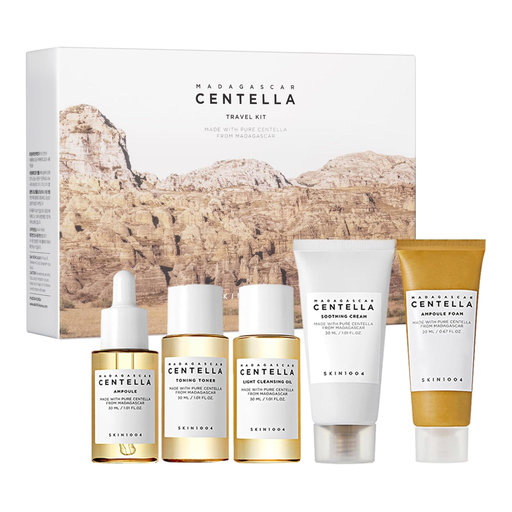
Why it suits this profile: The set contains five steps and is practical for beginners who want to try a complete basic routine without having to search for each product separately.
The steps and order are listed: cleansing, toner, ampoule and cream. This means you have less to work out for yourself. Do check the current packaging, as ingredients may change.
Five products and 450 ml in total according to the product information; contains centella asiatica, glycerine and hyaluronic acid, among other ingredients.
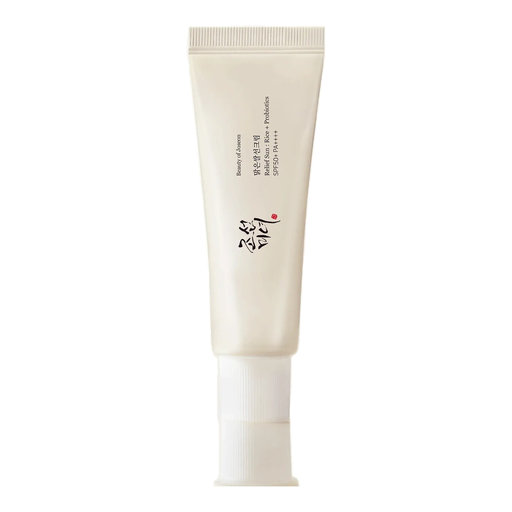
Why it suits this profile: Suitable for anyone who wants to make daily facial protection a regular part of a well-rounded routine and prefers a lightweight cream formula.
The product information lists SPF50+ and PA+++. Always check the EU packaging on delivery and apply enough product; a high rating does not replace using the correct amount.
50 ml contents; according to the product information, fragrance-free and intended for all skin types, with rice extract and fermented ingredients.
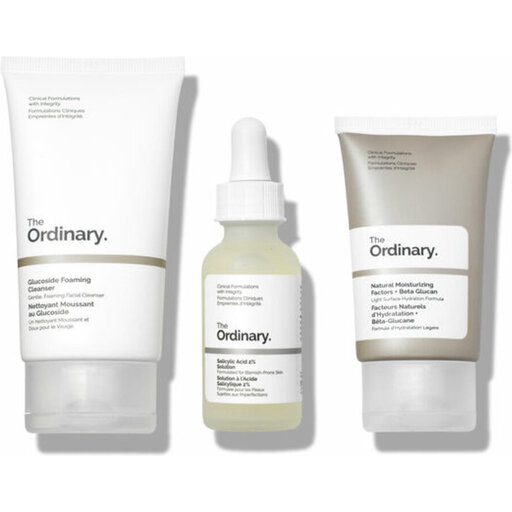
Why it suits this profile: A practical choice for anyone mainly dealing with clogged pores and blemishes who prefers to follow a clear three-step plan.
The set identifies the three components separately: cleanser, 2% salicylic acid and gel cream. Introduce the serum gradually and do not combine it immediately with several other exfoliants.
110 ml total contents; the set contains a glucoside foaming cleanser, Salicylic Acid 2% Solution and Natural Moisturizing Factors + Beta Glucan.
Why it suits this profile: The routine contains several hydrating and soothing steps, making it useful for anyone seeking a gentle Korean facial skincare routine without introducing lots of acids straight away.
The discovery kit allows you to get to know the products first. Test the products individually, as the cleansing oil lists fragrances and essential oils among its ingredients.
Five-piece set with 450 ml in total; according to the product information, contains centella asiatica, glycerine, ceramides and hyaluronic acid in various formulas.
Do not use all active products at the same time. A practical routine could be:
The COSRX Acne Pimple Master Patch and Clear Fit Master Patch are examples of hydrocolloid patches. According to the product description, they are designed to cover a spot and absorb moisture. Do not use them on open wounds or severely irritated skin.
If you want to tackle dark spots, compare alpha-arbutin, niacinamide and tranexamic acid, but do not combine several serums straight away. For mature skin, a product containing retinal may be worth considering; start according to the packaging and use sun protection the following morning.
We have put together a complete, up-to-date list of products that fully meet these strict selection criteria and the applicable European safety regulations.
For most beginners, three to four steps are enough: cleansing, hydrating, moisturising and SPF during the day. Only add an extra toner, serum, face mask or acne patches when there is a clear reason to do so.
It can, but check for fragrance, alcohol, essential oils and exfoliating acids. Test each new product separately and start by using it infrequently. A product that a brand’s own research says is suitable for sensitive skin is no guarantee that every user will tolerate it well.
This depends on the contents, dosage and frequency of use. Check the expiry date and period after opening on the packaging. With daily use, 30 ml serums generally run out sooner than a cleanser or moisturiser with a larger volume. Store products somewhere cool and dry, away from direct sunlight.
