
Vandaag of morgen in huis

Kwaliteit gegarandeerd

Welkomstaanbiedingen ontgrendelen: GRATIS bezorging | Tot 80% korting | Gratis 30 dagen JoyPlus-proefperiode
Download de app
A serum can be a valuable step in your daily skincare routine, but a high concentration or eye-catching claim does not automatically mean the product is right for your skin. Anyone searching for Korean skincare serums will often come across terms such as glow, refined pores, anti-ageing and serum for dark spots. The key differences, however, are mainly found in the ingredient list, directions for use and skin tolerance.
A vitamin C serum, niacinamide serum, azelaic acid serum and retinol serum can each have a different place in your routine. If you use several powerful formulas at the same time, it becomes difficult to identify which product is causing a reaction. Your skin may also feel dry or tight.
That is why it is best to start with one new active serum. Only add more once your skin is tolerating the product well.
Words such as “radiant”, “restorative” or “refined pores” often describe the aim of a formula, but they are not a guarantee for every user. According to some brands’ own research, visible changes may appear after a certain period; such results will not necessarily apply to every skin type.
Instead, look for information that can be checked:
A hydrating serum with glycerine, hyaluronic acid or panthenol can be a sensible choice for dry or sensitive skin. A lightweight ampoule with centella may suit you if you mainly want a simple, comfortable-feeling routine. For oily or blemish-prone skin, a thin gel texture may feel more pleasant than a richer formula.
Also check for fragrance and potential allergens. Product information may differ from that on older packaging. If in doubt, always check the ingredient list on the product itself.
For dull skin or an uneven complexion, you could look for a vitamin C serum, niacinamide, alpha-arbutin or tranexamic acid. A serum for pigmentation or a serum for dark spots is cosmetic skincare; it is not a substitute for advice from a doctor or dermatologist.
Centella asiatica, panthenol, beta-glucan and allantoin are often used for redness and skin that looks unsettled. A centella ampoule usually has a lightweight texture, making it easy to add to a routine.
If your focus is visible signs of skin ageing, you could look for peptides, adenosine or a retinol serum. Retinol and retinal require extra care: start by using them infrequently, generally apply them in the evening and avoid using them on irritated skin. SKIN1004’s product information also states that use during pregnancy or breastfeeding is only suitable following advice from a healthcare professional.
A higher percentage is not always more practical. According to the product information, the SKIN1004 Azelaic Acid 10 Ampoule and the ANUA Azelaic Acid 10 Hyaluron Redness Soothing Serum both contain 10% azelaic acid. Both product descriptions recommend starting gradually, for example every other day or once to twice a week.
An AHA formula also deserves careful consideration. OLAY Vitamin C Serum contains AHA and 3-O-Ethyl Ascorbic Acid. The packaging warns that AHA can increase sensitivity to sunlight. During the day, use a broad-spectrum sunscreen and follow the official directions for use.
A thin serum is often absorbed quickly and can work well under a moisturiser or sunscreen. An essence is usually more fluid and is often applied after cleansing and, if required, toning. Also consider the volume in relation to how you plan to use it. A 9 ml ampoule is useful for trying an active ingredient first, while 55 or 100 ml may be more appealing for daily use.
Check the expiry date, batch code and period after opening on the packaging. Store serums in a cool, dry place away from direct sunlight, and close a pipette bottle securely after use.
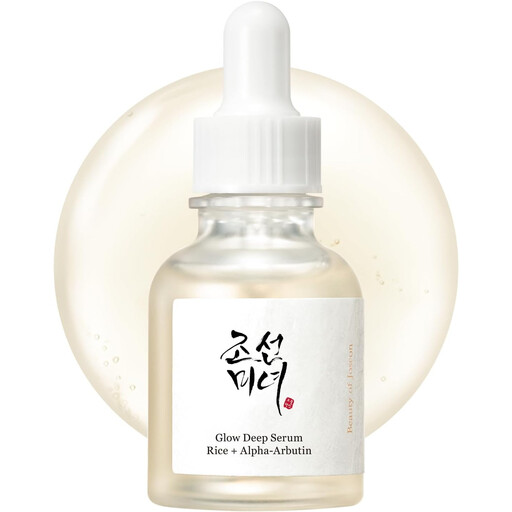
Why it suits this profile: The lightweight 30 ml formula combines rice bran water, 2% alpha-arbutin and niacinamide. This makes it a straightforward choice for anyone looking to add a serum for dark spots and dullness without creating a lengthy routine.
The product information lists specific ingredients and provides a clear evening routine. This means you do not have to rely solely on a general glow claim.
30 ml; 2% alpha-arbutin; according to the product details, free from fragrance and alcohol.
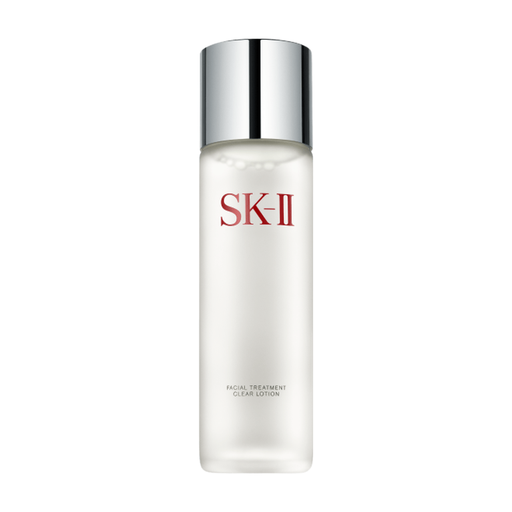
Why it suits this profile: According to the product description, this essence contains more than 90% PITERA and is designed for a routine focused on dryness, dullness and uneven texture.
The formula is summarised clearly, allowing you to compare the product specifically with serums containing several acids or retinoids.
30 ml; fluid essence texture; suitable for several skin types according to the product information.
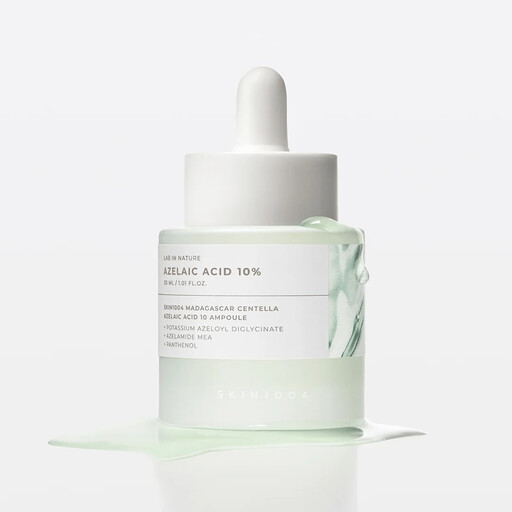
Why it suits this profile: According to the ingredient list, the 9 ml ampoule contains 10% azelaic acid, centella asiatica, panthenol and hyaluronic acid. This makes it suitable for targeted care of blemish-prone-looking or uneven skin.
The directions recommend building up use gradually. This helps prevent you from immediately combining several active products every day.
10% azelaic acid; 9 ml; contains centella, panthenol and hyaluronic acid.
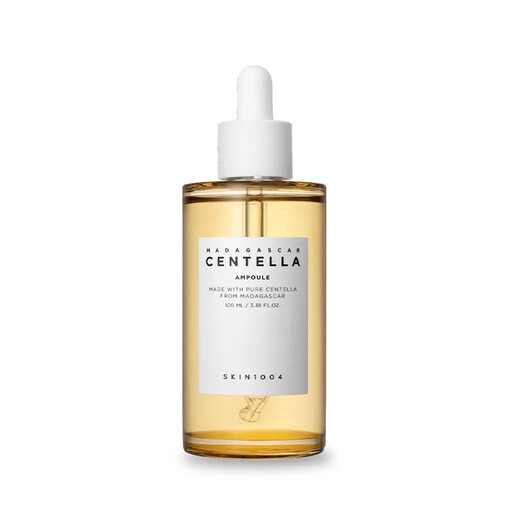
Why it suits this profile: The formula is described as a simple ampoule with centella asiatica extract. The generous volume is practical for anyone who wants to use a hydrating serum every day.
A short routine with one ampoule makes it easier to introduce new ingredients gradually and monitor your skin’s reaction.
100 ml; centella asiatica as the key ingredient; suitable for daily use according to the product description.
We have compiled a complete, up-to-date list of products that fully meet these strict selection criteria and the applicable European safety regulations.
A niacinamide serum can be an accessible choice for many routines, but check whether you are already using niacinamide in other products. When choosing a serum for sensitive skin, a short ingredient list is often easier to assess than a formula containing lots of active ingredients.
It is best to start with one serum. Once your skin is tolerating it well, you could add a second product at another time of day. Do not combine retinol, AHA and other active ingredients without first checking the directions and warnings.
This depends on the volume and the number of drops used each time. A 30 ml bottle will generally last longer with daily use than a 9 ml ampoule. Always check the expiry date and period after opening on the packaging.
Look for a lightweight, non-sticky formula and ingredients such as azelaic acid, niacinamide, panthenol or centella. A serum is not a treatment for a medical skin condition. Stop using it if irritation persists and seek advice from a healthcare professional if necessary.
