
Vandaag of morgen in huis

Kwaliteit gegarandeerd

Welkomstaanbiedingen ontgrendelen: GRATIS bezorging | Tot 80% korting | Gratis 30 dagen JoyPlus-proefperiode
Download de app
Korean skincare serums are popular thanks to their lightweight textures, caring ingredients and wide range of options. However, an attractive label does not guarantee that a face serum will suit your skin. If you rely solely on terms such as “glow”, “glass skin” or “intensive repair”, you could end up with a product that stings, feels sticky or sits unused in your bathroom.
Pay particular attention to the active ingredients, concentration, directions for use and skin compatibility. Below, you’ll discover the common pitfalls and how to choose Korean serums that fit practically into your routine.
A serum containing lots of plant extracts, peptides and different acids may seem appealing, but more ingredients do not automatically mean a better choice. For sensitive skin, a simple formula containing ingredients such as glycerine, panthenol or hyaluronic acid may feel more comfortable than a product with several active ingredients.
Also check that the product really is a serum. An ampoule, essence, toner and booster may be used in similar ways, but they differ in texture and formulation.
A niacinamide serum, azelaic acid serum, vitamin C serum or retinol serum can work well in a routine, but a higher concentration often requires greater care. Products containing 10% azelaic acid or 10% niacinamide are not automatically suitable for daily use from the very first day.
Start with a small amount and use the product less frequently. Stop if you experience persistent redness, itching, swelling or a burning sensation. A serum for dark spots or a serum for redness is cosmetic skincare; it does not replace a diagnosis or treatment from a doctor.
Vitamin C, exfoliating acids, azelaic acid and retinoids can form part of a routine that requires extra attention to sun protection. Always follow the warnings on the packaging. Use a broad-spectrum sunscreen during the day and avoid combining several strong active products until your skin has become accustomed to them.
Choose based on your goal first:
A brand’s product description contains marketing claims. Do not treat these as guaranteed results. According to Dr. Althea’s product description, the Vitamin C Boosting Serum contains ingredients including sea buckthorn water, niacinamide, tranexamic acid and 3-O-ethyl ascorbic acid. These are verifiable formulation details; the eventual effect may vary from one person’s skin to another.
A watery serum generally absorbs quickly and works well under sunscreen or make-up. A gel or oil-based formula may feel more comfortable on dry skin, but can feel heavy on oily skin. Also compare the size: 9 ml is different from 30, 50 or 100 ml.
Check the expiry date, batch information and period after opening. Ingredients can change, so compare the INCI list on the packaging with the online product information. Store serums according to the label, usually tightly closed and away from direct sunlight.
Do not immediately use a retinol serum, exfoliating toner and vitamin C serum in the same routine. Introduce one new product at a time. Apply a serum after cleansing and toner in most cases, followed by a moisturiser. During the day, finish with sunscreen.
A patch test on a small area of skin can help you assess tolerance in advance. This does not provide a complete guarantee, but it does reduce the risk of treating a large area of your face straight away.
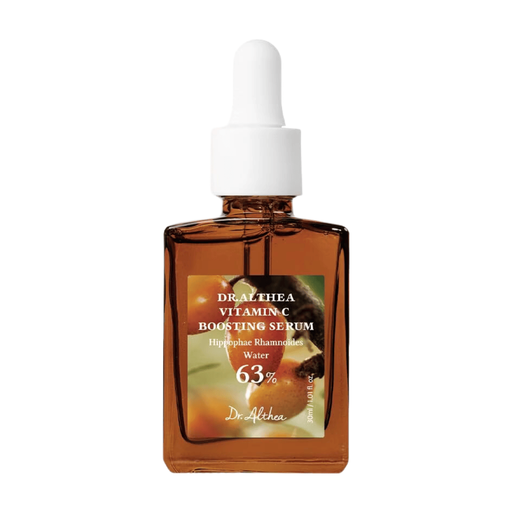
Why it suits this profile: Ideal if you’re looking for a brightening formula with several supporting ingredients and are prepared to examine the INCI list carefully.
The product description lists the vitamin C forms present and warns about sun sensitivity, making daily SPF use an essential part of the choice.
30 ml; contains niacinamide, tranexamic acid, alpha-arbutin, ceramide NP and hyaluronic acid, among other ingredients.
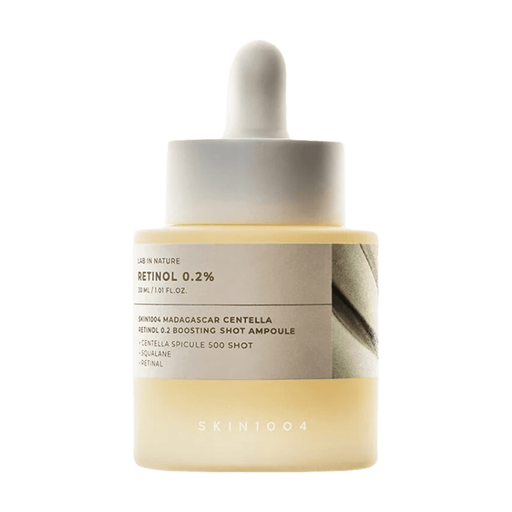
Why it suits this profile: This is a good choice for users who want to build a retinol routine consciously and take the time to introduce it gradually.
The instructions recommend evening use, a low starting frequency and reducing use if irritation occurs. The packaging also includes warnings about retinol and sunlight.
9 ml; the listed ingredients include retinol, retinal, squalane, panthenol and madecassoside.
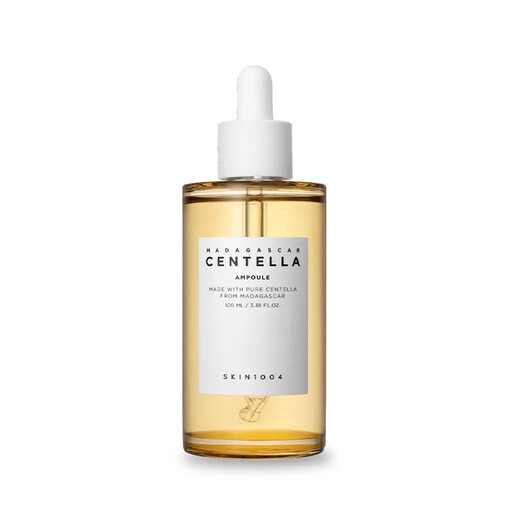
Why it suits this profile: Its simple positioning around Centella Asiatica and generous size suit a calm daily routine.
There’s no need to combine several active serums at once. However, always check the current ingredients list on the packaging.
100 ml; the product description lists Centella Asiatica as the key ingredient and recommends using 2 to 3 drops.
We’ve put together a complete, up-to-date list of products that fully meet these strict selection criteria and the applicable European safety regulations.
First, cleanse your face and apply toner if desired. Then apply a few drops of serum to your skin. Finish with a moisturiser. During the day, sunscreen should be the final step in your routine. When using active ingredients such as retinol, azelaic acid or vitamin C, follow the specific instructions on the packaging.
Look for a short, fragrance-free formula containing hydrating or soothing ingredients such as panthenol, glycerine, hyaluronic acid or Centella Asiatica. Introduce a serum for sensitive skin gradually and test it on a small area first. Even a product described as gentle can cause irritation for some users.
This depends on the size, dosage and frequency of use. A 30 ml bottle used at a few drops per application will often last longer than a product where you use a full pipette. After opening, check the stated period, such as 12M, and keep the serum tightly closed and away from direct sunlight.
