
Vandaag of morgen in huis

Kwaliteit gegarandeerd

Welkomstaanbiedingen ontgrendelen: GRATIS bezorging | Tot 80% korting | Gratis 30 dagen JoyPlus-proefperiode
Download de app
Korean skincare serums are popular because they often combine lightweight textures with targeted ingredients. But an attractive label doesn’t guarantee that a product will suit your skin or routine. Whether you’re looking for a serum for dark spots, a serum for acne and redness or a hydrating facial serum, it’s easy to fall into the same purchasing traps.
A niacinamide serum with 10 or 15 per cent sounds appealing, but a higher concentration may feel less comfortable on some skin types. So take a look at the rest of the ingredients list, the texture and the directions for use, too. If you have sensitive skin, it’s often wiser to build up gradually rather than using several potent active ingredients at once.
A vitamin C serum, azelaic acid serum, retinol serum and exfoliating product can all have a place in your routine, but not necessarily on the same evening. Trying too many new products at once makes it difficult to tell which one is causing a reaction. Start with one goal and add another step later.
Words such as “brightening”, “glow” and “pore minimizing” often describe how a product is positioned, not a guaranteed result. A brand may cite certain effects based on its own research, but these claims won’t apply to every user. Check the INCI list, product size, recommended frequency of use and any warnings on the packaging.
Choose your skincare goal first, then compare the formulas:
Bear in mind that a product containing a particular ingredient isn’t automatically a medical treatment. If you have persistent acne, severe redness or other skin concerns, seek advice from a doctor or skincare professional.
The concentration should suit your experience and skin condition. According to the product information, the SKIN1004 Azelaic Acid Ampoule contains 10% azelaic acid. The recommended approach is to use the formula every other day to start with. The SKIN1004 Retinol 0.2 Boosting Shot Ampoule is described as containing retinol and retinal, and you can start by using it two to three times a week during the initial period.
When trying new products, apply a small amount to a limited area of skin first. Stop using the product if you experience persistent irritation, swelling, itching or a burning sensation. Retinol products are not recommended during pregnancy or while breastfeeding, unless a healthcare professional advises otherwise.
Don’t compare the price alone; check the product size, too. A 30 ml serum and a discovery set containing several small products are designed for different purposes. Check:
A discovery set can be useful for learning how to build a routine, but it may contain several steps. That doesn’t mean you need to use everything every day straight away.
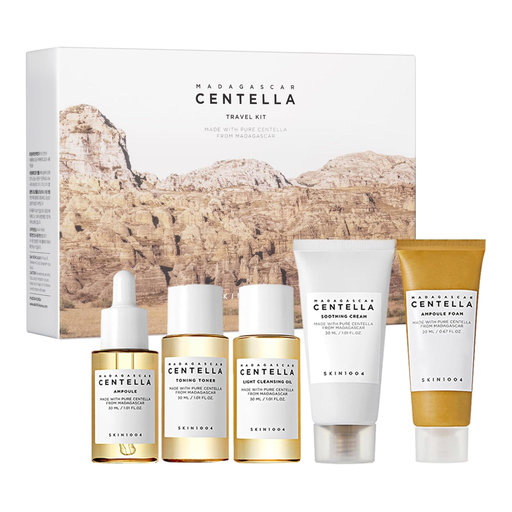
Why it suits this profile: The set contains five steps and a total of 450 ml of product. It’s ideal if you want to try out a complete routine before buying several full-size products.
The steps and order of use are clearly explained. However, check the ingredients of each product, as the cleansing oil contains fragrance components, among other ingredients.
Five products, a clear four-step routine and a range of centella formulas in one set.
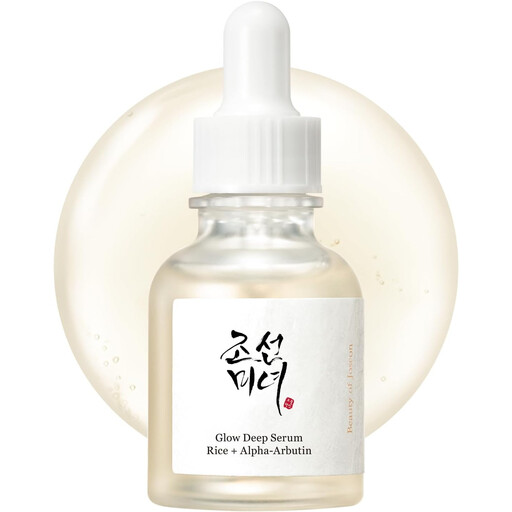
Why it suits this profile: This is a straightforward choice if you’re looking for a serum for dark spots or uneven skin tone and appreciate a short INCI list.
The product information states the 2% alpha-arbutin concentration, so you don’t have to rely on the word “glow” alone.
30 ml size, lightweight texture, rice bran water and alpha-arbutin as clearly identified formula ingredients.
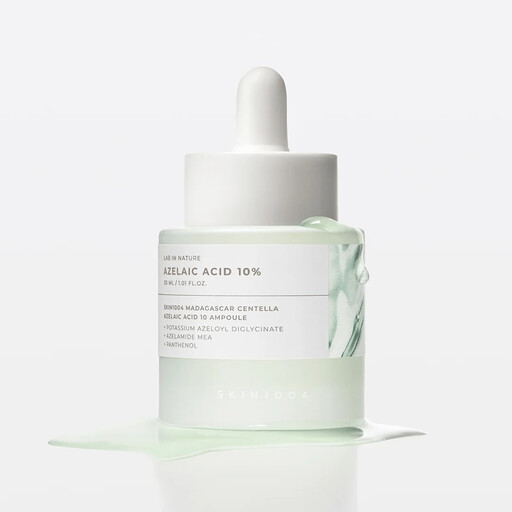
Why it suits this profile: The small size suits users who want to introduce an azelaic acid serum as a targeted step for blemish-prone skin or visible unevenness in skin tone.
The label states that it contains 10% azelaic acid and recommends starting with use every other day. This helps you avoid rushing into daily use.
9 ml size, centella asiatica and panthenol in the ingredients list, with clear warnings for irritated skin.
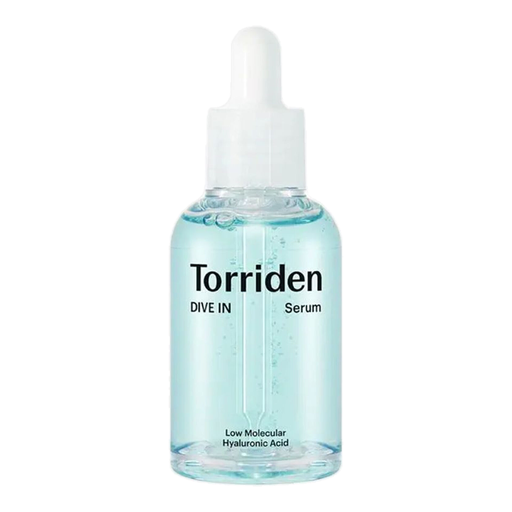
Why it suits this profile: A good choice if hydration is your main priority and you want to compare serums for sensitive skin without retinol or exfoliating acids as the key ingredient.
The product information lists five forms of hyaluronic acid, as well as panthenol, ceramide NP and beta-glucan. Check the current packaging for the definitive INCI list.
50 ml size, described as fragrance-free in the product information, and a formula focused on hydration.
We’ve put together a complete, up-to-date list of products that meet these strict selection criteria and the applicable European safety regulations.
It depends on the formula. Hydrating serums can often be used in the morning and evening, following the label instructions. Start by using active ingredients such as azelaic acid, retinol or retinal less frequently, and only increase how often you use them if your skin tolerates them well.
Look for a short, easy-to-understand ingredients list and avoid products you’ve reacted to before. A fragrance-free hydrating serum can be a practical place to start. It’s also wise to patch test. Stop using the product if you experience redness, itching or swelling.
How long it lasts depends on the product size and how many drops you use each time. With daily use, a 30 ml bottle will generally last longer than a 9 ml ampoule. Always check the shelf-life information on the packaging, and store the product in a cool, dry place away from direct sunlight.
