
Vandaag of morgen in huis

Kwaliteit gegarandeerd

Welkomstaanbiedingen ontgrendelen: GRATIS bezorging | Tot 80% korting | Gratis 30 dagen JoyPlus-proefperiode
Download de app
A serum may seem like a small purchase, but there is a huge range of Korean skincare serums available. Looking for a hydrating serum, a serum for redness or a vitamin C serum? It is easy to focus mainly on striking claims, attractive packaging or a high percentage of an ingredient.
That can lead to disappointing purchases. A formula that feels comfortable on one person’s skin may cause tightness, stinging or redness for someone else. The right choice therefore starts not with the brand name, but with your skin goal, the ingredients list and the instructions for use.
A 10% azelaic acid serum sounds appealing, but a higher concentration may also require a longer adjustment period. For the ANUA Azelaic Acid 10 Hyaluron Redness Soothing Serum, the product information states that dryness or flaking may occur and recommends introducing it gradually.
The form of vitamin C is also important in a vitamin C serum. For example, a formula may contain 3-O-Ethyl Ascorbic Acid alongside a smaller amount of ascorbic acid. So check the full INCI list rather than relying only on the name on the front of the packaging.
A serum for all skin types may be convenient, but it does not tell you how your skin will react to alcohol, essential oils, acids, retinoids or fragrance. Always check the current packaging. The supplied product information may change according to the supplier; the official EU-compliant packaging remains the definitive source.
Combining a vitamin C serum, azelaic acid serum and retinal product can place unnecessary strain on your skin, especially if it is not yet used to active skincare. Start with one new product. This makes it easier to assess what your skin responds well to.
Use this overview as a starting point:
A serum is only practical if you can use it consistently. A formula containing 10% azelaic acid or 0.1% retinal may be more suitable for experienced users than for someone just starting out. Follow the product instructions: some serums are intended for daily use, while retinal products are generally applied in the evening every other night.
A 15 or 30 ml bottle may be sufficient when you only use a few drops at a time. A larger size, such as a 100 ml serum, can be cost-effective for daily hydration, but do check its shelf life after opening.
Keep serums sealed, cool and away from direct sunlight. Correct storage is particularly important for vitamin C, retinal and other sensitive formulas. Stop using the product if irritation persists, and avoid contact with the eyes or damaged skin.
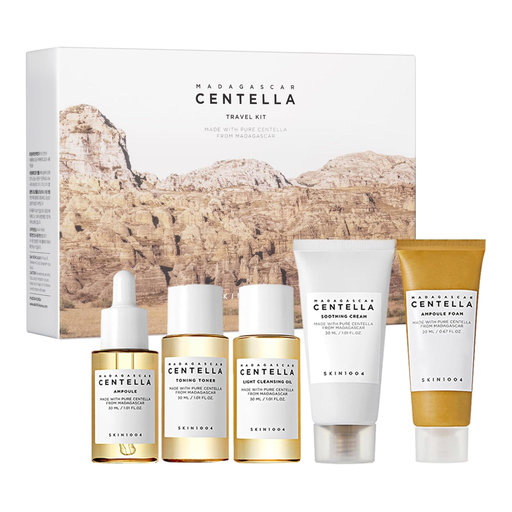
Why it suits this profile: This set contains five steps, including cleansing, toner, ampoule and cream. It is a handy way to try a simple Korean routine without having to choose several separate products straight away.
You are not just buying an active serum; you can build your routine step by step. Do check the ingredients, though, as the cleansing oil contains fragrant oils, among other ingredients.
450 ml in total, divided across five products; centella asiatica features in several steps.
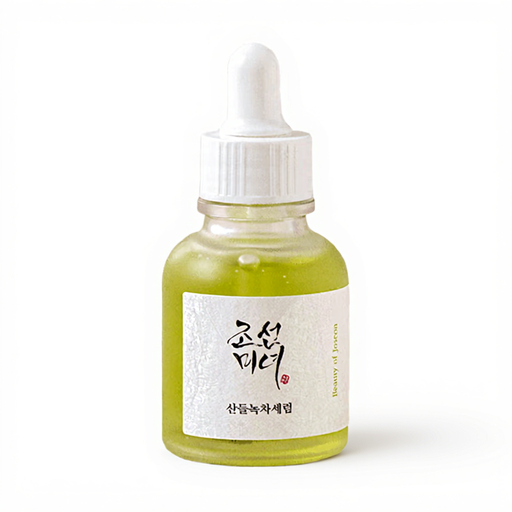
Why it suits this profile: The formula is designed to hydrate and leave skin feeling comfortable. According to the product information, the serum contains green tea water, 5% panthenol, centella and sodium hyaluronate, among other ingredients.
The ingredients list is more straightforward than that of many multi-active formulas. This makes it easier to incorporate the product without layering several exfoliating ingredients.
30 ml; according to the product details, alcohol-free, fragrance-free and vegan.
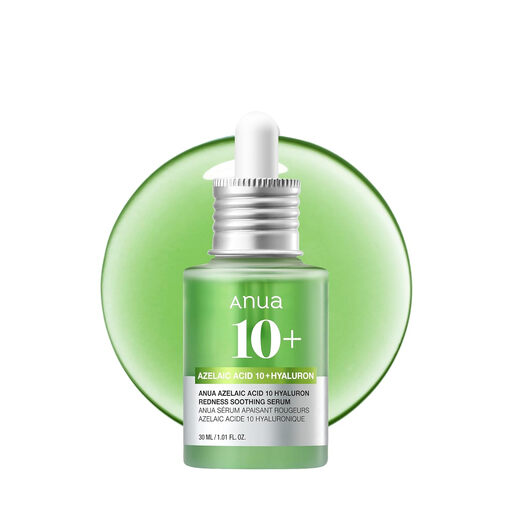
Why it suits this profile: This Korean facial serum is intended for users specifically looking for azelaic acid combined with hydrating and soothing ingredients such as panthenol, glycerine, allantoin and hyaluronic acid.
The instructions recommend starting with once or twice a week and building up gradually. This helps prevent you from using too much product or applying it too frequently from the outset.
30 ml; 10% azelaic acid and ceramide NP are listed among the ingredients.
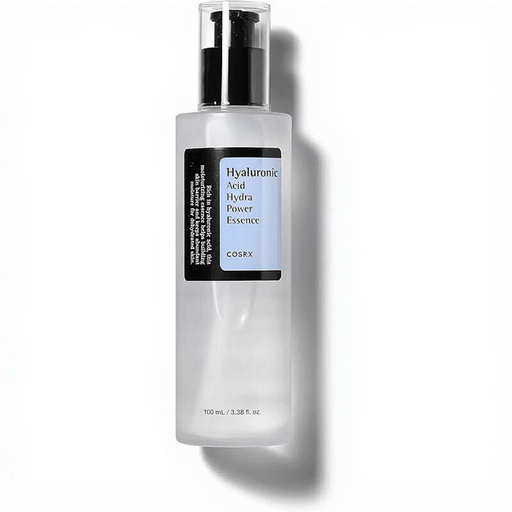
Why it suits this profile: If you are mainly looking for a hydrating serum, this product offers a simple formula with sodium hyaluronate, panthenol and allantoin. The 100 ml size is suitable for daily use.
The short ingredients list makes it easier to combine this serum with other steps in your routine. Add a cream to help lock in moisture.
100 ml; sodium hyaluronate is listed as the second ingredient.
We have put together a complete, up-to-date list of products that fully meet these strict selection criteria and the applicable European safety requirements.
Apply a serum after cleansing and toner, and before moisturiser. Two to three drops are often enough; always follow the label. During the day, use a sunscreen with an appropriate SPF when using vitamin C, azelaic acid, retinal or retinol. According to brands’ own research, ingredients may support various skin benefits, but such claims do not guarantee the same results for every user.
Test a new product on a small area of skin first. Do not introduce several new serums at the same time. When using a serum for sensitive skin, introducing it gradually is particularly advisable.
Look for a limited formula with hydrating and soothing ingredients such as panthenol, centella, glycerine and allantoin. If your skin reacts easily, initially avoid strong combinations of acids, retinal and vitamin C. A patch test is still advisable.
This depends on the size, dosage and frequency of use. With a few drops per application, a 30 ml bottle will generally last longer than a product that is applied generously. Check the expiry date and the period after opening on the packaging.
Some experienced users may be able to do so, but there is no need to use them all at the same time. Start with one active product, build up gradually and use retinal only according to the instructions. If you experience stinging, burning, swelling or persistent redness, stop using the product and seek medical advice.
