
Vandaag of morgen in huis

Kwaliteit gegarandeerd

Welkomstaanbiedingen ontgrendelen: GRATIS bezorging | Tot 80% korting | Gratis 30 dagen JoyPlus-proefperiode
Download de app
Sensitive skin does not always respond well to an extensive Korean skincare routine. Ten different products containing active ingredients can create more confusion than comfort. So if you are looking for Korean skincare for sensitive skin, it is worth looking beyond popular ingredients or attractive packaging.
The most important question is: which product suits your skin’s needs, how often you want to use it and your tolerance?
Niacinamide, azelaic acid, retinol, vitamin C and exfoliating acids each have a different purpose. If you use several active formulas at the same time, it becomes difficult to determine which product is causing a reaction. A simple routine with one new active product at a time is easier to manage.
Centella asiatica, tea tree, plant extracts and essential oils are often found in Korean skincare. However, a natural ingredient can still cause sensitivity for some users. Always check the full ingredients list, particularly if your skin becomes red or stings easily.
Terms such as “repair”, “minimise pores” or “reduce redness” do not automatically describe a guaranteed result. According to a brand’s own research, certain results may have been measured under specific conditions. Pay particular attention to the concentration, texture, size and usage warnings. Product information is not a substitute for medical advice.
For a serum targeting redness or a serum for blemish-prone skin, the active ingredient matters more than the name on the front of the packaging. For example, look out for:
A higher concentration is not automatically more suitable for sensitive skin. It is better to start with a small amount and use it infrequently.
Oily or combination skin often benefits more from a gel cream or lightweight ampoule than from a rich balm. For dryness or a weakened skin barrier, a richer soothing face cream containing ceramide, squalane or shea butter may feel more comfortable.
Also check whether a product contains fragrance, essential oils or multiple plant extracts. This does not mean the product is unsuitable, but it does give you more ingredients to monitor.
A 9 ml product is practical for trying out an active ingredient, but it will run out more quickly than a 50 or 100 ml ampoule. Also check:
Extra care is needed with retinol products. SKIN1004’s product information states that the Retinol 0.2 Boosting Shot Ampoule also contains retinal, must only be used in the evening and should not be used during pregnancy or breastfeeding unless advised by a healthcare professional.
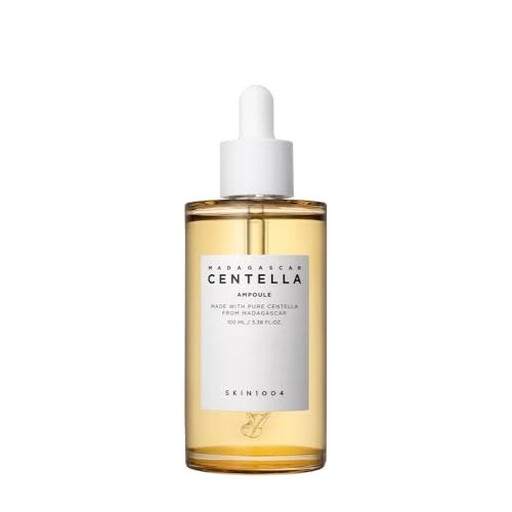
Why it suits this profile: A simple ampoule with centella asiatica is easy to understand for anyone who wants to build a Korean skincare routine step by step.
The formula is described in the product details as a centella ampoule for moisture and a comfortable feel on the skin, without focusing on a long list of strong actives.
55 ml; use 2 to 3 drops on cleansed skin.
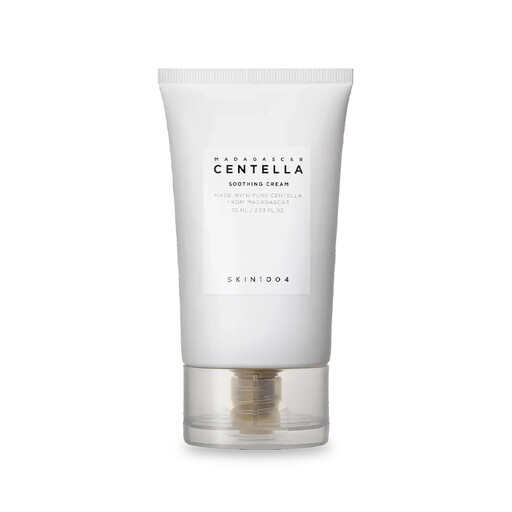
Why it suits this profile: Suitable for anyone who wants to use a dedicated moisturiser with centella and ceramide alongside a serum.
The product information mentions a non-greasy texture and three lipid components. This makes the formula easier to assess than relying on a claim such as “intensive repair” alone.
75 ml; centella asiatica and ceramide are listed in the product description.
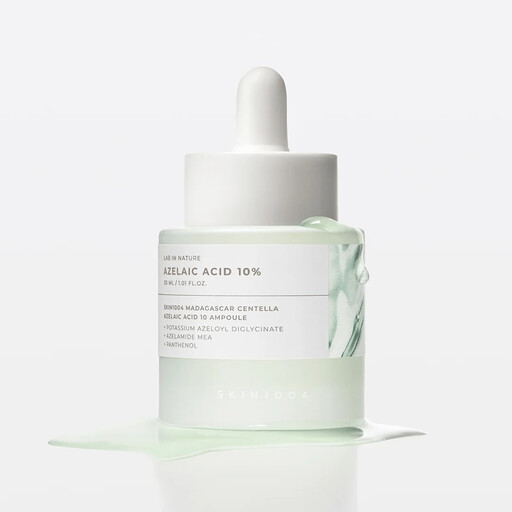
Why it suits this profile: For users who want to add azelaic acid to a routine targeting blemish-prone or redness-sensitive skin.
The formula contains 10% azelaic acid and provides a gradual introduction schedule so that the skin can first adjust to using it every other day.
Niacinamide-free formula; 9 ml; also contains panthenol, allantoin and centella asiatica.
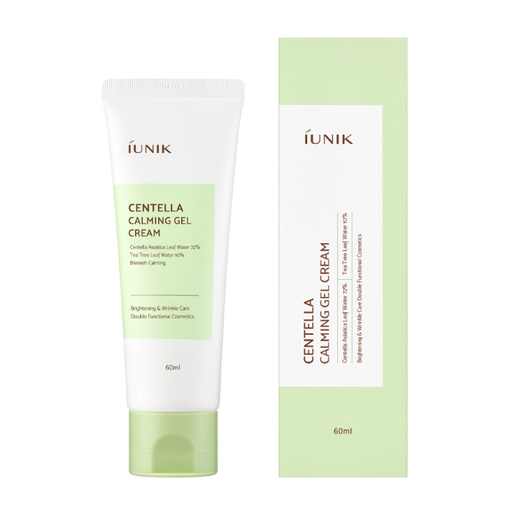
Why it suits this profile: The lightweight gel cream suits anyone who wants to add moisture without a heavy or greasy feel during the day.
The product description mentions a fast-absorbing gel texture without a sticky or heavy finish. If you have sensitive skin, however, check the full ingredients list.
60 ml; centella asiatica, tea tree extract and niacinamide; lightweight gel cream.
Start with a gentle cleanser, followed by one hydrating ampoule or serum and a cream. During the day, add sunscreen as the final step. Want to try an azelaic acid serum, niacinamide serum or retinol serum? Introduce just one active product at a time.
A practical approach:
For skincare targeting blemishes, a lightweight formula can be pleasant to use, but dry skin still needs plenty of hydration. The aim is not to address every skin concern at once, but to choose a routine you can use consistently.
We have put together a complete, up-to-date list of products that fully meet these strict selection criteria and the applicable European safety regulations.
Ideally, choose a routine with few products and straightforward ingredients. Centella asiatica, panthenol, glycerine, hyaluronic acid and ceramide are often found in hydrating and soothing formulas. Test each new product separately.
Some users can, but retinol and retinal require a gradual introduction. Use them only according to the product instructions, do not apply them to irritated skin and always use sunscreen during the day. The SKIN1004 Retinol 0.2 Boosting Shot Ampoule also warns against use during pregnancy and breastfeeding without advice from a healthcare professional.
This depends on the product size and dosage. An ampoule of 50 or 100 ml will generally last longer with daily use than a 9 ml product. Check the expiry information on the packaging and store products in a cool, dry place away from direct sunlight.
