
Vandaag of morgen in huis

Kwaliteit gegarandeerd

Welkomstaanbiedingen ontgrendelen: GRATIS bezorging | Tot 80% korting | Gratis 30 dagen JoyPlus-proefperiode
Download de app
Korean skincare, also known as K-beauty, is known for its lightweight textures, multiple steps and ingredients such as centella asiatica, rice extract, niacinamide and hyaluronic acid. However, an elaborate Korean skincare routine isn’t automatically right for everyone. If you buy several serums, toners and creams without a plan, you could end up with a crowded bathroom and irritated skin.
With this guide, you’ll discover which Korean skincare suits your skin type, budget and daily habits. You’ll find practical selection criteria and a few product options based on verifiable specifications.
A nine-step routine may sound appealing, but you don’t need to start using a cleanser, toner, essence, serum, eye serum, mask, day cream and sunscreen all at once. Introducing several new products at the same time makes it difficult to work out which one is causing a reaction.
It’s better to start with:
Words such as “glass skin”, “glow” and “anti-ageing” don’t guarantee a particular result. Check the full ingredients list, instructions for use and product features. A serum containing retinal or retinol, for example, should be introduced gradually. A product containing acids or azelaic acid may also be unsuitable for immediate daily use.
Claims about how a product works come from brands or sellers and shouldn’t be taken as a medical guarantee. According to some brands’ product information, certain formulas are intended to give skin a more even-looking appearance or feel more comfortable on the skin. That’s not the same as treating acne, pigmentation or wrinkles.
Sunscreen protects against UV radiation, but it doesn’t replace a cleanser or moisturiser. Check that the product is suitable for everyday use and follow the instructions on the packaging. According to the usage information, products containing retinol or certain brightening ingredients may call for extra care with sun protection.
An oil cleanser or richer cream may feel comfortable on dry skin. Oily or combination skin may benefit more from a lightweight gel texture. If you’re looking for skincare for sensitive skin, it’s worth checking fragrance, essential oils and long lists of active ingredients carefully.
Also look out for conflicting product information. A product may be described as suitable for all skin types, even though its ingredients list includes fragrance or plant oils that not everyone tolerates.
Where possible, choose one main goal for each new product:
Always check the latest ingredients list on the packaging. Product formulas can change.
A 30 ml serum may seem small, but a few drops per application may be enough. Check the expiry date, period after opening and storage advice. Keep active products out of direct sunlight and away from high temperatures.
A patch test is a good idea if you have sensitive or acne-prone skin. Stop using the product if you experience persistent redness, itching, swelling or a burning sensation, and consult a doctor if necessary.
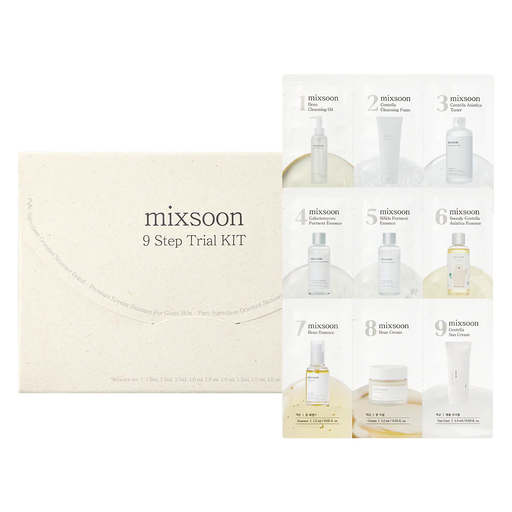
Why it suits this profile: The nine sachets let you try different steps and textures without having to buy several full-size products straight away.
You don’t have to buy a full-size routine straight away. The set includes a cleansing oil, foam cleanser, toner, essences, cream and sun cream.
Nine individual sachets; 11 ml in total; a handy way to get to know a routine step by step.
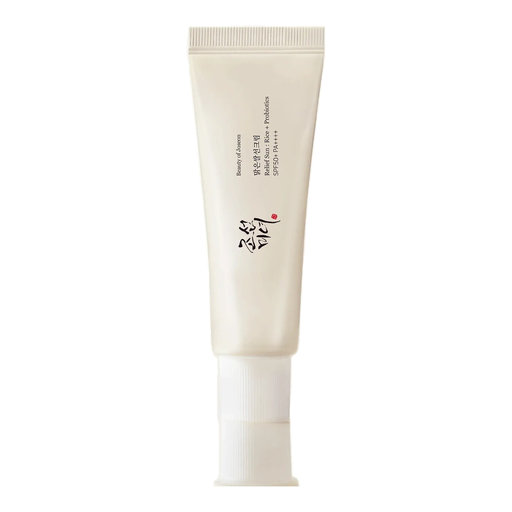
Why it suits this profile: A good choice if you want to use a facial sunscreen every day, with a lightweight cream formula and SPF 50+.
The product information states that it offers SPF 50+ and is fragrance-free. Always check the current packaging and official sunscreen information before buying.
50 ml; SPF 50+; product information lists rice extract and a lightweight texture.
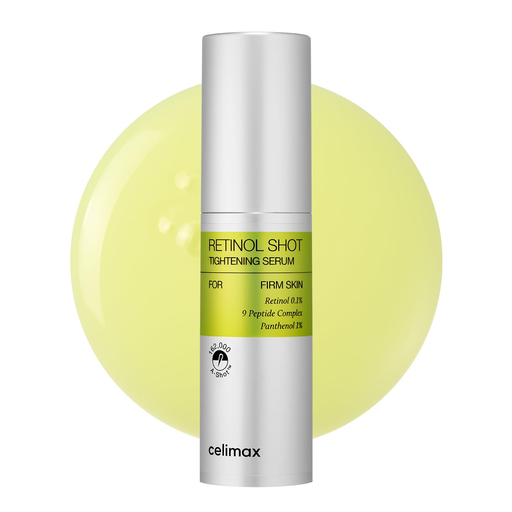
Why it suits this profile: This serum is designed for anyone looking to include retinol in their anti-ageing skincare routine and willing to build up use gradually.
The instructions recommend evening use, a patch test and starting with twice-weekly application. This helps you avoid using too many active ingredients straight away.
30 ml; contains retinol; the formula lists panthenol, allantoin and peptides.
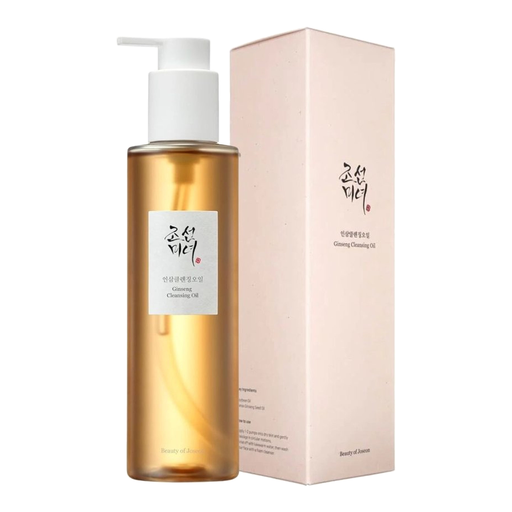
Why it suits this profile: This oil is designed to remove make-up, sebum and dirt, and can be followed by a water-based cleanser.
You’re using a product made specifically for the first cleansing step, rather than removing make-up with any old soap or harsh cleanser.
210 ml; pump bottle; product information lists soybean oil and ginseng seed oil.
We’ve put together a complete, up-to-date list of products that meet these strict selection criteria and the applicable European safety regulations.
In the morning:
In the evening:
Toner is optional. A serum is designed to target a specific concern and doesn’t need to be part of every routine. Introduce new products one at a time.
For most adults, a simple routine with cleanser, moisturiser and sunscreen is a sufficient starting point. You can add a toner, essence or serum when you have a specific goal in mind. More steps don’t automatically mean better results.
It depends on the amount in the product, how much you use and how often you apply it. A 30 ml product may last from a few weeks to a few months with daily use. Always check the expiry date, period after opening and instructions on the packaging.
It depends on the formula. If you’re looking for skincare for acne-prone skin, keep your routine simple and check for fragrance, essential oils and active ingredients. Test new products on a small area of skin first. If symptoms persist, it’s better to seek advice from your GP or a dermatologist than to keep adding more products.
