
Vandaag of morgen in huis

Kwaliteit gegarandeerd

Welkomstaanbiedingen ontgrendelen: GRATIS bezorging | Tot 80% korting | Gratis 30 dagen JoyPlus-proefperiode
Download de app
Korean skincare is about much more than pretty packaging and a long list of ingredients. When you’re specifically looking for Korean serums, toners, masks or skincare sets, it’s easy to buy too much or combine products that don’t work well together. Especially if you have breakouts, redness, pigmentation or dehydrated skin, it’s important to build up your routine gently.
The three most common pitfalls:
Too many active ingredients at once
A vitamin C serum, niacinamide serum, exfoliant and retinol serum can each be interesting on their own. Used together, however, they can leave your skin feeling uncomfortable. It’s best to start with just one new active product.
Confusing marketing claims with guaranteed results
Words like “glow”, “glass skin” and “anti-ageing” often describe a brand’s positioning. They are not a guarantee of a particular outcome. According to a brand’s own research, claims may have been measured under specific conditions; your skin may react differently.
Only focusing on the skin concern
A serum for breakouts isn’t automatically suitable for dry or sensitive skin. Also consider the texture, fragrance, alcohol content, concentration of active ingredients and the instructions for use.
Product ingredients can change. Always check the packaging for the most up-to-date information. For sensitive skin, a fragrance-free formula and a short routine are often practical. Dr. Althea Gentle Vitamin C Serum is described in the product information as fragrance-free and colourant-free. SOME BY MI Galactomyces Pure Vitamin C Glow Serum, on the other hand, lists citrus and lavender oil and fragrance allergens such as linalool and limonene in its product information. That difference matters if you react quickly to fragrances.
Perform a patch test when trying a new product. Stop if irritation persists and seek medical advice when necessary. Cosmetics are not a treatment for a medical skin condition.
A skincare set may seem good value, but check how much product you actually get. A trial kit is handy for trying out a routine, while a 150 ml bottle lasts longer with daily use. Also check the shelf life, the period after opening and the storage advice on the packaging.
Don’t automatically use every step of an extensive routine. A simple base consists of cleansing, a suitable serum or toner, moisturising and, during the day, sun protection. A hydrating serum with hyaluronic acid, for example, can be more logical for dehydrated skin than multiple exfoliating products.
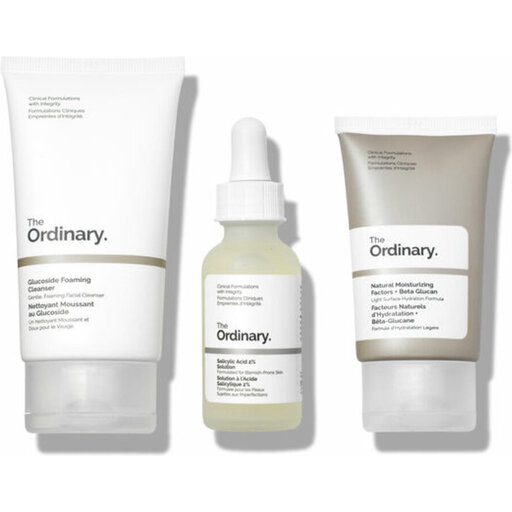
Why this suits the profile: A straightforward 3-step routine for anyone who doesn’t want to combine individual Korean serums, toner and cream straight away.
The set limits the number of steps. According to the product description, the cleanser, 2% salicylic acid serum and gel cream are designed to work together.
110 ml total; three clear components; suitable for teenagers and adults according to the product information.
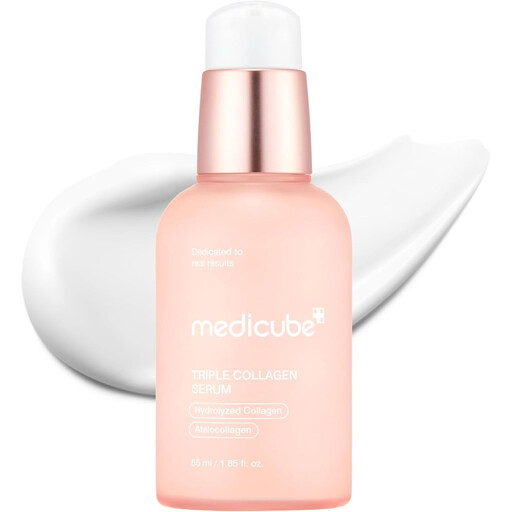
Why this suits the profile: A generous face serum bottle for anyone looking for a comfortable, hydrating serum for a dull or mature complexion.
The product description mentions specific ingredients such as niacinamide, hyaluronic acid and a triple collagen complex, rather than just a vague glow claim.
55 ml volume; lightweight serum texture; according to the product information, suitable for dry, combination, oily, sensitive and mature skin.
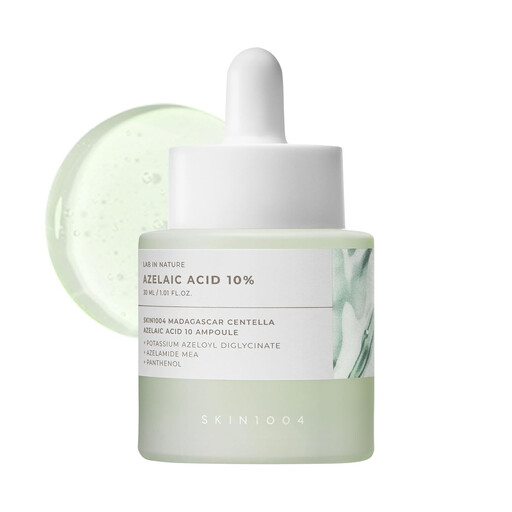
Why this suits the profile: For anyone specifically looking for an azelaic acid serum for oily, sensitive or congested-looking skin and is willing to build up use gradually.
The formula is niacinamide-free. The usage instructions advise starting every other day for the first week and using sun protection during the day.
10% azelaic acid; centella asiatica; 30 ml volume; lightly hydrating ampoule texture.
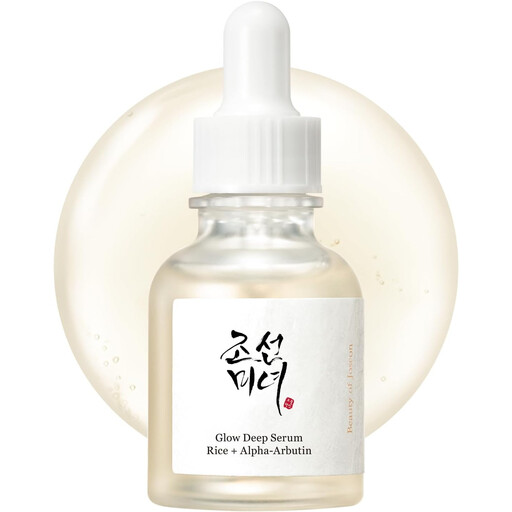
Why this suits the profile: A targeted choice for anyone looking for a hydrating serum with alpha-arbutin for a dull complexion and visible uneven skin tone.
The product information states 2% alpha-arbutin and 68.6% rice bran water, so you can compare the formula concretely.
30 ml; niacinamide in the formula; alcohol-free and fragrance-free according to the product specifications.
We’ve put together a full, up-to-date list of products that fully meet these strict selection criteria and comply with current European safety regulations.
Choose a short routine with gentle cleansing, hydrating ingredients such as glycerine or hyaluronic acid and as few new active ingredients at once as possible. Also check whether a product contains fragrance, essential oils or exfoliating acids. A patch test remains sensible.
That depends on the volume, dosage and frequency of use. A 30 ml serum can last several weeks to a few months with daily use. Always check the expiry date and the period after opening on the packaging. Store vitamin C and retinol products according to the label, usually tightly closed and away from direct sunlight.
This can vary depending on the formula and your skin, but for beginners it’s more practical to spread them out. For example, use vitamin C in the morning and retinol on a few evenings per week. Only add other active products after that, and reduce the frequency if you feel any tightness or irritation.
