
Vandaag of morgen in huis

Kwaliteit gegarandeerd

Welkomstaanbiedingen ontgrendelen: GRATIS bezorging | Tot 80% korting | Gratis 30 dagen JoyPlus-proefperiode
Download de app
Korean skincare, also known as K-beauty, is known for its lightweight textures, multi-step routines and ingredients such as centella asiatica, niacinamide and hyaluronic acid. But more steps don’t automatically mean a better purchase. UK shoppers often pay for products that don’t suit their skin type, combine too many active ingredients or end up unused in the bathroom cabinet after a few weeks.
The three most common pitfalls:
A Korean skincare routine doesn’t have to involve nine steps. Cleansing is the foundation. If you wear make-up, sunscreen or a product with a water-resistant texture, a cleansing oil can be a practical first step. Massage the oil onto a dry face and rinse it off as directed on the packaging. You can then use a gentle facial cleanser if you wish.
Consider the texture and how easily the product rinses off. An oil that leaves a heavy layer behind may not suit someone who doesn’t like double cleansing. A gel or foaming cleanser is simpler for a short morning routine. If you have sensitive skin, check the warnings and ingredients too.
A facial serum is formulated to be more concentrated than a toner or moisturiser. Ideally, choose one main aim:
Start with one serum and don’t use it alongside retinol or exfoliating acids straight away. This makes it easier to assess how your skin responds.
A moisturiser helps reduce moisture loss. A lightweight gel cream may feel comfortable on oilier skin, while a richer cream may be a better fit for dry skin. According to the stated ingredients list, the Beauty of Joseon Dynasty Cream contains glycerin, niacinamide, panthenol and sodium hyaluronate, among other ingredients.
During the day, use a separate sunscreen with an appropriate SPF. This is particularly relevant if you use products containing retinol, kojic acid or other ingredients whose packaging advises extra caution around sun exposure. Always check the official instructions for use and stop using the product if irritation persists.
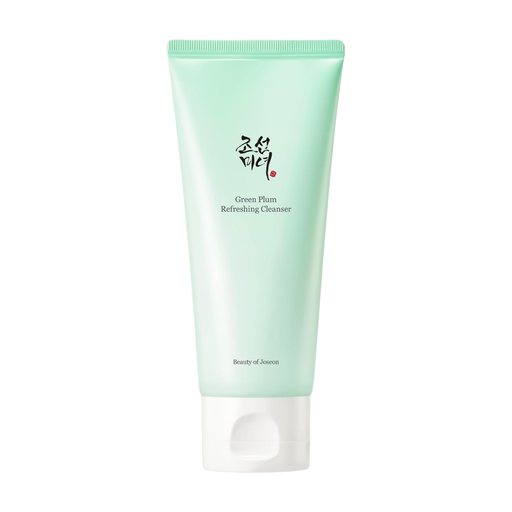
Why it suits this user: A simple gel cleanser is an easy option if you want to try Korean skincare without a complicated routine. It comes in a 100 ml size, and the product description says it is suitable for all skin types.
You’re not buying a large set of steps you may not use. The ingredients list and instructions for use are clearly stated.
Gel texture, 100 ml tube and product information with instructions for gentle daily cleansing.
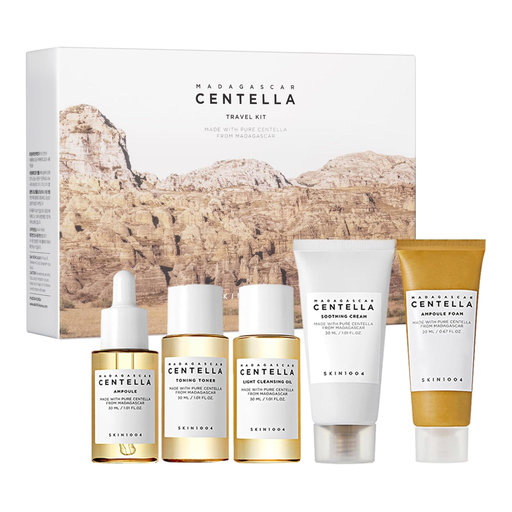
Why it suits this user: This set contains five steps, including cleansing oil, foam cleanser, toner, ampoule and cream. It’s a good fit for anyone who wants to try a complete Korean skincare set.
The full contents and individual product steps are listed, so you can see in advance exactly what you’re buying.
A total set size of 450 ml according to the product information, with several essential routine steps.
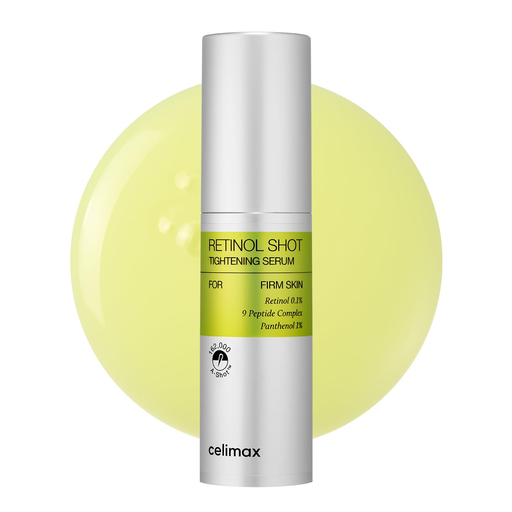
Why it suits this user: This serum is aimed at experienced users who want to add retinol to their evening routine for a specific purpose and are prepared to gradually build up how often they use it.
The packaging advises evening use, a patch test and starting twice a week. This helps you avoid using too much product straight away.
A 30 ml serum with retinol, peptides and hyaluronic acid according to the ingredients list, plus clear precautions about sun exposure.
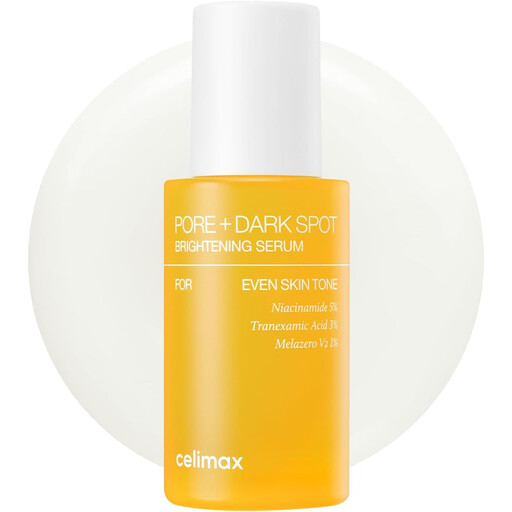
Why it suits this user: The formula is designed for users who want to target visible pores, uneven skin tone and hydration with one serum.
The product information lists concentrations of 5% niacinamide and 3% tranexamic acid. This means you don’t have to rely on vague terms such as “glow”.
Gel texture, pump packaging and a fragrance-free formula according to the product description.
We’ve put together a complete, up-to-date list of products that meet these strict selection criteria and the applicable European safety regulations.
For most beginners, three steps are enough: cleanse, moisturise and protect your skin from the sun during the day. After that, add no more than one toner or serum. An elaborate routine with several essences and serums only makes sense if you actually use the products and your skin tolerates them well.
Check the packaging for the expiry date and the open-jar symbol. This symbol indicates how long the product can be used after opening. Store products in a cool, dry place away from direct sunlight. Serums containing retinol or other sensitive ingredients need extra care when it comes to storage and how often you use them.
That depends on the full ingredients list and how your skin reacts. Ideally, choose a simple formula and avoid using lots of new active ingredients at once. Test a new product on a small area of skin first and follow the warnings on the packaging. If redness, swelling or a burning sensation persists, it’s advisable to stop using the product and seek medical advice.
