
Vandaag of morgen in huis

Kwaliteit gegarandeerd

Welkomstaanbiedingen ontgrendelen: GRATIS bezorging | Tot 80% korting | Gratis 30 dagen JoyPlus-proefperiode
Download de app
A dull complexion, dark spots, blemishes or tight-feeling skin: Korean skincare offers plenty of serums, essences and creams to address these concerns. With so much choice, comparing products is important. Eye-catching packaging or the word “glow” tells you little about whether a product is right for your skin.
As a Joybuy Product Recommendation Officer, I filter the key product information in a practical way. Below, you’ll find what to look for in Korean skincare for a radiant complexion, common pitfalls that can lead to a disappointing purchase, and products to suit different needs.
A serum containing vitamin C, niacinamide, glutathione, arbutin and acids might sound appealing, but more active ingredients don’t automatically mean better results. On sensitive skin, the combination may be more likely to cause stinging or redness.
So, start by considering your main goal. If you’re primarily looking to hydrate, choose a hydrating facial serum with glycerine, hyaluronic acid, panthenol or ceramides. For a more even-looking complexion, look for niacinamide, vitamin C derivatives or alpha-arbutin.
Terms such as “glow”, “radiance” and “dark spot correction” are marketing descriptions. According to brands’ product information, certain formulas may help reduce the appearance of dark spots or uneven skin tone, but this isn’t guaranteed for everyone.
Don’t expect a serum for dark spots to work immediately. Skincare products generally need to be used consistently. Broad-spectrum sunscreen is also important during the day, as UV radiation can make pigmentation more noticeable.
A vitamin C serum with 23% ascorbic acid or a retinol serum with 0.1% retinol calls for extra care when introducing it and combining it with other products. A strong formula may appeal to experienced users, but it may be less suitable if you’re just starting out or your skin reacts quickly to cosmetics.
Always check the directions for use, do a patch test if you’re unsure, and introduce one new active product at a time.
Don’t just look at the name on the front of the pack; check the ingredients list too. Some commonly used options include:
A light gel serum may feel comfortable on combination or oily skin, while a formula with glycerine, ceramides or oils may be better suited to skin that feels dry. Check the size, too: a 9 ml product is suitable for trying out cautiously, while a 210 ml toner is intended to last longer.
Also check whether the product should be used daily, a few times a week or only on specific areas. SKIN1004 Niacinamide 10 Boosting Shot Ampoule has a spicule texture; its product information recommends gradually increasing how often you use it.
For skincare for sensitive skin, fragrance-free formulas are often a sensible first choice. However, “suitable for sensitive skin” is still a brand claim, not a personal guarantee. Check for ingredients such as fragrance, essential oils, acids and retinoids.
Pay attention to storage, too. According to its directions for use, COSRX Vitamin C23 contains 23% vitamin C and should be refrigerated; once opened, it’s recommended for use within two months. Always check the packaging for the official shelf life, batch information and period after opening.
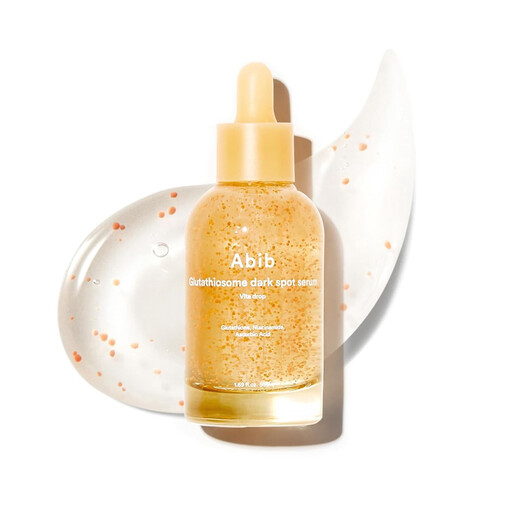
Why it suits this profile: Its light texture and 50 ml size make it an easy everyday starting point if you’re looking for a serum for dark spots without a heavy feel on your skin.
The product description mentions glutathione micro-beads and a fast-absorbing formula. If your skin is sensitive, make sure you check the full ingredients list.
50 ml size; according to the product information, the visible white micro-beads dissolve as you apply it; suitable for daily use.
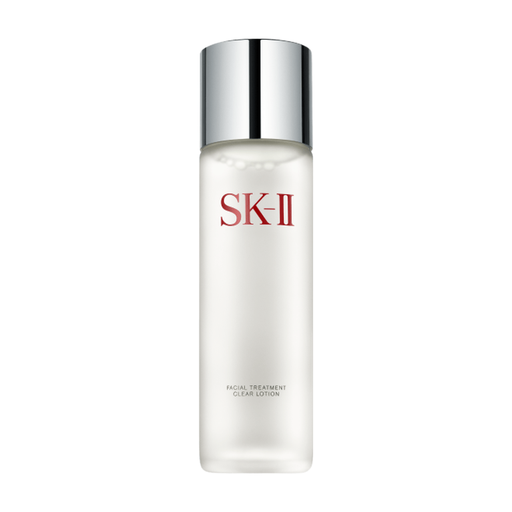
Why it suits this profile: This compact essence is a good fit if you’re looking for a well-known ferment-based formula to hydrate and leave your skin feeling more balanced.
The ingredients list names galactomyces ferment filtrate as the main ingredient. SK-II’s own information makes claims about hydration and skin renewal; consider these in light of your own skin’s needs.
30 ml size; fluid essence texture; according to the product information, suitable for normal, dry, combination and oily skin.
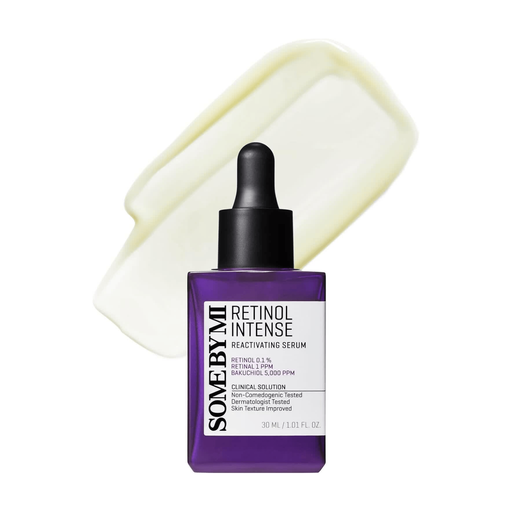
Why it suits this profile: This serum is designed for users who want to make a considered addition of retinol, retinal and bakuchiol to their evening routine.
The directions for use recommend introducing it gradually, doing a patch test and avoiding use at the same time as vitamin C, AHA, BHA or other exfoliants.
Contains 0.1% retinol, as well as retinal, bakuchiol, panthenol and ceramide NP; 30 ml size.
We’ve put together a complete, up-to-date list of products that meet these strict selection criteria and the applicable European safety requirements.
Start with a gentle cleanser, followed by a toner or essence if you’d like extra hydration. Then use one serum that suits your main concern:
Start by looking for a short ingredients list, a fragrance-free formula and hydrating ingredients such as panthenol, glycerine and ceramides. Introduce vitamin C, acids or retinol gradually, and test a small amount before using the product more widely.
It depends on the size and how often you use it. A 30 to 50 ml serum will generally last longer with daily use than a 9 ml ampoule. With vitamin C, the shelf life after opening is especially important. Always follow the information on the packaging.
This can vary depending on the formula and your skin type. It’s best to start with one active product at a time. Retinol is generally used in the evening; vitamin C can be used in the morning alongside sun protection. If irritation occurs, stop using the products for a while and simplify your routine.
