
Vandaag of morgen in huis

Kwaliteit gegarandeerd

Welkomstaanbiedingen ontgrendelen: GRATIS bezorging | Tot 80% korting | Gratis 30 dagen JoyPlus-proefperiode
Download de app
Korean skincare products are popular for their lightweight textures, extensive ingredient lists and multi-step routines. But attractive packaging doesn’t guarantee that a product will suit your skin. If you shop without a plan, you can quickly end up with three serums for the same purpose, a formula that’s too heavily fragranced or a sheet mask you only use once.
This guide will help you compare Korean cosmetics based on your skin’s needs, ingredients, ease of use and packaging information. That way, you can find products more easily for hydration, soothing, facial cleansing or a more even-looking complexion.
A complete Korean routine can include a cleanser, toner, ampoule serum, cream and sun protection. That doesn’t mean you need everything at once. When you introduce several new products, it’s difficult to tell which one feels good to use and which might be causing irritation.
It’s best to introduce one product at a time. A simple routine consists of:
You can add a sheet mask or extra ampoule later, once you’re happy with your basic routine.
Terms such as “glow”, “lifting”, “pore care” and “soothing” often describe the intended use or how a brand presents a product. They don’t guarantee a particular result for every user. A brand’s own research may measure certain figures for moisture levels or appearance under specific conditions, so always check the full product information and ingredients list.
Also be mindful of claims such as “hypoallergenic” or “for sensitive skin”. These labels don’t rule out an individual reaction. Check the INCI list and test a new product on a small area of skin first.
An ampoule kit with several small bottles is a handy way to try different formulas, but it may be less economical if you only use one version every day. A sheet mask is usually for single use. Before comparing prices, check the volume, number of masks and recommended duration of use.
Start by identifying your main concern:
An ingredient on its own doesn’t determine whether a product is right for you. The concentration, the rest of the formula and your existing routine all play a part.
As a general rule, use lightweight products before richer creams. An oil cleanser, such as Sulwhasoo Gentle Cleansing Oil, is designed to be used on a dry face and emulsified with water before rinsing off. Use an ampoule serum after cleansing and, if applicable, after toner. Apply a sheet mask to clean skin and don’t leave it on for longer than stated on the packaging.
Applying more product doesn’t automatically mean better results. Too many layers can feel sticky or pill under sun protection and make-up.
Before buying, check:
Don’t reuse a sheet mask. Stop using the product and rinse it off if you experience redness, itching, a burning sensation or swelling. If symptoms persist, it’s wiser to seek medical advice than to keep experimenting with cosmetics.
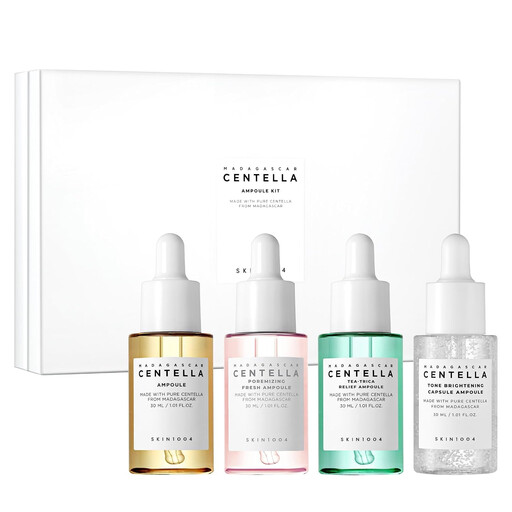
Why it suits this profile: Four 30 ml bottles let you compare different ampoule serums without having to buy several full-size products straight away. According to the product information, the set is intended for normal skin.
The four versions help you avoid buying a large size before you know which texture and formula you like. Check the ingredients of each ampoule and introduce them gradually.
30 ml per bottle; versions featuring Centella Asiatica, hyaluronic acid, tea tree or Poremizing, according to the product description.
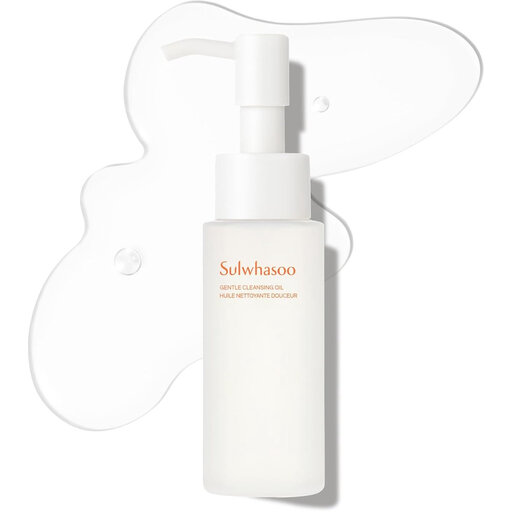
Why it suits this profile: If you value a considered cleansing step, an oil cleanser with a pump dispenser could be a good choice. According to the product information, it’s suitable for normal, dry, combination, sensitive and blemish-prone skin.
The usage instructions are clear: apply two to three pumps to dry hands, then emulsify with water. This helps you avoid using more product than you need.
50 ml; designed to remove make-up and impurities; the product details state a 12M period after opening.
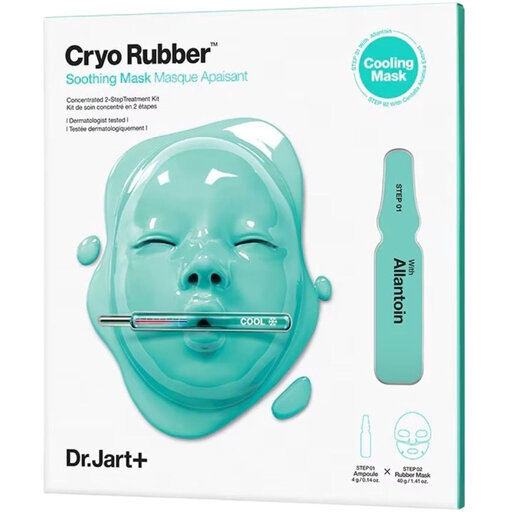
Why it suits this profile: This two-step treatment is ideal for a planned skincare session. Apply the serum first, then put on the flexible mask. The pack contains one treatment.
The two steps and single-use contents are clearly described. So you’ll know in advance that this is an added mask, not a daily replacement for your routine.
Allantoin, glycerine and Centella Asiatica are mentioned in the product description; leave on for 20 to 30 minutes, following the instructions.
We’ve put together a complete, up-to-date list of products that meet these strict selection criteria and comply with current European safety regulations.
Start with facial cleansing, a hydrating product and a cream. Then add one ampoule serum, sheet mask or other active product. Introduce new products one at a time and check how your skin reacts.
It depends on the instructions on the packaging. Many Korean face masks recommend leaving them on for around 10 to 20 minutes. Remove the mask on time and never reuse a sheet. If you have sensitive skin, it’s best to do a patch test.
Check the expiry date and the period-after-opening symbol, such as 12M. Store products in a cool, dry place away from direct sunlight. If the smell, colour or texture changes, stop using the product.
