
Same-day & Next-day Delivery

Quality Guaranteed

Unlock Your Welcome Offers: FREE Delivery | Up to 80% OFF | Free 30-day JoyPlus trial
Download the APP
Korean skincare, also known as K-beauty, is renowned for its lightweight textures, multi-step routines and ingredients such as Centella Asiatica, ginseng, niacinamide and hyaluronic acid. This wide range makes choosing appealing, but also tricky. A product with a long ingredients list isn't automatically right for your skin or your routine.
The most common pitfalls:
First, determine your daily needs:
A simple routine is usually easier to stick with: cleanse, one serum and a face cream. During the day, sunscreen should be your final step.
Don't just look at the name on the front. Check the full INCI list, the stated percentage of an active ingredient and any warnings on the packaging.
Claims such as "dermatologically tested", "vegan" or "non-comedogenic" should be read as product information from the supplier or manufacturer. They do not guarantee that irritation or breakouts won't occur for anyone.
A 100 ml pot may seem good value, but a 30 ml serum can last a long time if you only use a few drops each time. So check:
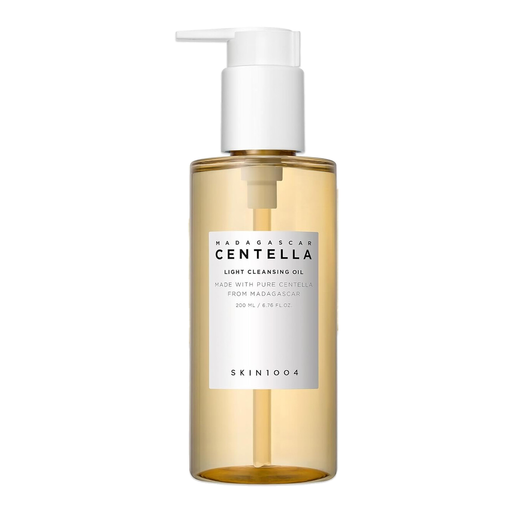
Why this suits the profile: A straightforward first step for anyone wanting to remove make-up, sunscreen and excess sebum without buying multiple cleansers straight away.
The product description mentions a lightweight texture, six plant-based oils and a 200 ml volume. Apply the product with dry hands as instructed and rinse off with lukewarm water.
200 ml; Madagascar Centella in the formula; suitable as a cleansing oil for double cleansing.

Why this suits the profile: Ideal for anyone mainly looking for a reliable hydrating step and who prefers a gel-cream that can be used during the day or as a night cream.
The ingredients list mentions five forms of hyaluronic acid and contains no ethanol according to the product information. Always check the current packaging and patch test first if you have sensitive skin.
100 ml; five types of hyaluronic acid; contains panthenol and ceramide NP among other ingredients according to the list.
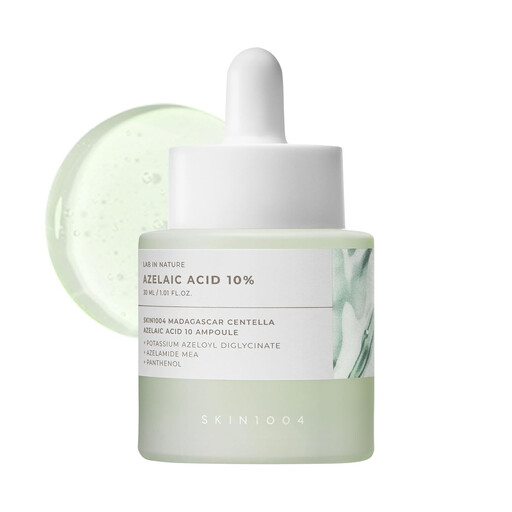
Why this suits the profile: For users who want to target acne-prone skin, visible redness or an uneven skin tone and are already accustomed to active ingredients.
According to the product information, the formula contains 10% azelaic acid and is niacinamide-free. Start by using it every other day, stop if you experience clear irritation and combine with sunscreen in the morning.
30 ml; 10% azelaic acid; Centella Asiatica; niacinamide-free formula according to the product description.
Morning
Evening
Introduce new products one at a time. This way, you'll more quickly identify which product isn't being tolerated. If you experience persistent redness, swelling, itching or a burning sensation, stop using the product and seek medical advice.
We've put together a full, up-to-date list of products that fully meet these strict selection criteria and comply with current European safety regulations.
For daily use, three to four steps are sufficient: cleanse, hydrate with a serum or essence, a face cream and sunscreen during the day. Extra products are optional and should match your skin's needs.
It can be, but check the ingredients carefully. Choose a simple formula without unnecessary fragrances where possible and patch test first. Centella Asiatica and panthenol are common in soothing products, but individual reactions are still possible.
That depends on the volume and how you use it. A 30 ml serum using two to three drops per application can last longer than a cream that's applied generously. Always check the shelf life after opening and store products in a cool, dry place away from direct sunlight.
