
Vandaag of morgen in huis

Kwaliteit gegarandeerd

Welkomstaanbiedingen ontgrendelen: GRATIS bezorging | Tot 80% korting | Gratis 30 dagen JoyPlus-proefperiode
Download de app
Korean skincare, also known as K-beauty, is renowned for its layered routines, lightweight textures and ingredients such as niacinamide, ceramides, retinal and hyaluronic acid. However, a popular ingredient isn’t automatically right for your skin. Dry skin has different needs from sensitive skin with a weakened skin barrier, while dark spots and fine lines call for a different approach.
These common pitfalls often cost shoppers more than they need to spend:
Start with the INCI list, then look at the product name. Ingredients such as glycerine, panthenol, squalane, ceramides and different forms of hyaluronic acid can help with hydration. A hyaluronic acid cream may therefore feel soothing on dry or tight-feeling skin, but it’s the overall formula that determines how rich or lightweight the product feels.
For a product targeting dark spots, look for niacinamide, alpha-arbutin or tranexamic acid. For example, the Beauty of Joseon Glow Deep Serum lists 2% alpha-arbutin and rice bran water. The AXIS-Y TXA 2.5% Intensive Brightening Cream lists 2.5% tranexamic acid and niacinamide. These are verifiable product specifications, but they don’t guarantee that dark spots will disappear.
A retinal serum or retinol product calls for a cautious start. Use it as directed on the label, for example a few evenings a week, and follow with a hydrating face cream. The celimax The Vita-A Retinal Shot lists 0.1% retinal and, according to the product information, is intended for evening use. Sunscreen is important during the day, as vitamin A ingredients can increase your skin’s sensitivity to sunlight.
Don’t start by using several strong products in one routine. Choose one goal first, such as hydration or brighter-looking skin, then see how your skin responds. Stop using the product if you experience persistent redness, itching or a burning sensation. If in doubt, consult a doctor or dermatologist.
When shopping online, check:
A cosmetic product containing PDRN, collagen or peptides may be an interesting addition to your skincare routine. According to the brands’ product descriptions, these ingredients are intended to leave skin feeling hydrated, supple or plumper. Treat these claims as product information, not as medical effects.
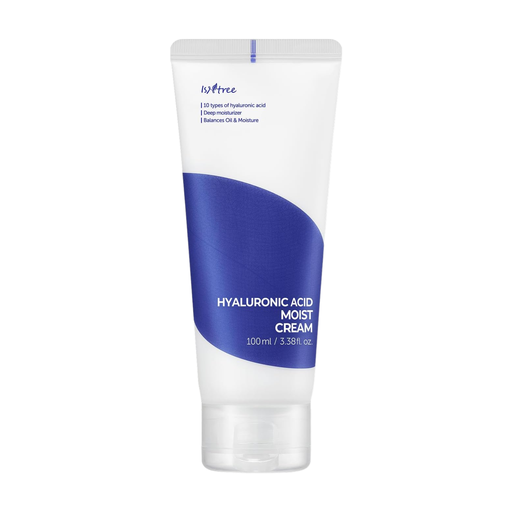
Why it suits this profile: A straightforward hydrating face cream for anyone new to Korean skincare who wants to build a basic routine first.
The product information lists five types of hyaluronic acid and an ethanol-free formula. Always check the current packaging and ingredients list, though.
100 ml size, with glycerine, ceramides, panthenol and hyaluronic acid; described as suitable for use as a daily cream or night cream.
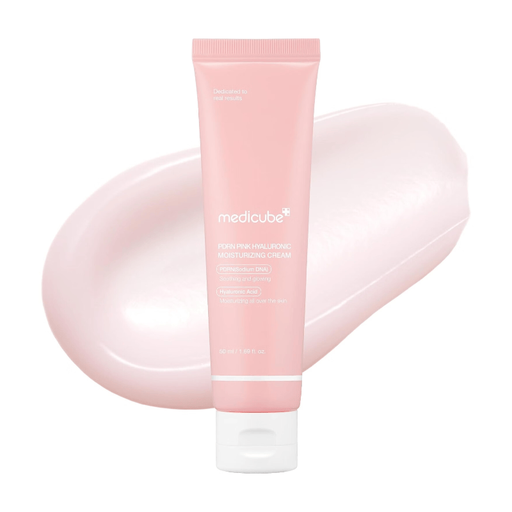
Why it suits this profile: A good choice if you’re looking for a richer cream with several moisture-binding ingredients and a focus on the skin barrier.
The ingredients list includes ceramides, cholesterol, panthenol and several forms of hyaluronic acid. The formula also contains fragrance, so those with sensitive skin may want to patch test first.
Contains sodium DNA, ceramide NP, ceramide NS and various forms of hyaluronic acid; intended for use in the morning and evening.
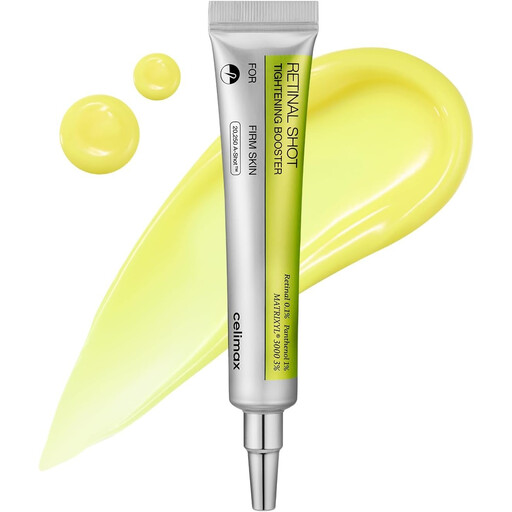
Why it suits this profile: For anyone specifically looking for a retinal serum to use in an evening routine targeting skin texture, pores and fine lines.
The product information specifies 0.1% retinal, use at night and starting every other evening. This makes the dosage and how to build up use clearer than a vague anti-ageing claim.
15 ml size, with retinal and Matrixyl 3000 according to the product description; sun protection during the day is essential.
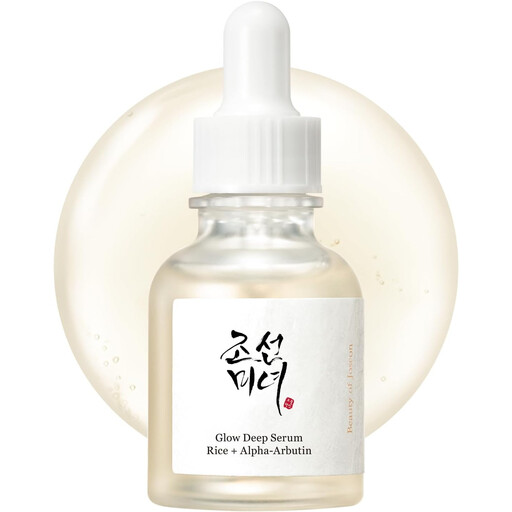
Why it suits this profile: A lightweight option if you’re looking for a serum to hydrate your skin and help it look more even-toned.
The formula lists 2% alpha-arbutin and rice bran water. The product description recommends using it in the evening, followed by a moisturiser.
30 ml serum with glycerine, niacinamide, panthenol and alpha-arbutin; according to the product information, it’s alcohol- and fragrance-free.
We’ve put together a full, up-to-date list of products that meet these strict selection criteria and current European safety requirements.
Start with a gentle cleanser, a hydrating essence or serum and a cream. Then add no more than one active product, such as a serum with alpha-arbutin or a retinal serum. Use sunscreen during the day. A routine with three products that suit your skin is often more practical than lots of layers that could irritate it.
It depends on the size, how much you use each time and how often you use it. A 15 ml serum will generally run out sooner than a 100 ml cream. Use the recommended amount and check the period-after-opening symbol. Store products in a cool, dry place away from direct sunlight, as stated on the packaging.
It can be, but don’t judge by the country of origin alone. Check for fragrance, alcohol, active ingredients and warnings. Start with a simple hydrating formula, test a small amount on a limited area of skin and introduce new products one at a time. If irritation persists, it’s best to seek professional advice.
