
Vandaag of morgen in huis

Kwaliteit gegarandeerd

Welkomstaanbiedingen ontgrendelen: GRATIS bezorging | Tot 80% korting | Gratis 30 dagen JoyPlus-proefperiode
Download de app
Korean skincare is renowned for its lightweight textures, layering approach, and ingredients such as Centella Asiatica, niacinamide and hyaluronic acid. However, a long ingredients list doesn’t automatically mean a product is right for your skin. The best choice starts with your skin’s needs, the product information, and a routine you can actually stick with.
A Korean skincare routine can involve multiple steps: cleansing oil, facial cleanser, toner, essence, serum, ampoule, moisturiser and sun protection. If you add everything at the same time, it’s often hard to know which product is causing a reaction. What’s more, several active ingredients can overlap unnecessarily.
Start with three basic steps instead:
Gradually introduce a vitamin C serum, exfoliating products or retinal.
Terms like “minimise pores”, “reduce dark spots” and “anti-ageing skincare” often describe a cosmetic goal. The outcome varies from person to person and depends on skin type, frequency of use and sun exposure. According to a brand’s own research, an ingredient may support a certain effect, but this is no guarantee for every user.
Focus on verifiable details instead:
A rich cream can be lovely for dry skin, but may feel heavy on oily or blemish-prone skin. A cleansing oil is handy for removing make-up and sunscreen, but isn’t always necessary if you’re only wearing a light day cream. For sensitive skin, simple formulas without fragrance are often a more sensible starting point, though a patch test is still advisable.
First, decide what you want to address. If your skin feels tight, focus on hydrating skincare. Look for glycerine, beta-glucan, panthenol and hyaluronic acid. For a dull complexion, niacinamide, vitamin C derivatives or alpha-arbutin are often used. For blemish-prone skin, a lightweight gel texture may be more practical than an oily cream.
Do you have sensitive skin? Don’t automatically reach for a product packed with active ingredients. A soothing ampoule with Centella Asiatica can be a simple intermediate step. Always check the packaging and stop if irritation persists.
A good facial cleanser should suit your daily use. A gel cleanser works well as a second cleansing step or for a simple evening routine. A cleansing oil is typically applied to dry skin to break down make-up and oil-soluble residue. After that, you can follow with a water-based cleanser.
Pay attention to the instructions. Massaging for too long, using hot water, or layering several strong cleansers one after another can leave your skin feeling tight. Lukewarm water and gentle patting dry are more practical.
Don’t use several products with similar goals straight away. A vitamin C serum, niacinamide serum and a product with exfoliating acids can be too much for reactive skin. Build up one product at a time.
Retinal is a form of vitamin A. The celimax product states 0.1% pure retinal and advises using it every other evening, with a small amount and sun protection the following morning. Avoid contact with the eyes and follow the product warnings. If you are pregnant, taking medication or have ongoing skin concerns, it’s wise to consult a doctor or dermatologist.
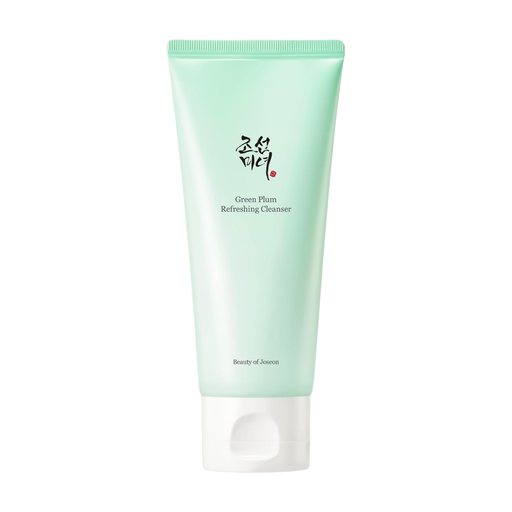
Why it fits this profile: A 100 ml gel cleanser is a straightforward starting point for anyone wanting to build the basics of Korean skincare. The product information mentions plum water, glycerine and mung bean extract.
You don’t need to buy multiple cleansers or active serums straight away. The stated formula is free from fragrance and essential oils.
Gel texture; 100 ml; according to the product page, it is vegan, cruelty-free and dermatologically tested.
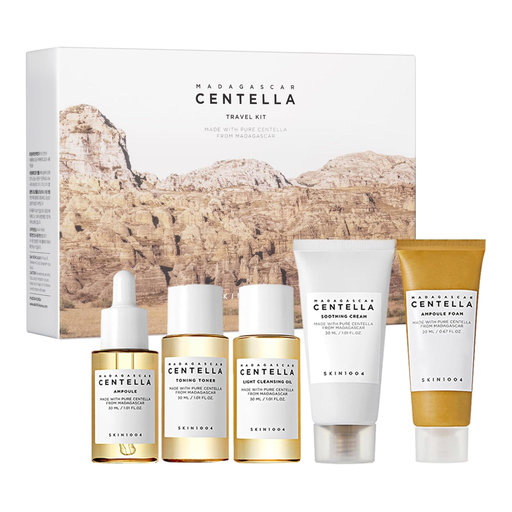
Why it fits this profile: This kit suits anyone who wants to put together a complete routine with cleansing oil, foam cleanser, toner, ampoule and cream in one set.
The individual steps and ingredients are listed, so you can better check whether the routine suits your skin.
Set of five products; total 450 ml; contains Centella Asiatica and several hydrating ingredients.
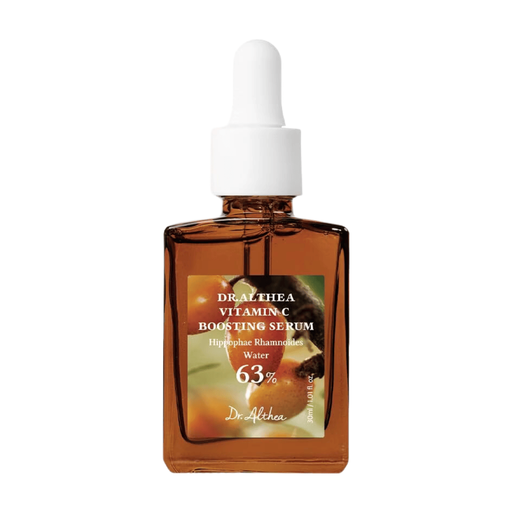
Why it fits this profile: This serum is aimed at users who, alongside hydration, want to support a more even complexion with vitamin C, niacinamide and Centella Asiatica.
The product description mentions a water-based, non-sticky texture and no artificial fragrances or colourants.
30 ml; contains niacinamide, tranexamic acid, hyaluronic acid and a vitamin C derivative according to the ingredients list.
We’ve put together a full, up-to-date list of products that fully meet these strict selection criteria and comply with current European safety regulations.
Morning: Cleanse gently or rinse with lukewarm water, apply a serum or moisturiser if you like, and finish with sun protection.
Evening: Remove make-up and sunscreen with a cleansing oil when needed. Then use a facial cleanser. Next, apply one hydrating or targeted serum and finish with a moisturiser.
Test a new product on a small area of skin first. With active ingredients, use a lower frequency than stated on the packaging if your skin reacts quickly. Check the ingredients list again with every purchase, as formulas can change.
That depends on your skin and preference. A cleanser, a hydrating product and sun protection are a practical starting point for many people. Toner, essence, ampoule and masks are optional extras, not mandatory steps.
Some products are described as fragrance-free, hypoallergenic or dermatologically tested, but that doesn’t rule out an individual reaction. Check the ingredients, do a patch test and introduce products one at a time.
Look at the expiry date and the symbol for the period after opening on the packaging. Store serums and creams in a cool, dry place away from direct sunlight, and close the packaging properly. Vitamin C and retinal products need extra care when it comes to storage and usage instructions.
