
Vandaag of morgen in huis

Kwaliteit gegarandeerd

Welkomstaanbiedingen ontgrendelen: GRATIS bezorging | Tot 80% korting | Gratis 30 dagen JoyPlus-proefperiode
Download de app
Spots, blackheads and a shiny T-zone don't automatically call for a cupboard full of products. With Korean skincare for acne, it's mainly about a logical routine, clear ingredients and good tolerance for your skin. The packaging may promise a lot, but it doesn't always tell you how to use the product in practice.
A gentle cleanser, one targeted active ingredient and a suitable moisturiser are often a clearer starting point than several exfoliants at once. Below, you'll find out what to look for in acne skincare and which popular choices suit different skin types and usage situations.
Salicylic acid, AHA, PHA, retinol and niacinamide often appear together in routines for blemish-prone skin. That doesn't mean you should use them all at the same time. A combination of several exfoliants can leave your skin feeling dry or tight. Especially if you have sensitive skin, it's wiser to add one new active product at a time.
A foaming cleanser that leaves a tight feeling might seem effective. However, that feeling doesn't prove that pores have been better cleansed. Pay attention to the instructions for use, the cleansing base and the presence of any fragrances or essential oils. A cleanser should remove make-up, sunscreen and excess sebum without leaving your skin feeling dry for long.
Terms like "acne clear", "pore refining" or "barrier repair" are no guarantee of a particular result. According to a brand's own research, such claims may support a certain effect, but they don't automatically apply to every user. So look at verifiable data, such as salicylic acid percentage, volume, ingredients list, frequency of use and warnings.
For oily or combination skin, salicylic acid skincare could be of interest. Salicylic acid is used in products that help remove sebum and impurities. The concentration and product form make a difference:
With acne-prone skin, a moisturiser is not an unnecessary step. Ingredients such as glycerine, hyaluronic acid, panthenol, ceramides and beta-glucan help your skin feel hydrated. Centella asiatica skincare is often chosen within soothing skincare for sensitive skin. According to certain brands' own research, centella asiatica can soothe the skin, but individual reactions are still possible.
Niacinamide also frequently appears in acne skincare. A niacinamide serum can fit into a routine for an uneven complexion or oily skin, but always check the full ingredients list and don't automatically combine several serums with the same active ingredients.
Where possible, buy a product whose packaging lists the full ingredients, volume, shelf life and responsible party. Product formulas can change. The information on the official EU packaging is therefore the leading reference.
When trying a new product, first do a patch test on a small area of skin. Stop if you experience persistent redness, swelling, itching or a burning sensation, and seek advice from a doctor or dermatologist for serious or recurring skin problems. Cosmetics are not a substitute for medical acne treatment.
The following selection is based on the described composition, volume and usage instructions. Each product has a different role within a skincare routine for acne-prone skin.
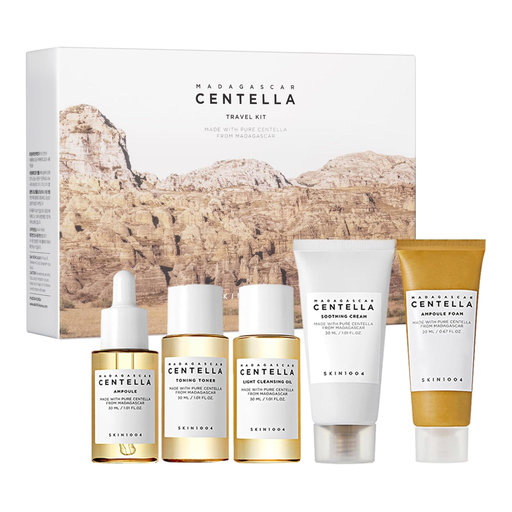
Why this suits the profile: The set contains five steps with a total of 450 ml, so you can build a Korean facial skincare routine without having to choose several individual products straight away. The routine includes a cleanser, toner, ampoule and cream.
You don't have to combine several incompatible active products yourself. Do check the ingredients: some components contain fragrance or essential oil ingredients.
Five products in one set; centella asiatica, glycerine and hyaluronic acid are listed in the described formulas.
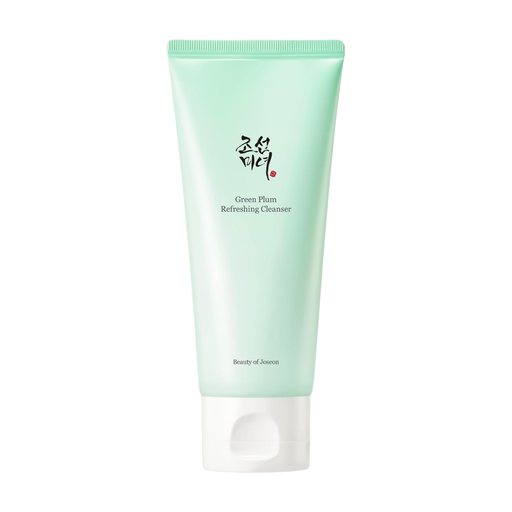
Why this suits the profile: A shopper looking primarily for a gentle daily base gets a 100 ml gel cleanser with glycerine and several plant extracts. The product information states it can be used for all skin types.
The cleanser isn't a stack of acids or retinol. This keeps the routine straightforward, although you still need to watch out for personal sensitivity.
Gel texture; 100 ml volume; according to the product information, hypoallergenic and suitable for daily cleansing.
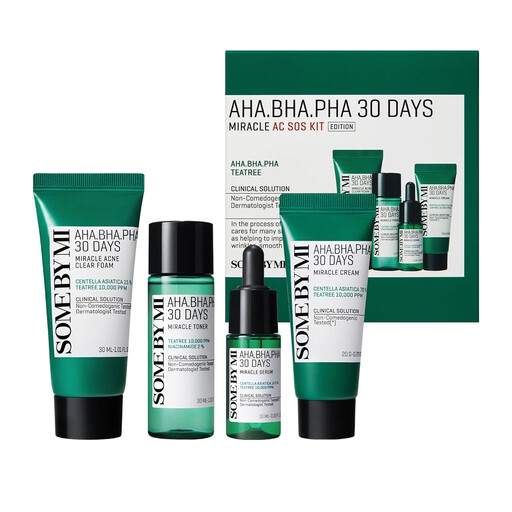
Why this suits the profile: This set combines a cleanser, toner, serum and cream for users who consciously want to use multiple steps for oily or acne-prone skin.
The set makes the included AHA, BHA and PHA steps clear. Use the exfoliating components gradually and don't add extra acids without assessing tolerance.
Four-step routine; according to the product description, contains AHA, BHA, PHA, tea tree and centella asiatica.
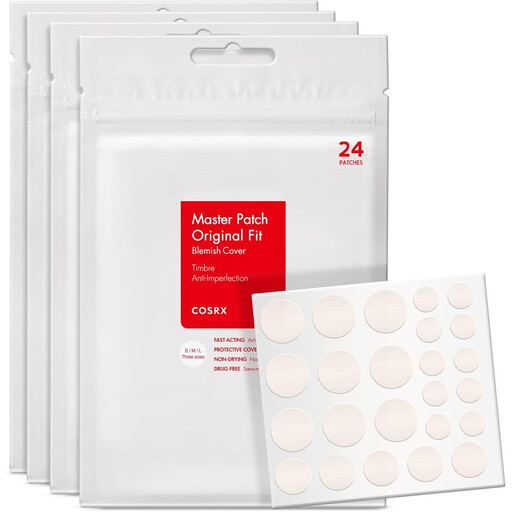
Why this suits the profile: The patches are practical for on the go, at school or at work. They are intended for use on a cleansed, dry skin and come in three sizes.
You use the product locally instead of applying a strong active ingredient over your entire face. It doesn't replace daily cleansing or moisturiser.
24 patches; three sizes; hydrocolloid A.D.F. dressing according to the product information.
We've put together a full, up-to-date list of products that fully meet these strict selection criteria and comply with current European safety regulations.
Start with a cleanser, followed by a toner or serum if needed. Finish with a moisturiser. During the day, use a sunscreen product according to the instructions on the packaging. Add exfoliants such as salicylic acid gradually and don't use several new active products on the same day.
That depends on the concentration and product form. A cleanser with salicylic acid is rinsed off; a serum stays on the skin for longer. Start with a low frequency according to the label and only increase it if your skin tolerates it well. Stop if you experience clear irritation.
Products with salicylic acid or other exfoliating ingredients are often used for skin with clogged pores. They don't guarantee that blackheads will disappear. Don't squeeze your skin hard and seek professional advice if blemishes are painful, extensive or recurring.
