
Vandaag of morgen in huis

Kwaliteit gegarandeerd

Welkomstaanbiedingen ontgrendelen: GRATIS bezorging | Tot 80% korting | Gratis 30 dagen JoyPlus-proefperiode
Download de app
An acne-prone skin doesn't automatically mean you need a cupboard full of products. Yet many teenagers and adults get tangled up in routines with too many acids, harsh cleansers or serums that promise the world. With Korean skincare for acne, the choice isn't just about popular ingredients – it's also about dosage, frequency of use and the condition of your skin barrier.
AHA, BHA, PHA, salicylic acid, niacinamide and tea tree skincare often appear together in product claims. That doesn't mean you need them all at the same time. Using multiple exfoliating products can leave your skin feeling dry or tight. Start with one product containing an active ingredient and build up gradually.
A cleanser is rinsed off after a short time. Its main job is to remove dirt, sunscreen and excess sebum. So a cleanser isn't the same as a leave-on serum. If you aggressively degrease oily skin, you can end up with an uncomfortable feeling. Choose a formula that cleans without leaving your skin feeling tight for long periods.
A product may claim to target blemishes on the packaging, but that doesn't tell you much about whether it's suitable for your skin. Always check the ingredients list, volume, usage instructions and warnings. Brand descriptions are no guarantee of a specific result. According to a brand's own research, certain ingredients may support a particular effect – but you shouldn't take that as a guaranteed personal outcome.
Salicylic acid is often used to cleanse pores and tackle congested skin. This ingredient appears, for example, in the COSRX Salicylic Acid Daily Gentle Cleanser with 0.5% salicylic acid. The Ordinary The Clear Set contains a serum with 2% salicylic acid. These are different product types with different usage moments. A serum stays on the skin and therefore requires more attention to build-up and tolerance than a cleanser.
AHA and PHA can help loosen dead skin cells on the skin's surface. Don't use acids multiple times a day straight away, and don't combine them without a plan. Caring for sensitive skin often means: fewer steps, lower frequency and plenty of hydration.
Ingredients such as glycerine, panthenol, hyaluronic acid, ceramides and centella asiatica are commonly used in hydrating and soothing formulas. They don't replace medical treatment, but they can fit into a simple skincare routine for acne.
A light gel cream can feel more comfortable on oily skin than a heavy, occlusive cream. Dry or irritated skin, on the other hand, may benefit more from a formula with ceramides and soothing ingredients. Check the full INCI list if you're sensitive to fragrance, essential oils or certain plant extracts.
Check the expiry date, batch information and period-after-opening symbol on the packaging. Product details and ingredients can change, so the packaging contains the most up-to-date information. Always test a new product on a small area of skin first. Stop if you notice clear redness, swelling, itching or a burning sensation, and consult a doctor or dermatologist if symptoms persist.
A sunscreen product should be part of any routine that includes exfoliating ingredients during the day. Retinol products, such as the SOME BY MI Retinol Intense Trial Kit, require extra caution and aren't intended as a first step for everyone. According to the product information, retinol can increase sensitivity to sunlight. Follow the instructions on the packaging.
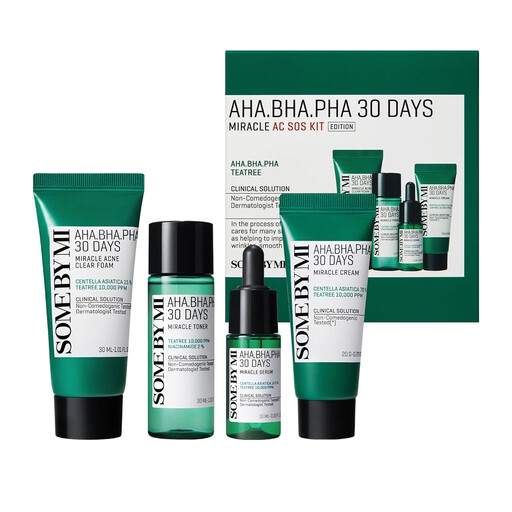
Why this fits the profile: This set includes a cleanser, toner, serum and cream. It's practical if you're looking for a complete basic routine without having to select each item separately. Just build up the exfoliating steps gradually.
The individual steps and usage instructions are described with the set. This helps you avoid randomly combining multiple separate acids.
Four products in one routine; the product description mentions AHA, BHA, PHA, tea tree and centella asiatica.
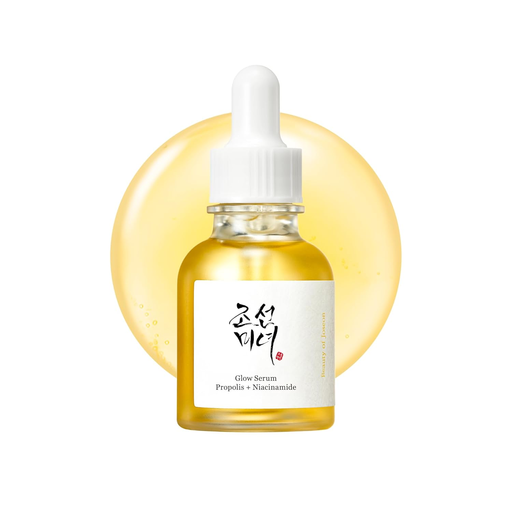
Why this fits the profile: Ideal if you want to add a light serum to a simple routine and value hydration alongside tackling blemishes.
The product description states specific percentages: 60% propolis extract and 2% niacinamide. If you have sensitivities, do check the full ingredients list.
30 ml serum; contains niacinamide, glycerine, sodium hyaluronate and tea tree extract.
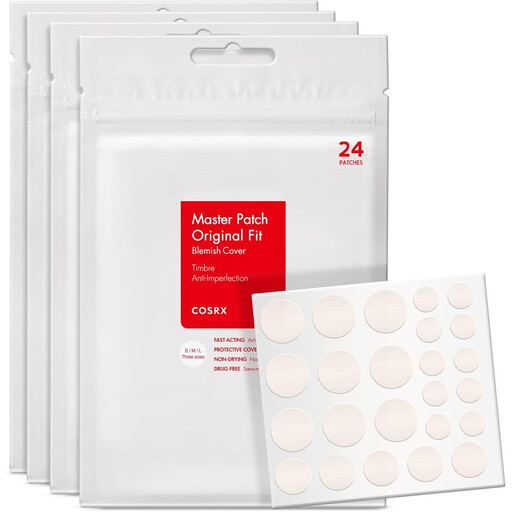
Why this fits the profile: Handy for targeted use, on the go, or when you don't need an extensive routine. Apply the patch to clean, dry skin.
You don't need to change your entire routine for spot treatment. The hydrocolloid patch is designed to cover the area; don't squeeze or pick at your skin.
24 patches in three sizes; easy to apply to cleansed, dry skin.
We've put together a full, up-to-date list of products that fully meet these strict selection criteria and comply with current European safety regulations.
A product with tea tree skincare or centella can fit into a routine where comfort matters, but even natural extracts can cause sensitivity. So always check the current packaging.
Look for light textures, a gentle cleanser and ingredients such as niacinamide or salicylic acid. Oily skin doesn't necessarily need a strong scrub or multiple acids. Choose based on the ingredients list and usage instructions.
This can work within some routines, but start gently and watch how your skin reacts. Don't use multiple exfoliating products straight away. A niacinamide serum can be used as a hydrating step, while salicylic acid is more often aimed at congested skin and excess sebum.
This varies depending on your skin, the product and how often you use it. Give a new routine time, but don't automatically increase the amount or frequency if you want quick results. For persistent or severe acne, it's wiser to seek advice from a GP or dermatologist rather than adding more and more products.
