
Vandaag of morgen in huis

Kwaliteit gegarandeerd

Welkomstaanbiedingen ontgrendelen: GRATIS bezorging | Tot 80% korting | Gratis 30 dagen JoyPlus-proefperiode
Download de app
Korean skincare, also known as K-beauty, is known for its layering, lightweight textures and ingredients such as centella asiatica, rice extract, niacinamide and hyaluronic acid. However, a long routine won’t automatically suit your skin. If you buy several serums, toners and acids without a plan, you could spend money on products you barely use or that duplicate each other unnecessarily.
The main pitfalls are easy to spot:
Check the full INCI list on the product page and packaging. A niacinamide serum, for example, may also contain hydrating ingredients, while a product with a similar marketing name may have a very different formula. According to the product information, Beauty of Joseon Glow Deep Serum contains 2% alpha-arbutin, alongside rice bran water, niacinamide and panthenol. This may make it worth considering if you have dull skin or an uneven skin tone, but it doesn’t guarantee that dark spots will disappear.
For skincare for dark spots, daily sun protection and introducing products gradually are also important. Don’t start by combining several powerful active ingredients.
Dry skin often benefits from a cleansing oil, hydrating serum and moisturiser with a more comfortable finish. Oily or combination skin may prefer a gel cleanser and a lightweight ampoule. If your skin is prone to acne, “non-comedogenic” is a useful product claim, but also check whether your skin is sensitive to fragrance, essential oils or exfoliating ingredients.
According to the product information, the Beauty of Joseon Green Plum Refreshing Cleanser has a gel texture and contains ingredients including glycerine, plum water and mung bean seed extract. A cleanser should remove make-up, sunscreen and dirt without leaving your skin feeling tight.
For sunscreen, look for SPF 50 or SPF 50+, the UVA rating and the directions for use. Beauty of Joseon Relief Sun lists SPF50+ PA+++; the Aqua-Fresh Rice + B5 variant lists SPF50+ PA++++. Apply enough and reapply after sweating, swimming or towelling yourself dry, as indicated in the product information.
Also consider the size. A 15 ml product is handy for travel, but will run out sooner than a 50 ml tube. Check the expiry date and the period-after-opening symbol on the packaging.
Start with no more than three steps: cleanse, moisturise and protect during the day. Then add a toner, ampoule or serum only if there’s a clear reason to do so. The options below are based on verifiable product features and different needs.
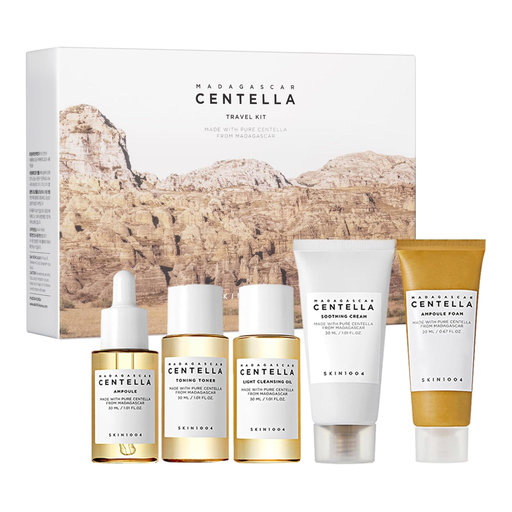
Why it suits this profile: The set contains five steps, including cleansing oil, foam cleanser, toner, ampoule and cream. It’s a practical way to build a Korean skincare routine without having to choose every item separately.
You won’t be buying separate products with overlapping functions. Start with the steps you like, and add sun protection separately.
Five products, 450 ml in total; contains ingredients including centella asiatica, niacinamide, hyaluronic acid and ceramides.
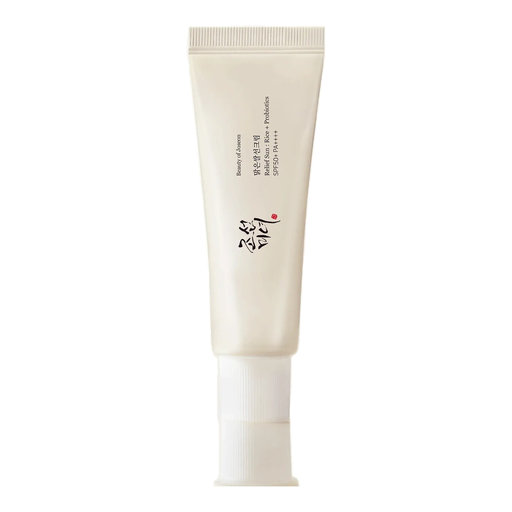
Why it suits this profile: This cream formula is designed for daily use on the face and lists SPF50+ PA+++. According to the product page, this variant is fragrance-free and contains 30% rice extract.
The SPF and UVA specifications are clearly listed. That means you can choose based on protection and ingredients, rather than just terms such as glow or glass skin.
50 ml; SPF50+ PA+++; fragrance-free formula according to the product information.
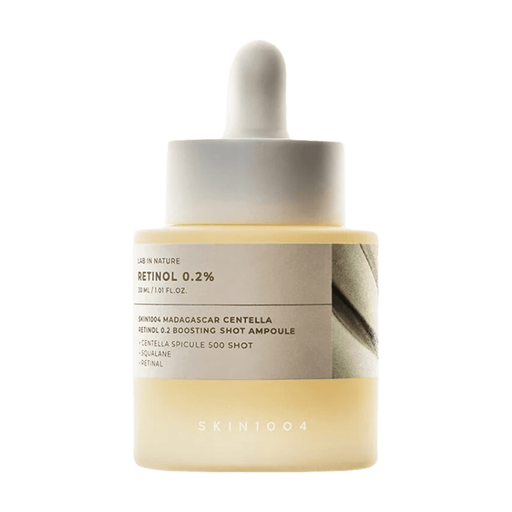
Why it suits this profile: This is a small ampoule containing retinol and retinal. The product instructions recommend using it only in the evening and introducing it gradually, making it suitable for people who like to plan their routine carefully.
The instructions recommend starting with 2–3 uses a week, doing a patch test and applying SPF 30 or higher during the day. Don’t use it on irritated skin or combine it straight away with several active products.
Contains retinol, retinal, panthenol, madecassoside and centella asiatica; compact 9 ml size.
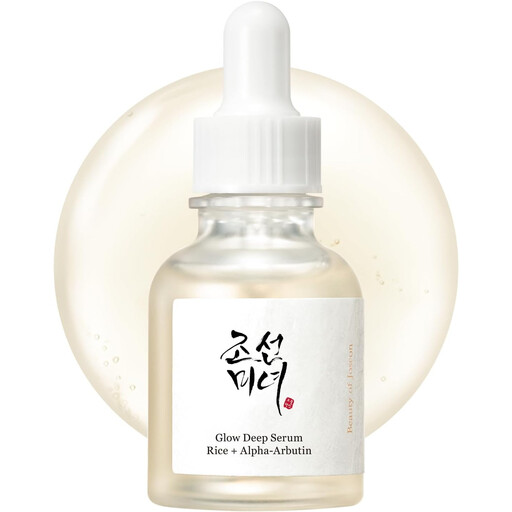
Why it suits this profile: The lightweight formula combines rice bran water with 2% alpha-arbutin and niacinamide. It’s a good option if you’re mainly looking for hydration and a more even-looking skin tone.
The key ingredients and concentration are listed. Pair it with moisturiser and SPF during the day instead of using several brightening serums at once.
30 ml; 2% alpha-arbutin; contains glycerine, panthenol and niacinamide.
Morning:
Evening:
If you have sensitive skin, do a patch test first and introduce just one new product at a time. If redness, itching, a burning sensation or swelling persists, stop using the product and seek medical advice if necessary. According to the product information provided, retinol and retinal products should not be used during pregnancy or while breastfeeding unless advised by a healthcare professional.
We’ve put together a complete, up-to-date list of products that meet these strict selection criteria and current European safety requirements.
For most people, three basic steps are enough: cleanse, moisturise and protect during the day. A toner, ampoule or serum is optional. Introduce products gradually so you can see how your skin responds.
It depends on the full ingredients list and your individual sensitivities. It’s best to keep your routine simple, check for fragrance and essential oils, and do a patch test first. Even products marketed as gentle can cause irritation.
It varies depending on the size, how often you use the product and the product type. With daily use, a 30 ml serum will generally last longer than a 9 ml ampoule. Always check the expiry date and the period-after-opening symbol on the packaging. With sunscreen, regular reapplication is more important than making a tube last as long as possible.
